Allergy Friendly Green Cleaning: 7 Easy Tips for Home
You wipe the counters, spray the sofa, and light a “fresh linen” candle. Ten minutes later, your nose runs and your eyes itch. If that sounds familiar, allergy friendly green cleaning may be the change your home needs. It means removing dust, pollen, and pet dander without adding harsh sprays or heavy scents to the air you breathe. The goal is simple: a home that looks clean and also feels easy to live in.
Many of us grew up believing that a strong smell means a clean house. Often the opposite is true. Allergens, such as dust mites, pet dander, mold, and pollen, can set off your immune system. Irritants, such as sharp fumes and strong perfumes, do not cause a true allergy, but they can still inflame your nose, throat, and eyes. The symptoms can look almost the same. Good cleaning deals with both problems, and the seven tips below show you how. If you want to dig deeper, our guide on How to Reduce Food Waste at Home (Practical Guide) covers this in more detail.
Why Chemical Irritants in Cleaners Matter
Everyday sprays, wipes, and air fresheners can release vapors that linger indoors, especially in rooms with little fresh air. The U.S. Environmental Protection Agency explains on its indoor air quality pages that household products are one source of indoor air pollution. People with asthma, hay fever, or sensitive skin often notice the effect first. You do not need to panic or throw everything away. You only need to be more selective, use less product, and open a window when you clean. Small changes add up faster than you might expect.
Seven Easy Tips for Allergy Friendly Green Cleaning
You do not have to change your whole routine in one weekend. Pick one tip, try it for two weeks, and then add another. The first few tips focus on removing dust, since dust carries many common allergens. The later ones cover products, labels, and bedding. Together, they make allergy friendly green cleaning a habit instead of a heavy chore. Start with the tip that matches your biggest problem, whether that is sneezing in the morning or a stuffy nose after cleaning day.
Tip 1: Reduce Household Dust Naturally
The best way to reduce household dust naturally is to stop it from piling up in the first place. Take shoes off at the door and put a mat outside and inside. Clear clutter from shelves and floors, because every object is a place for dust to settle. Choose washable curtains over heavy drapes, and wash them regularly. Always clean from top to bottom, so dust falls onto surfaces you have not cleaned yet. Finally, avoid dry sweeping and dry dusting, which throw particles back into the air.
Tip 2: Use Microfiber Cloths for Dusting
Feather dusters look charming, but they mostly move dust around. Microfiber cloths for dusting work better because their tiny fibers grab and hold particles. Use one slightly damp for most surfaces, and keep a dry one for electronics. Fold the cloth often so you always touch a clean side. After cleaning, wash the cloths in warm water, and skip fabric softener, because it can coat the fibers and make them less effective. Keep a small stack on hand so you never reach for a dirty one. This connects closely with another common issue — see Beginner-Friendly Trash Audit: How to Map Your Household Waste in 7 Days for more on that.
Tip 3: Pick a HEPA Vacuum for Allergies
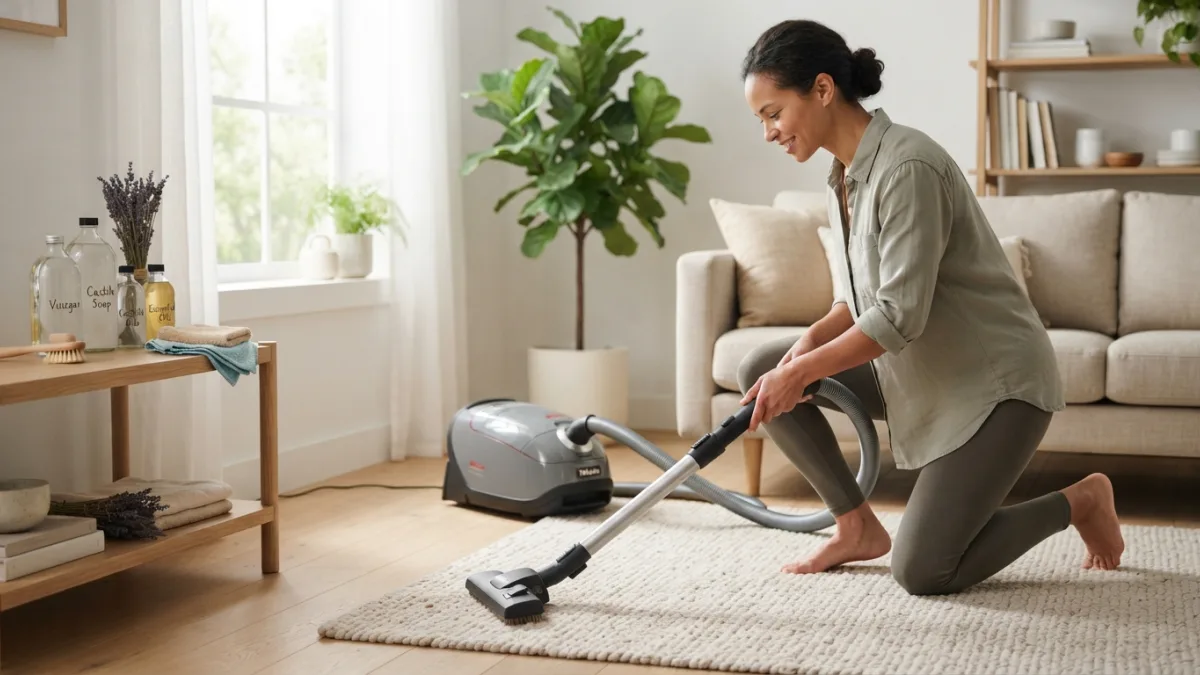
A regular vacuum can blow fine dust out through its exhaust, which defeats the purpose. A HEPA vacuum for allergies uses a high-efficiency filter, a type designed to trap very small particles; Wikipedia’s HEPA overview explains how these filters work. Look for a machine that seals well, so air passes through the filter instead of leaking out. Vacuum slowly, and go over carpets, rugs, and upholstered furniture often. Empty the bin or bag outdoors if you can. If dust triggers you badly, wear a mask or ask someone else to vacuum.
Tip 4: Choose Fragrance Free Cleaning Products
Shopping for fragrance free cleaning products is one of the quickest ways to cut irritation. Be careful with the word “unscented,” though. Some unscented products still contain chemicals that hide other smells. “Fragrance-free” is a clearer promise. Fragrance on a label can also stand for a blend of many ingredients, and companies do not always list each one. For allergy friendly green cleaning, plain and simple usually wins. This goes beyond sprays, too. Check your laundry detergent, dish soap, and hand soap, since you touch or breathe them every day.
Tip 5: Mix a Homemade Allergy Safe Cleaner
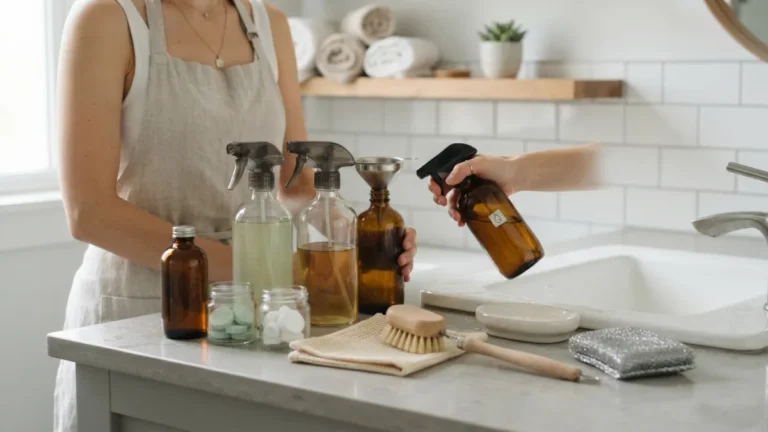
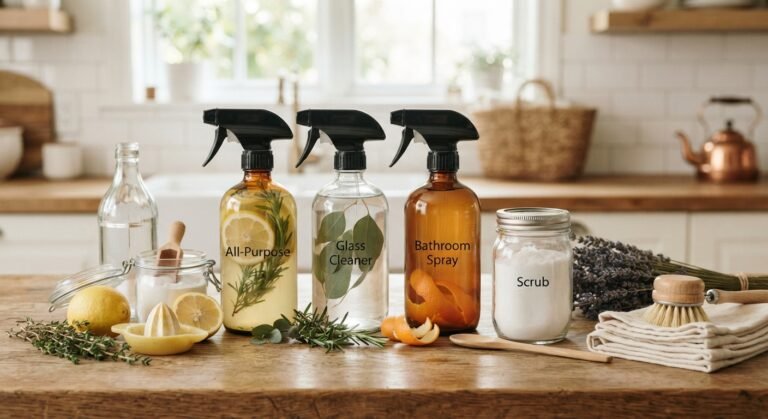
A homemade allergy safe cleaner can handle many daily jobs with just a few cheap ingredients. Still, “homemade” does not automatically mean “safe for everyone.” Some people react to the smell of vinegar, so test a small amount first. Skip essential oils, because strong plant scents can irritate sensitive airways. Never mix bleach with vinegar or ammonia, since the fumes are dangerous. Label every bottle clearly and keep them away from children. Here are three simple options:
- Glass and hard surfaces: equal parts water and white vinegar, but not on natural stone.
- Scrubbing: baking soda mixed with a little water to make a paste for sinks and tubs.
- All-purpose wipe-down: warm water with a few drops of fragrance-free dish soap.
Tip 6: Use a Cleaning Product Label Guide
Words like “green,” “natural,” and “eco” can sound reassuring, but they do not always tell you much. A simple cleaning product label guide helps you look past the front of the bottle and read what matters. Flip the product over and check the ingredients and warnings. The EPA’s Safer Choice program labels products that meet its safer-ingredient standards, which can make shopping easier. For allergy friendly green cleaning, keep this short checklist in mind: You might also find our article on Plastic-Free Pet Care: Low-Waste Ideas for Cats and Dogs helpful here.
- Look for “fragrance-free,” not only “unscented.”
- Prefer products with a clear, complete ingredient list.
- Check for warnings about ventilation or skin contact.
- Buy the smallest bottle first, so you can test your reaction.
Tip 7: Upgrade Your Dust Mite Control Bedding
Your bed is a top spot for dust mites, so dust mite control bedding deserves attention. Cover your mattress and pillows with zippered, allergen-proof encasements. Wash sheets and pillowcases every week in hot water, as hot as the care label allows, and dry them fully. Mites like warm, damp places, so keep bedroom humidity moderate and air the room out in the morning. Limit stuffed toys on the bed, or wash them regularly. If you wake up congested, this is often the best place to start.
Build a Routine That Fits Real Life
Even the best products fail without a routine you can keep. Short, regular sessions beat one exhausting deep clean. Try a simple rhythm like the one below, and adjust it for pets, kids, and the season. Allergy friendly green cleaning works best when it feels light and repeatable, not like a punishment. If pollen is high outside, keep windows closed on bad days and change clothes when you come home. Small habits, repeated often, keep allergens from building up between big cleans.
- Daily: wipe kitchen surfaces and sweep entry mats.
- Weekly: vacuum, damp-dust, and wash bedding.
- Monthly: wash curtains, clean vents, and wipe under furniture.
The Bottom Line
A healthier home does not need expensive gadgets or a cabinet full of products. It needs less dust, fewer fumes, and cleaning methods that your body can tolerate. Start with one or two of these tips, watch how you feel, and build from there. Allergy friendly green cleaning is a gradual process, and every small step helps. If your symptoms stay strong or get worse, talk to a doctor or allergist. They can help you find your triggers and make a plan that fits you.
FAQ: Allergy Friendly Green Cleaning
What is allergy friendly green cleaning?
It is a way of cleaning that removes allergens such as dust and dander while avoiding strong fragrances and harsh chemicals. It relies on simple tools like damp cloths and filtered vacuums, plus gentle, plain products. For a related walkthrough, check out Zero Waste Budget: 7 Easy Ways to Cut Trash and Save Money.
Are natural cleaners always safe for allergies?
No. A natural ingredient can still irritate you. Essential oils and even vinegar bother some people. Test any new product on a small area, and use it in a room with fresh air.
How often should I clean if I have dust allergies?
A weekly routine of vacuuming, damp dusting, and washing bedding works for most homes. Wipe high-traffic areas more often, especially if you have pets or a lot of pollen outside.
Is vinegar a good disinfectant?
Vinegar cleans some messes well, but it is not a complete disinfectant for every germ. If you need to disinfect, such as after illness, check the product label for proper use and follow the directions closely.
Do I really need a HEPA vacuum?
It is not required, but it helps. A sealed vacuum with a HEPA filter keeps fine dust from escaping back into the room, which matters most if you have asthma or strong dust allergies.