Sustainable Spring Cleaning: 7 Easy Steps for Your Home
You open the hall closet, and a coat from three winters ago lands on your head. Sound familiar? Sustainable spring cleaning gives you a smarter way to deal with that mess. You clean deeply, send less to the trash, and keep your home fresh without a cabinet full of harsh chemicals. This guide gives you seven easy steps for spring, then shows how to repeat the idea in autumn. You don’t need fancy gear or a free week. You need a simple plan, a few basic tools, and a willingness to let some things go.
Sustainable Spring Cleaning in 7 Easy Steps
Work through these steps in order, or start with the ones your home needs most. Spread them over a few weekends if that suits you. Small, steady rounds beat one exhausting marathon, and you are less likely to grab the nearest bottle of bleach when you are tired and fed up. If you want to dig deeper, our guide on Beginner-Friendly Trash Audit: How to Map Your Household Waste in 7 Days covers this in more detail.
Step 1: Make a Plan and Use What You Already Own
The greenest cleaning supply is the one already in your home. Before you buy anything, walk through each room and write down what needs attention. Then gather old cotton T-shirts for rags, a bucket, a brush, and any spray bottles you can reuse. Set up three boxes: keep, donate, and recycle or discard. This small habit keeps you from making impulse purchases halfway through the job. It also sets the tone for sustainable spring cleaning, where the goal is a healthier home and less waste, not a shelf full of new gadgets.
Step 2: Choose Eco Friendly Cleaning Products Wisely
If you do need to restock, pick eco friendly cleaning products with clear ingredient lists and little packaging. Finish what you already have first, because throwing away half-full bottles creates the very waste you want to avoid. Look for refills, concentrates, or bars and tablets that you mix at home. In the United States, the EPA’s Safer Choice program labels products made with safer chemical ingredients, which makes shopping easier. Be careful with words like “green” or “natural” on the front of a bottle. They are not always regulated, so check the label on the back.
Step 3: Mix Your Own with Simple DIY Natural Cleaner Recipes
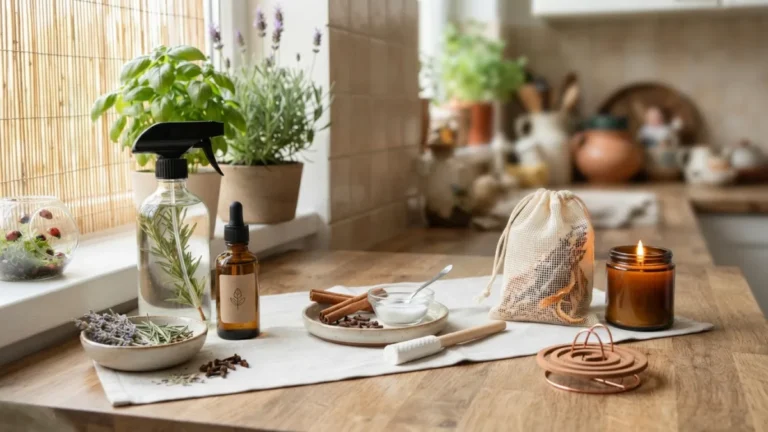
Basic diy natural cleaner recipes can handle many everyday jobs for pennies. Here are three that work in most homes:
- All-purpose spray: equal parts water and white vinegar in a spray bottle.
- Gentle scrub: baking soda mixed with a little water to make a paste, great for sinks and tubs.
- Glass cleaner: water with a small splash of white vinegar, wiped with a lint-free cloth.
Keep a few safety rules in mind. Never use vinegar on natural stone such as marble or granite, because it can damage the surface. Never mix vinegar with bleach. Label every bottle clearly, and keep them away from children and pets. This connects closely with another common issue — see Low-Waste Travel Packing List: Hand Luggage Essentials for Sustainable Trips for more on that.
Step 4: Improve Indoor Air Quality While You Clean
Spring cleaning is a good moment to improve indoor air quality, since dust and stale air build up over winter. Open windows while you work so fresh air can move through the house. Wash bedding and curtains, vacuum rugs and upholstery, and wipe surfaces with a damp cloth instead of dry dusting, which just pushes dust into the air. Check your heating and cooling filters and replace them as the manufacturer advises. For more background, the EPA offers a helpful overview of indoor air quality at home. Skip heavily scented sprays, too, since they add fragrance rather than clean air.
Step 5: Reset the Kitchen with Pantry Organization Ideas
Good pantry organization ideas start with emptying every shelf. Wipe the shelves, then check dates and toss only what is truly spoiled. Group similar foods together, such as baking items, grains, snacks, and canned goods. Place older items at the front so you use them first. Clear jars and labels help you see what you have, which means fewer duplicate purchases. If you find unopened, in-date food your family won’t eat, take it to a local food bank or community fridge. Many accept shelf-stable items, but call or check their website first to see what they need.
Step 6: Start a Seasonal Wardrobe Rotation
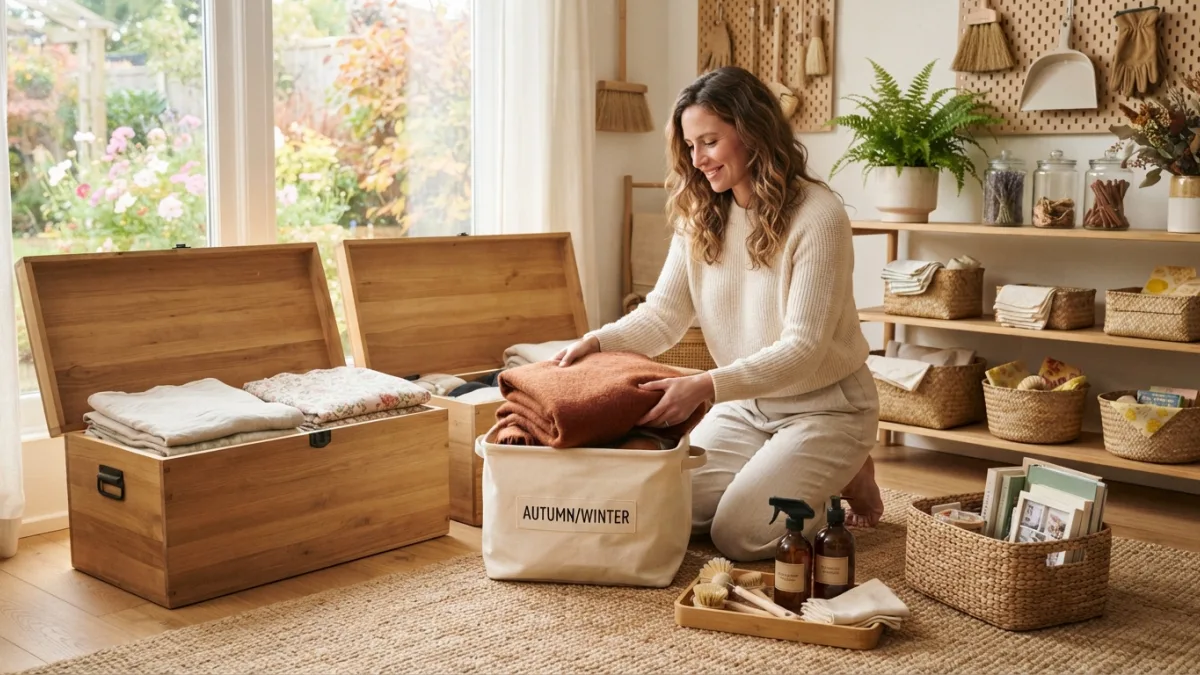
A seasonal wardrobe rotation keeps your closet useful instead of crowded. Bring out your spring and summer clothes, try them on, and be honest about what fits and what you actually wear. Mend loose buttons and small tears now rather than later. Wash everything before you store it, because stains can set over time. Pack winter coats and sweaters in breathable containers or cotton bags, and keep them somewhere cool and dry. Pieces you did not wear all season, and don’t plan to, can go to the donation box or be swapped with friends.
Step 7: Donate Unwanted Household Items the Right Way
Plan to donate unwanted household items instead of tossing them in the bin, but do it thoughtfully. Charities cannot use broken, stained, or unsafe goods, and sorting them costs volunteers time. Offer only items you would be happy to receive yourself. Call ahead to learn what your local shop accepts, as many turn away large furniture, old electronics, or baby gear. Neighborhood groups and community swap pages can also find a new home for useful things fast. Whatever cannot be reused should go to the correct recycling stream, such as electronics collection points. You might also find our article on Zero-Waste Moving Day: Packing, Unpacking, and Decluttering Without Trash Bags helpful here.
Your Autumn Declutter Checklist
An autumn declutter checklist keeps the same habit going when the weather turns. Spring is for deep cleaning. Autumn is for getting ready to spend more time indoors, so the goal shifts to making space and keeping things cozy and calm. Use this list as a starting point:
- Swap lightweight clothes for warm layers, and sort out coats, boots, and gloves.
- Clear the entryway so wet shoes and bags have a place to go.
- Check blankets and bedding, and wash anything that has been in storage.
- Test smoke and carbon monoxide alarms and replace batteries if needed.
- Sort toys, books, and paper piles before the holiday season adds more.
- Clear space in closets or storage for gifts and festive decorations.
Simple Habits to Reduce Household Waste All Year
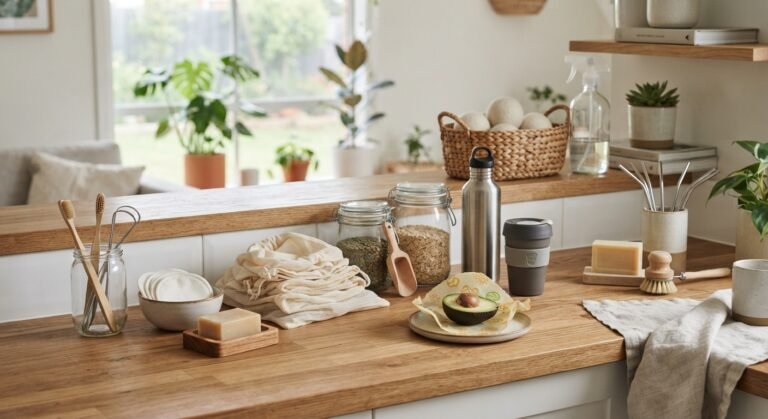
The best way to reduce household waste is to build small habits that outlast the cleaning weekend. Repair items before you replace them. Turn worn towels into cleaning cloths. Refill soap and detergent containers when you can. Before you buy something new, ask whether you can borrow it or find it secondhand. When something truly has to go, check your local rules, because recycling differs from place to place. The EPA’s recycling basics page explains the general idea of reducing, reusing, and recycling in clear terms.
Make the Reset Last
You do not need a perfect home to do this well. Pick a few steps, start with one room, and repeat the process each season. Sustainable spring cleaning works because it asks you to use less, keep what matters, and care for your space without harming it. Come autumn, you will already know what to do. The first round takes effort, but later rounds go faster because you own less and know where everything lives. That is the real reward: a home that feels lighter, cleaner, and easier to manage.
FAQ: Seasonal Home Reset
What is sustainable spring cleaning?
It means cleaning your home in ways that protect your health and the environment. You reuse what you own, choose safer products, cut waste, and give unwanted items a second life. For a related walkthrough, check out How to Reduce Food Waste at Home (Practical Guide).
How often should I do a seasonal home reset?
Twice a year works well for most people, once in spring and once in autumn. If your schedule is busy, tackle one room per weekend instead of doing everything at once.
Are homemade cleaners always safer than store-bought ones?
Not always. Simple recipes with vinegar or baking soda are gentle for many jobs, but they can damage some surfaces, and some ingredients should never be mixed. Read labels and follow safety guidance either way.
What should I do with items nobody wants?
Check local recycling and waste rules first. Some items, like electronics, batteries, or paint, need special collection points. Repair, repurpose, or recycle them before you consider throwing them away.
Where should I begin if my home feels overwhelming?
Start small with one drawer, shelf, or corner. Set a timer for 20 minutes and use the keep, donate, and recycle boxes. Finishing a small space builds momentum for the next one.