
Zero Waste Budget: 7 Easy Ways to Cut Trash and Save Money
Look in your kitchen bin tonight. You’ll probably see food scraps, snack wrappers, and packaging you paid for and used for about five minutes. A zero waste budget starts with that simple idea: every item you throw away is money you already spent. You don’t need matching glass jars or a pricey eco-store haul to change this. Often the cheapest choice is also the one that makes the least trash. This guide gives you seven practical ways to cut waste at home, focusing on what costs little, saves a lot, and fits into a busy life. Pick one or two to try this week, then build from there.
Zero waste has a reputation problem. Social media often shows it as a perfect, photo-ready lifestyle, with a year of trash squeezed into one tiny jar. Real life is messier, and that’s fine. The goal is not perfection. It’s sending less to landfill. You can read a short overview of the idea on Wikipedia’s zero waste page, but the core is easy to remember: refuse what you don’t need, reduce what you use, reuse what you can, and recycle or compost the rest. Money fits in naturally, because most of these steps mean buying less. Think of it less as a trend and more as a way to stop paying for things you’ll throw away. If you want to dig deeper, our guide on Zero-Waste Swaps for Beginners: Where to Start covers this in more detail.
Build a Zero Waste Budget Before You Buy Anything
Before you hunt for cheap zero waste swaps, take a look at what you already own and what you throw away. For one week, notice what fills your bin. Is it food? Packaging? Takeaway cups? Your own trash shows you where to start, and where your money leaks out. Then set one rule: use up what you have before you replace anything. A plastic container still works fine as a lunch box. An old T-shirt makes a great cleaning rag. Buying a new set of “eco” products can create more waste than it saves. A zero waste budget works best when you spend only on a few items that replace things you buy again and again, like paper towels, bottled water, or disposable razors.
- What do I throw away most often?
- Can I reuse or repair something I already own?
- Will this purchase replace something I keep buying?
Seven Easy Ways to Cut Trash and Save Money
1. Reduce Food Waste First
The fastest way to reduce food waste is to plan meals around what’s already in your fridge. Food scraps fill a big part of many household bins, and they sting the most, because you paid for every bite. Write a short shopping list and check your cupboards before you leave the house. Keep leftovers where you can see them. Freeze bread, cooked rice, and overripe bananas before they spoil. Turn wilted vegetables into soup and stale bread into croutons or breadcrumbs. The U.S. Environmental Protection Agency shares useful tips on reducing wasted food at home. These small habits can lower your grocery bill without any special equipment, and they start working the same day.
2. Buy in Bulk, but Only What You Use
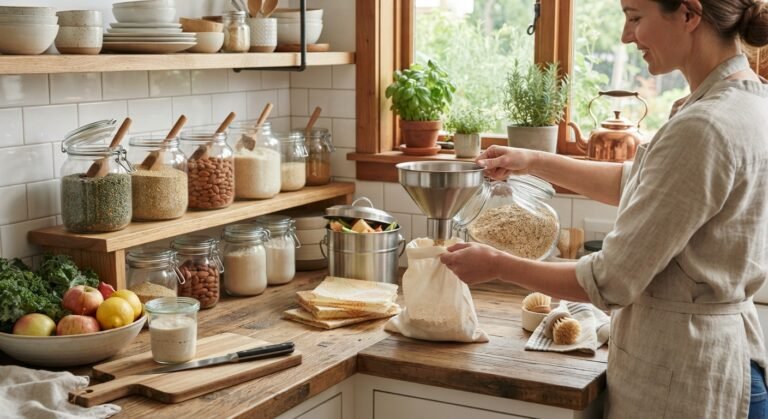
You can buy in bulk without buying too much. The trick is to choose items you use every week, such as rice, oats, beans, pasta, or flour. Bigger packs often cost less per kilo or pound, and they use less packaging overall. Check the unit price on the shelf label to compare. If a refill shop or bulk-bin store is nearby, bring your own jars, bags, or containers. If not, one large paper-packed bag still beats five small plastic ones. Skip bulk for anything that spoils fast or that you’ve never tried. A giant bag of a spice you dislike is not a bargain. If storage is tight, split a large pack with a friend or neighbor. This connects closely with another common issue — see Zero-Waste Morning Routine: 12 Everyday Swaps Before 9 a.m. for more on that.
3. Mix Your Own DIY Cleaning Products
DIY cleaning products can replace a whole shelf of bottles for very little money. White vinegar, baking soda, and a little liquid soap handle many jobs. Mix equal parts vinegar and water in a reusable spray bottle for glass and counters. Sprinkle baking soda in a sink and scrub to lift grime. Use old cotton clothes as cloths instead of paper towels. Safety matters, though. Never mix vinegar with bleach, and don’t use vinegar on natural stone like marble. Label every homemade mix and keep it away from children. You don’t have to give up every store-bought cleaner, either. Refill the same bottles again and again, and your cleaning spending drops fast.
4. Start Composting at Home
You can start composting at home even with a small space and a small budget. A simple backyard pile or bin needs little more than food scraps, dry leaves, and patience. No yard? Some cities offer drop-off points or curbside collection for food scraps, so check with your local council. Fruit and vegetable peels, coffee grounds, and eggshells are common starters. Meat and dairy often cause smells and pests in basic home piles, so most beginners leave them out. The EPA explains the basics in its guide to composting at home. Besides cutting what goes in your bin, finished compost feeds your pots and garden for free, which means you buy less fertilizer and potting soil.
5. Use These Secondhand Shopping Tips
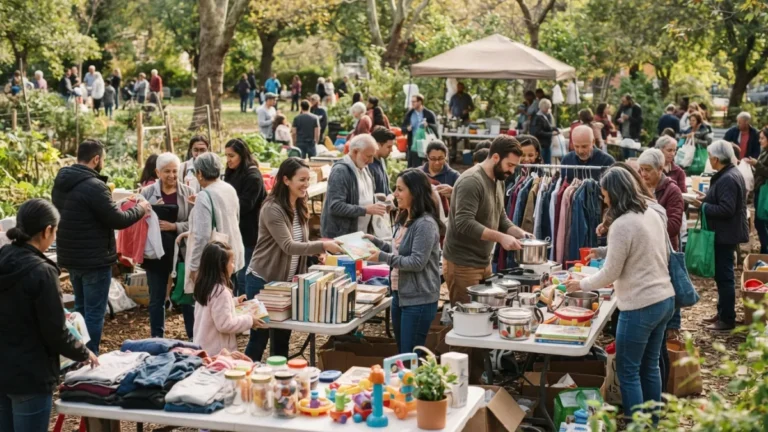
A few secondhand shopping tips can save you serious money on clothes, furniture, and tools. Start with thrift stores, charity shops, and local online swap groups. Go with a list, so you don’t fill your bag with “bargains” you don’t need. Check zips, seams, and stains on clothing, and test electronics before you pay. For furniture, solid wood often lasts longer than flat-pack and can be repaired. Don’t forget borrowing and fixing. A neighbor’s drill, a community tool library, or a ten-minute repair with a needle and thread keeps items out of the bin and cash in your pocket. When you finish with something, pass it on instead of throwing it away. You might also find our article on Zero-Waste Party Planning: Hosting Birthdays and Gatherings Without Single-Use Plastics helpful here.
6. Choose Reusable Kitchen Items Slowly
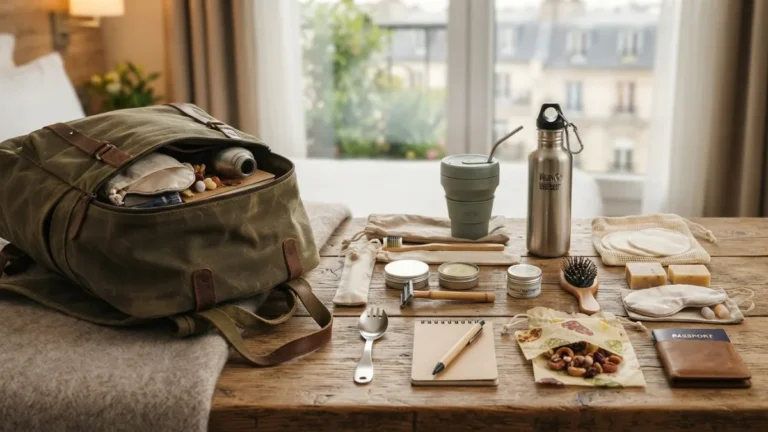
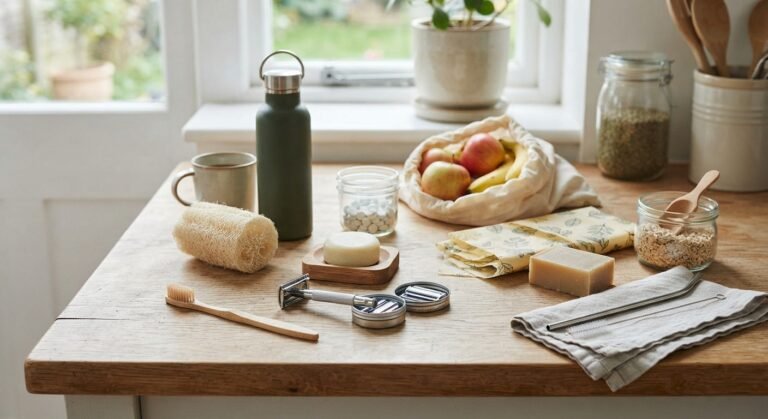
Reusable kitchen items pay for themselves when they replace things you buy again and again. Think cloth rags instead of paper towels, a refillable water bottle instead of bottled water, and glass jars or old takeaway tubs instead of plastic wrap and zip bags. Use what you already own first. Jam jars are great for leftovers and dry goods, and they’re often free. Then upgrade slowly, one item at a time, based on what you use up fastest. A sturdy tote bag kept by the door comes first for many people. Beeswax wraps or metal containers can come later. Cheap and durable beats pretty and fragile, so replace things only when they truly wear out.
7. Try Plastic Free Bathroom Swaps When Products Run Out
Plastic free bathroom swaps are easiest when you wait until a product is finished. Don’t throw away half a bottle of shampoo just to look green. When it’s empty, try a shampoo bar or plain bar soap, which often lasts a long time and comes with little or no packaging. A bamboo toothbrush, a safety razor with replaceable blades, and a washable cloth for removing makeup can cut your repeat buying. Over time, these items can cost less than disposable versions, though prices vary by brand. Look for refill options on toothpaste tablets or deodorant if they suit you. Test one swap at a time. If something doesn’t work for your hair or skin, go back and keep what does.
Keep Your Zero Waste Budget Going Without Burning Out
The best zero waste budget is the one you can stick with. Start with one habit, such as a weekly meal plan or a refillable bottle, and add another when the first feels normal. Keep a simple note of what you save, even a few coins in a jar each week. Seeing the savings builds motivation faster than guilt ever will. You will still make mistakes, buy something wrapped in plastic, or let a pepper go bad. That’s normal. What matters is the overall direction: less trash, fewer impulse buys, and more use from the things you own. Small steps repeated for months add up to a lighter bin and a heavier wallet. For a related walkthrough, check out Zero-Waste Moving Day: Packing, Unpacking, and Decluttering Without Trash Bags.
Frequently Asked Questions
Is living with less waste really cheaper?
Usually, yes, if you focus on buying less and using things longer. It can cost more if you buy a lot of new “eco” products at once. Use what you have first and replace items only when they wear out.
Where should a beginner start?
Start with food. Plan meals, make a shopping list, and use leftovers. Food habits save money quickly and need no special gear. After that, move on to one reusable swap, like a water bottle or cloth rags.
Do I need to buy special products to cut waste?
No. Jars, old towels, and containers you already own work well. Buy new items only when they replace something you keep purchasing, and choose durable ones that will last for years.
Can I reduce waste in a small apartment?
Yes. Many steps need almost no space, such as meal planning, cloth rags, refillable bottles, and secondhand shopping. For food scraps, look for a local drop-off point or a city collection program.
Are homemade cleaners safe for every surface?
No. Vinegar can damage natural stone and some other surfaces, and you should never mix it with bleach. Test a small hidden spot first, label your bottles, and keep them away from children.