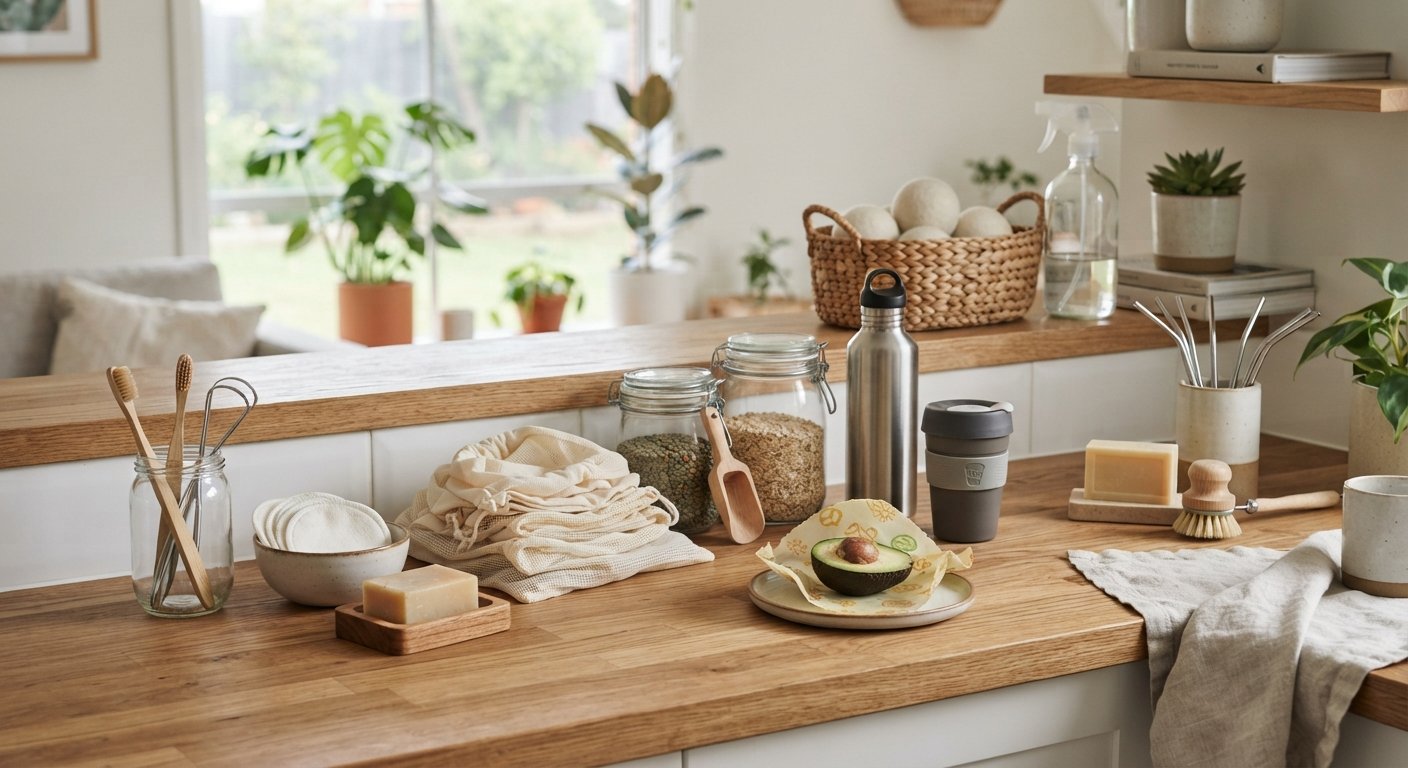
Sustainable Swaps for Every Room in Your Home
Take a walk through your house right now and count how many single-use items you’d spot within five minutes. Paper towels, plastic wrap, disposable razors, those flimsy dryer sheets that end up in a landfill after one use. Most of us didn’t choose these products because we love waste; we chose them because they were convenient, cheap, and everywhere. The good news is that swapping them out doesn’t require a full home renovation or a trip to a specialty eco-store. Small, practical changes in every room can cut down on waste, save money over time, and reduce your household’s environmental footprint without turning your daily routine upside down. This guide walks through realistic, budget-friendly swaps for the kitchen, bathroom, living room, bedroom, laundry area, and home office, so you can pick a few that fit your life and start there.
Why Small Swaps Actually Add Up
It’s easy to feel like individual choices don’t matter much when climate change and plastic pollution are discussed on such a massive scale. But household consumption habits, multiplied across millions of homes, genuinely shape demand for greener products and less wasteful packaging. When you switch from paper towels to cloth rags, you’re not single-handedly saving a forest, but you are removing hundreds of rolls from your personal waste stream over a few years. These swaps also tend to save money once you get past the initial purchase, since reusable items replace something you’d otherwise buy again and again. Think of sustainable swaps less as a moral checklist and more as a slow upgrade to a home that runs more efficiently, costs less to maintain, and produces less trash at the curb.
Kitchen: Where Waste Piles Up Fastest
The kitchen is usually the biggest offender when it comes to disposable products, mostly because food prep and cleanup happen there every single day. Start by replacing paper towels with cloth napkins or towels that can be washed and reused hundreds of times. Swap plastic wrap and single-use sandwich bags for reusable beeswax wraps or silicone food covers, which keep leftovers fresh without adding to plastic waste. A reusable water filter pitcher can cut down on bottled water purchases, and a set of glass storage containers replaces plastic containers that warp, stain, and eventually crack. Even something as small as switching from plastic dish sponges to compostable loofah or wooden brushes makes a difference over a year of daily use.
Quick Kitchen Wins
- Reusable produce bags instead of thin plastic ones at the grocery store
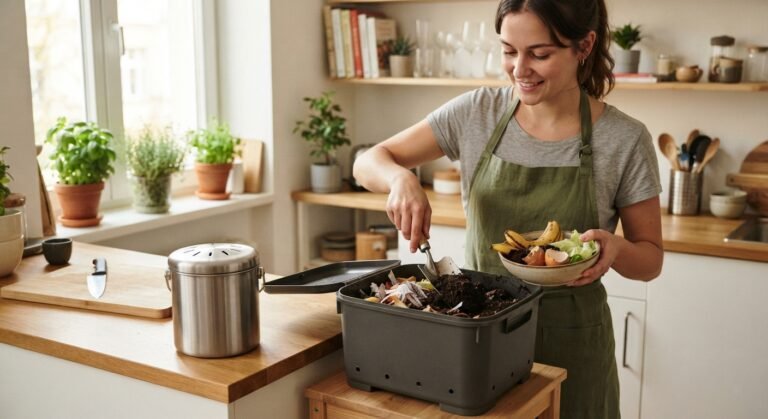
- A compost bin for food scraps instead of tossing everything in the trash
- Glass or stainless steel straws instead of plastic ones
- Refillable soap dispensers instead of buying new plastic bottles each time
Bathroom: Small Space, Big Impact
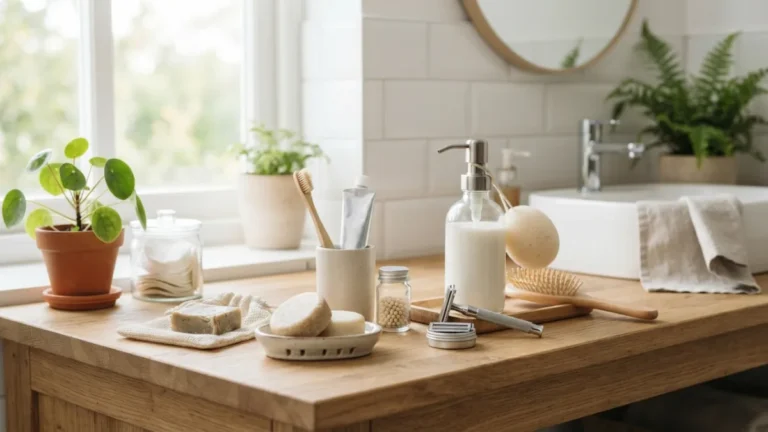
Bathrooms are full of products designed to be thrown away after minimal use, which makes them a great place to start if you’re looking for quick wins. Bar shampoo and conditioner, for example, eliminate the plastic bottles that pile up in bathroom trash bins and often last longer than their liquid counterparts. Bamboo toothbrushes break down far faster than plastic ones once discarded, and a reusable safety razor cuts down on the plastic cartridges that get replaced every few weeks. Cotton rounds can be swapped for washable, reusable pads that go straight into the laundry instead of the bin. Even toilet paper made from recycled materials or bamboo reduces the demand on virgin forests. None of these changes require sacrificing comfort or hygiene; they just shift the packaging and materials behind products you already use daily.
Living Room: Rethinking Comfort and Decor
The living room doesn’t generate as much daily waste as the kitchen or bathroom, but it’s where a lot of long-term consumption choices show up, especially around furniture and lighting. Choosing furniture made from reclaimed or responsibly sourced wood instead of particleboard pieces means less formaldehyde off-gassing and a longer product lifespan. Swapping incandescent or older fluorescent bulbs for LED lighting cuts electricity use significantly and means fewer bulb replacements over the years. When it’s time to update throw pillows, blankets, or curtains, look for organic cotton, linen, or recycled fiber fabrics instead of synthetic blends that shed microplastics in the wash. Even secondhand furniture shopping, whether through thrift stores or online marketplaces, keeps usable items out of landfills while often saving a good amount of money compared to buying new.
Bedroom: Sleep Better, Waste Less
Bedding and sleepwear are replaced more often than most people realize, which makes the bedroom a surprisingly good place for sustainable upgrades. Organic cotton or linen sheets tend to be more durable than cheap synthetic blends and avoid the pesticide-heavy farming practices linked to conventional cotton production. A wool or natural latex mattress topper can extend the life of an aging mattress instead of sending it straight to a landfill. Swapping plastic hangers for wooden ones reduces the plastic waste hiding in most closets, and choosing rechargeable batteries for alarm clocks or nightlights avoids a steady stream of single-use batteries. Even something as simple as washing sheets on a cold cycle less frequently, while still staying hygienic, reduces the energy and water your bedroom routine quietly consumes each month.
Laundry Room: Cutting Down on Chemicals and Plastic
Laundry routines involve more disposable products than most people notice until they start paying attention. Dryer sheets, for instance, are single-use items packed with synthetic fragrance and coating chemicals, but wool dryer balls do the same job for months or even years. Liquid detergent usually comes in bulky plastic jugs, while detergent sheets or powder in cardboard packaging cut down significantly on plastic waste. A drying rack, even just for a portion of your laundry, reduces dryer energy use and extends the life of clothing that would otherwise shrink or wear out faster from heat exposure. Switching to cold-water washing for most loads also saves energy without sacrificing cleanliness for the vast majority of everyday laundry.
Home Office: Digital Habits and Physical Supplies
With more people working from home, the home office has become its own source of waste, from printer paper to plastic pens. Refillable pens and pencils make a small but steady difference over years of use, and recycled paper for printing reduces demand on fresh-cut timber. Going paperless where possible, by storing documents digitally instead of printing them, cuts down on both paper and ink cartridge waste. When cartridges are necessary, refillable or recyclable ones are widely available and often cheaper than buying new printers repeatedly. Energy-efficient monitors and laptops, along with simply turning off equipment instead of leaving it on standby, also trim electricity use in a room that often runs for eight or more hours a day.
Comparing Common Sustainable Swaps
Not every swap makes sense for every household, so it helps to weigh upfront cost against long-term savings and impact. The table below breaks down some of the most popular options by room, approximate cost, and how long they typically take to pay for themselves compared to disposable alternatives.
| Room | Swap | Approximate Upfront Cost | Payback Period |
|---|---|---|---|
| Kitchen | Beeswax wraps vs. plastic wrap | Low to moderate | 3 to 6 months |
| Bathroom | Bar shampoo vs. bottled shampoo | Low | 1 to 2 months |
| Laundry | Wool dryer balls vs. dryer sheets | Low | 2 to 4 months |
| Bedroom | Organic cotton sheets vs. synthetic sheets | Moderate | 1 to 2 years (durability-based) |
| Living Room | LED bulbs vs. incandescent bulbs | Low | Under 1 year |
Looking at this kind of breakdown makes it clear that most sustainable swaps aren’t a luxury reserved for people with extra money to spend. Many of them, like dryer balls or bar shampoo, actually cost less within the first year. Others, like organic bedding or solid wood furniture, ask for a bigger investment upfront but last considerably longer than their cheaper counterparts, which means less frequent replacement and less waste overall. The key is to treat these changes as gradual upgrades rather than an all-at-once overhaul. Replace items as they wear out with more sustainable versions instead of tossing things that still work. Over a year or two, a home naturally shifts toward fewer disposables and more durable, thoughtfully chosen products, without requiring a single dramatic shopping spree.
Frequently Asked Questions
Do sustainable swaps really save money in the long run?
In most cases, yes. Items like bar soap, reusable food wraps, and dryer balls cost more upfront but last much longer than disposable versions, which lowers your overall spending within months.
Which room should I start with if I’m on a tight budget?
The bathroom is usually the easiest and cheapest place to begin, since swaps like bar shampoo, bamboo toothbrushes, and reusable cotton rounds require very little upfront investment.
Are sustainable products always more expensive than regular ones?
Not always. Some, like wool dryer balls or reusable produce bags, are cheaper over time even though they cost a bit more initially. Others, like organic linens, do carry a higher price tag but tend to last longer.
How do I know if a product is genuinely sustainable or just marketed that way?
Look for clear information about materials, sourcing, and certifications rather than vague terms like “eco-friendly” on packaging. Products made from natural, biodegradable, or recycled materials with transparent sourcing are generally a safer bet.
Can I make these changes gradually instead of all at once?
Absolutely, and that’s actually the recommended approach. Replace items as they wear out or run low rather than discarding usable products early, which keeps both your budget and your environmental impact in check.