Beginner’s Guide to Cooking from Pantry Staples to Avoid Last-Minute Takeout
It’s 7 p.m., you’re starving, and the fridge looks like a crime scene with nothing but a lonely condiment bottle and half an onion. This is the exact moment when most people give up and order takeout. But cooking from pantry staples can rescue you from that nightly scramble, turning a seemingly empty kitchen into a source of real, satisfying meals. You don’t need a fully stocked fridge or fancy ingredients to make dinner happen. You just need a handful of shelf-stable basics and a little know-how, both of which this guide will help you build from scratch.
Why Cooking from Pantry Staples Pays Off
Relying on takeout feels convenient until you add up the cost, the wait time, and the guilt of eating fried food for the third night in a row. Cooking from pantry staples flips that script by putting a meal within reach in fifteen or twenty minutes, using ingredients that already live in your cupboard. It also saves money in a way that compounds over time, since dried beans, rice, and canned tomatoes cost a fraction of what a delivery app charges for a single entrée. Beyond the savings, there’s a real confidence boost that comes from realizing you can feed yourself well without a grocery run or a menu app. That skill sticks with you long after the initial learning curve. If you want to dig deeper, our guide on One-Pot Low-Waste Meals: Simple Recipes That Use Up Leftovers covers this in more detail.
Stocking a Pantry: The Basics Every Beginner Needs
Before you can whip up dinner from thin air, you need the right ingredients sitting on your shelves. Stocking a pantry doesn’t mean buying everything at once or spending a fortune in one trip. Start small, add a few items each week, and build toward a collection that covers grains, proteins, fats, and flavor boosters. The goal is variety within simplicity, so you can mix and match rather than following one rigid recipe every time.
- Grains and starches: rice, pasta, oats, flour
- Canned goods: tomatoes, beans, chickpeas, tuna, coconut milk
- Oils and vinegars: olive oil, vegetable oil, soy sauce, vinegar
- Spices and aromatics: garlic powder, onion powder, dried herbs, chili flakes
- Long-lasting extras: peanut butter, honey, bouillon cubes, dried lentils
Easy Pantry Meals for Beginners
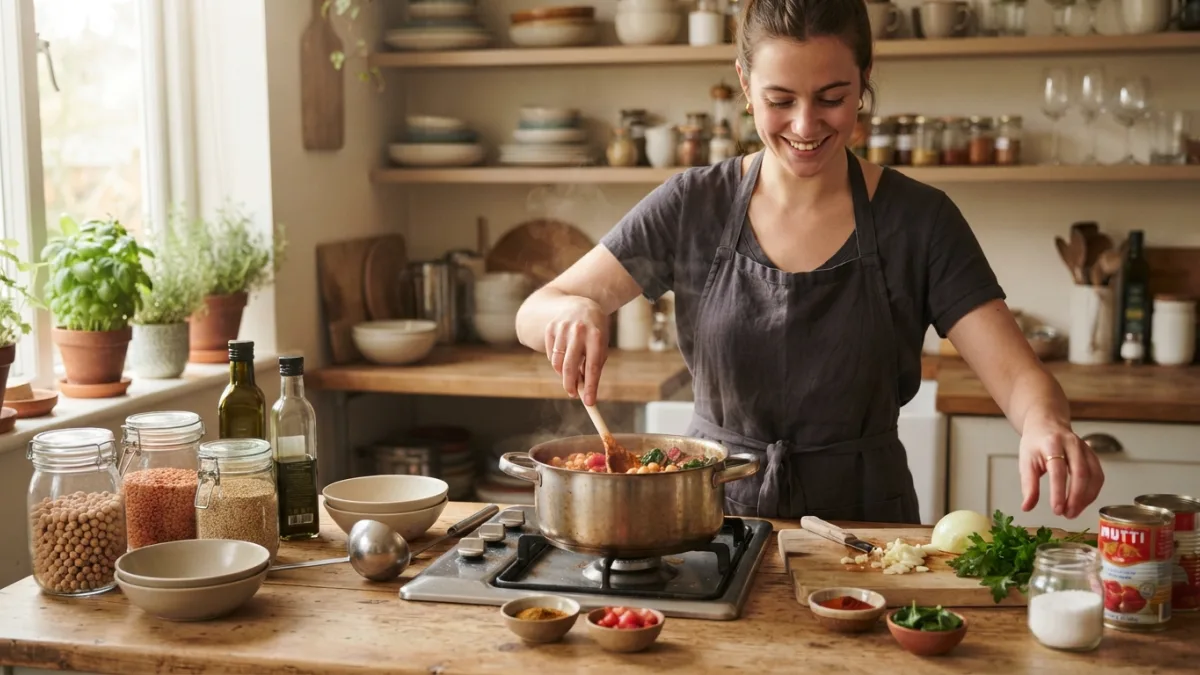
Once your shelves have a foundation, the possibilities open up quickly, even if your cooking experience is close to zero. Easy pantry meals don’t require culinary school techniques; they just require a plan and a willingness to experiment a little. A can of chickpeas tossed with olive oil, garlic powder, and canned tomatoes turns into a simple stew in under twenty minutes. Pasta with canned tuna, olive oil, and chili flakes feels like a restaurant dish despite costing pennies. Rice and beans, seasoned with cumin and a splash of vinegar, make a filling meal that keeps well as leftovers too.
- Chickpea and tomato stew over rice
- Tuna pasta with garlic and chili flakes
- Lentil soup with canned tomatoes and bouillon
- Peanut noodle bowl with soy sauce and vinegar
- Bean and cheese quesadillas using tortillas from the freezer
Meal Planning Basics That Prevent Takeout Temptation
Meal planning basics don’t need to involve color-coded spreadsheets or a Sunday-long cooking marathon. A simple weekly glance at what you already own, paired with a short list of what you might need, is often enough to avoid takeout on a busy Tuesday. Try picking three or four pantry-based meals at the start of each week and jotting them on a sticky note by the stove. This small habit removes the “what should I even make” panic that usually leads straight to a delivery app. Even a rough plan beats no plan, since it gives your brain a shortcut instead of a blank page every evening. This connects closely with another common issue — see A Beginner's Guide to Reducing Meat Without Going Vegetarian for more on that.
Building Big Flavor from Simple Ingredients
New cooks often assume that pantry meals taste bland compared to takeout, but that’s mostly a seasoning problem rather than an ingredient problem. A splash of vinegar or lemon juice can brighten a dish instantly, while a spoonful of soy sauce adds a savory depth that mimics the flavor of restaurant food. Toasting spices in a little oil before adding other ingredients wakes up their flavor in a way that dumping them in cold never will. Garlic and onion, whether fresh or powdered, form the backbone of countless cuisines and instantly make a dish taste intentional. Don’t be afraid to taste as you go and adjust salt, acid, and heat until the dish feels balanced.
Essential Techniques to Learn First
You don’t need a culinary degree to cook well, but a few basic techniques make everything easier and more consistent. Learning to properly cook rice or pasta so it isn’t mushy or undercooked solves half of your future dinner problems. Sautéing onions and garlic until fragrant, rather than burnt, builds a flavor base you’ll use again and again. Knowing how to season in layers, meaning a little salt at each stage rather than all at once, keeps dishes from tasting flat. Once these small skills click, cooking from pantry staples starts to feel less like survival mode and more like an actual hobby you enjoy.
Pantry Cooking vs Takeout: A Quick Comparison
Sometimes the numbers make the decision easier than willpower ever could. Below is a rough comparison between a typical pantry-based meal and an average takeout order, based on general estimates rather than exact prices, since costs vary by location and restaurant. You might also find our article on Zero-Waste Baking: What to Do with Extra Dough, Egg Whites, and Kitchen “Scraps” helpful here.
| Factor | Pantry Meal | Takeout Order |
|---|---|---|
| Average cost per serving | $1–$3 | $10–$18 |
| Prep and wait time | 15–25 minutes | 30–60 minutes |
| Control over ingredients | High | Low |
| Leftovers included | Often, yes | Rarely |
Common Beginner Mistakes to Avoid
Even with a full pantry, a few habits can sabotage your first attempts at home cooking. Overcomplicating the first few meals is a common trap; beginners often try recipes with ten ingredients when three would do the job just as well. Under-seasoning is another frequent issue, since many new cooks are hesitant to use enough salt, spice, or acid to make a dish actually taste like something. Skipping the “read the whole recipe first” step also causes trouble, leading to burnt garlic or undercooked rice halfway through. Lastly, buying pantry items you never actually use just clutters your shelves, so it helps to plan meals around what you already have instead of the other way around.
Keeping Your Pantry Stocked for the Long Run
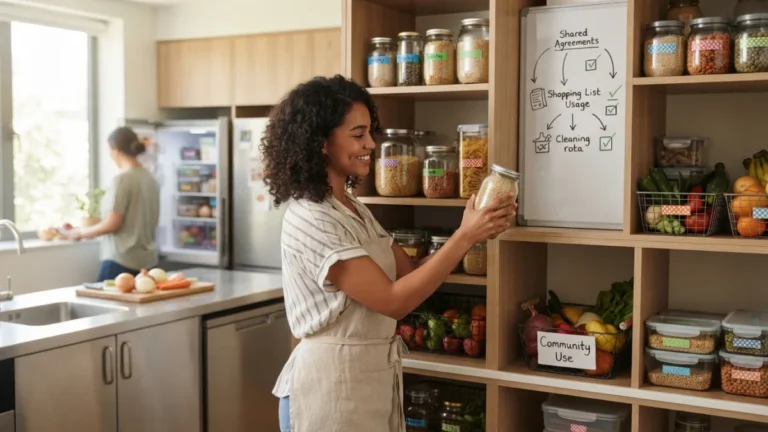
A pantry isn’t a one-time purchase; it’s more like a garden that needs regular tending to stay useful. Once a month, take a quick inventory of what’s running low and add those items to your next grocery trip instead of restocking everything at once. Rotate older cans and grains to the front so nothing sits forgotten for years, and check expiration dates every so often to avoid surprises. Buying in bulk for items you use constantly, like rice or canned tomatoes, can also stretch your budget further over time. With a little maintenance, your pantry becomes a reliable safety net rather than a random collection of forgotten ingredients.
Learning to cook from pantry staples isn’t about becoming a professional chef overnight; it’s about building a small, dependable skill set that saves you money, time, and the occasional food delivery fee. Start with a handful of basic recipes, keep your shelves stocked with versatile ingredients, and give yourself permission to experiment without expecting perfection. The more you cook, the more instinctive it becomes, until reaching for a delivery app on a busy night feels like the harder option instead of the easy one. Give it a few weeks, and you might find that your pantry has quietly become the most useful part of your kitchen. For a related walkthrough, check out How to Store Fresh Herbs and Greens So They Last Longer (Without Plastic Bags).
Frequently Asked Questions
What are the most important pantry staples for a beginner?
Rice, pasta, canned tomatoes, beans, oil, and a few basic spices like garlic powder and chili flakes cover most simple meals. These items combine easily and last a long time on the shelf.
How can I avoid takeout without spending hours meal planning?
Pick three or four simple pantry meals at the start of the week and keep a short list visible in your kitchen. This removes the decision fatigue that usually leads to ordering delivery.
Can pantry meals actually taste good, or are they always bland?
Pantry meals taste as good as any other dish when properly seasoned. Adding acid like vinegar or lemon, along with enough salt and spice, makes a huge difference in flavor.
How often should I restock my pantry?
A monthly check is usually enough for most households. Look at what’s running low, rotate older items to the front, and add only what you’ll realistically use before your next check.
Do I need special equipment to start cooking from pantry staples?
Not really. A pot, a pan, a knife, and a cutting board cover almost every basic pantry recipe. You can always add more tools later as your cooking skills grow.