Concentrated Cleaning Tablets Review: 5 Best Uses Explained
Look at the label on your all-purpose spray. A lot of what you pay for in that plastic bottle is water. Concentrated cleaning tablets turn the idea around: you buy the cleaning ingredients in a small, solid form and add the water yourself at home. The pitch is simple. You get less packaging, lighter shipping, and a tidier cabinet. But a good pitch does not guarantee a good clean, so we looked closely at what these tablets can and cannot do around the house.
What Are These Tablets, and Why Is Everyone Talking About Them?
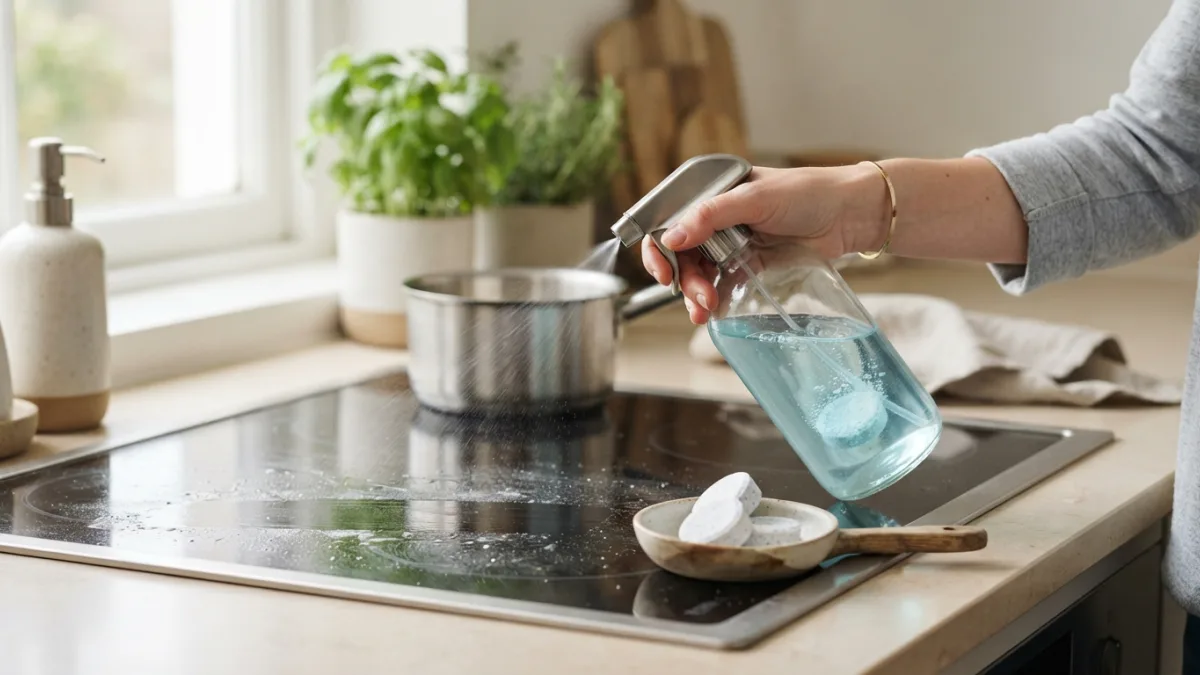
Most tablets in this category are small pressed pucks or pills that contain cleaning agents, often surfactants, which lift grease and dirt from surfaces. You drop one into a bottle of water, wait for it to break down, and you have a ready-to-use spray. Brands usually sell them in paper, cardboard, or other light packaging. Their popularity comes from two worries: the cost of constantly rebuying bottles, and the pile of plastic that comes with it. Formulas differ a lot between brands, so the label always matters more than the marketing. If you want to dig deeper, our guide on Best Refillable Cleaning Product Brands, Reviewed covers this in more detail.
Are Cleaning Tablets Effective? What to Expect
Short answer: for everyday messes, usually yes. Fingerprints, kitchen splashes, light soap film, and dusty shelves are the jobs these sprays handle best, because the tablet is designed to make a standard all-purpose solution once it is mixed. Heavy, baked-on grease, thick limescale, and deep mold are different stories. Those jobs often need a dedicated product, extra time, or some scrubbing, no matter what format the cleaner comes in. Treat tablets as a replacement for your daily spray, not for every specialist cleaner under the sink.
Cleaning Tablets vs Liquid: Where Each Wins
Cleaning tablets vs liquid is not a fight with one clear winner. Tablets win on storage, shipping weight, and the number of plastic bottles you throw away. They also last, since a solid tablet sits in a drawer without leaking. Liquids win on speed and convenience: you grab the bottle and spray, with no mixing step and no waiting. Liquids also come in more specialized versions, such as oven, tile, or stainless steel formulas. If you like grab-and-go simplicity, liquid still feels easier. If you value a small footprint, tablets make sense.
5 Best Uses for Concentrated Cleaning Tablets
Not every job suits a tablet-based spray. These five uses are where the format makes the most sense, based on how the products are designed and what they are meant to do. Always check the label of your specific brand first.
1. Kitchen Counters and Tables
This is the classic job. Crumbs, sticky rings from glasses, and light grease around the stove respond well to a general-purpose spray. Spray, wait a few seconds, and wipe with a damp cloth. Because kitchens get cleaned often, this is also where you will notice the savings in bottles. Check that the product is meant for food-contact surfaces, or rinse with water afterward if the label tells you to. Skip porous stone unless the manufacturer says it is safe.
2. Bathroom Sinks and Fixtures
Soap scum and toothpaste splashes are another good match for a regular all-purpose mix. A quick spray and wipe keeps buildup from getting stubborn. Choose a tablet made for bathrooms if one is offered, since some brands sell separate formulas. For hard-water stains or heavy scale, you may still need a descaler. Keep in mind that a mild everyday cleaner is for maintenance, not for rescuing a neglected shower. This connects closely with another common issue — see plastic free deodorant: 7 best tested brands for safe skin for more on that.
3. Glass and Mirrors
Many brands make a dedicated glass tablet, and this may be the easiest use to judge. You can see right away whether the surface is streaky or clear. Use a clean microfiber cloth and avoid direct sun, which makes any cleaner dry too fast and leave marks. If you see streaks, you probably added too much product or too little water. Follow the dilution on the package and wipe with a dry cloth afterward.
4. Mop Buckets and Floors
Floor cleaning is where a tablet can feel almost too easy. Drop one into a bucket of warm water, stir, and mop. You skip the big plastic jug and the guesswork of measuring. The key is matching the product to your floor type. Sealed tile and vinyl usually do fine, while unsealed wood and some laminates can react badly to too much water or the wrong formula. When in doubt, test a small hidden spot first.
5. Small Homes, Dorms, and Travel
Tablets shine when space is tight. A few of them take almost no room in a drawer, a suitcase, or a dorm cupboard, and you only need one empty bottle and tap water. Renters, students, and people who move often get real value here. You also avoid carrying heavy liquid refills up the stairs. Just label every bottle you fill so nobody mistakes the glass cleaner for the floor cleaner.
How to Dissolve Tablets the Right Way
Knowing how to dissolve tablets properly makes a big difference to results. Most brands follow a similar routine, but the exact steps vary, so read the package first. A typical process looks like this:
- Fill the bottle with the amount of water the brand recommends, often leaving a little room at the top.
- Drop in one tablet.
- Wait until it fully breaks down. Some dissolve in minutes, others take longer.
- Close the bottle and swirl it gently. Shaking hard can create too many bubbles.
- Label the bottle with the product name and date.
If a tablet seems stubborn, check the water temperature recommended on the label rather than guessing. You might also find our article on Best Plastic-Free Dishwashing Kits: Solid Dish Soap, Brushes, and Cloths Compared helpful here.
Choosing a Refillable Spray Bottle Cleaner Setup
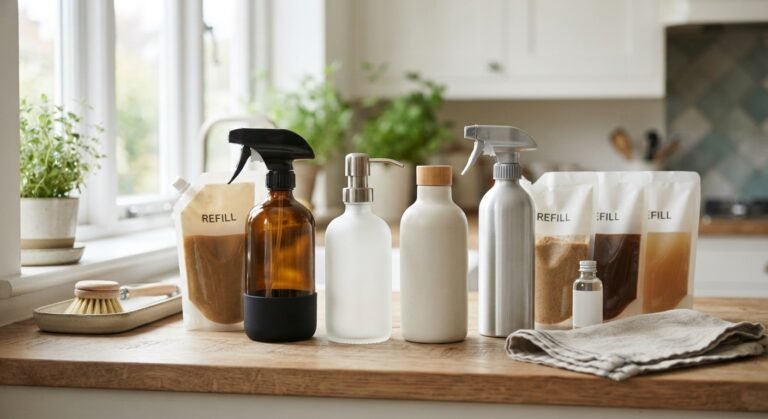
A refillable spray bottle cleaner system lives or dies on the bottle itself. Many brands sell a starter kit with a bottle, and that bottle is usually a reusable one. Look for a sturdy trigger that sprays evenly and a body that handles repeated refills. Glass bottles feel premium but can break, while thick plastic bottles last years and are lighter. Either way, the environmental benefit comes from using the same bottle again and again. Rinse it between different tablet types, and never refill an old bottle that once held an unknown chemical.
Plastic Free Cleaning Products: How Close Do Tablets Get?
Brands love to talk about plastic free cleaning products, but the details matter. A tablet itself is not plastic, and the box or pouch may be cardboard or paper. Still, you need a bottle to hold the diluted spray, and that bottle is often plastic unless you buy glass or metal. Some packaging also has thin liners or coatings. So “plastic free” may describe the product box more than your whole routine. Read the packaging description carefully and treat bold claims with a bit of healthy skepticism.
How to Reduce Plastic Waste Cleaning Your Home
If your goal is to reduce plastic waste cleaning your home, tablets are a practical first step, not a magic fix. Plastic pollution is a large and well-documented problem, and you can read a general overview on Wikipedia’s plastic pollution page. In your own home, the biggest gains come from reusing one bottle for years, buying fewer single-use items, and choosing refill formats where they exist. Tablets help with the first two. They will not solve the wider problem alone, but they cut down on the bottles you personally toss.
Tablet Cleaner Safety: Keep It Simple
Tablet cleaner safety comes down to common sense. Store tablets out of reach of children and pets, since they can look like candy or medicine. Never mix them with bleach, ammonia, or other cleaners unless the label clearly allows it, because some combinations release harmful fumes. Wear gloves if the product label suggests it, and ventilate the room. If someone swallows a tablet, contact your local poison center right away. In the US, Poison Control offers help at 1-800-222-1222. For help choosing lower-hazard products, the EPA Safer Choice program is a useful starting point.
Cleaning Tablets Cost Comparison: Do You Save Money?
A fair cleaning tablets cost comparison needs more than the price tag on the box. Start with the cost per bottle of finished spray, then compare it with your usual cleaner. Starter kits can look expensive at first because they include the bottle, while later refills often cost less per bottle. Prices vary by brand, country, and store, so do the math with your own numbers. Divide the pack price by the number of tablets, then compare that figure with the cost of the liquid you buy now. For a related walkthrough, check out Bamboo vs. Plastic Toothbrushes: Is the Switch Worth It?.
The Verdict: Worth Trying, With Realistic Expectations
So, do concentrated cleaning tablets live up to the hype? For daily surfaces, glass, and floors, they usually do the job well and cut down on bottle clutter. They are not a miracle for tough stains, and “plastic free” often needs an asterisk. Our advice is to start with one tablet type, such as an all-purpose or glass formula, and see how it fits your routine. If you like it, expand slowly. Keep your specialist cleaners for the hard jobs, and enjoy the extra space under your sink.
FAQ
Do concentrated cleaning tablets really work as well as regular sprays?
For everyday cleaning, they usually work comparably well when you dilute them correctly. For tough grease, heavy limescale, or mold, a specialist product may do better. Results depend on the brand and formula.
Are cleaning tablets truly plastic free?
Not always. The tablets and their boxes may avoid plastic, but you still need a bottle, which is often plastic. Check the packaging details of each brand.
Can I use one tablet cleaner on every surface?
No. Different tablets are made for different jobs, such as glass, bathrooms, or floors. Always read the label and test a small hidden spot on delicate surfaces like unsealed wood or natural stone.
Is it safe to keep these tablets at home?
Yes, if you store them properly. Keep them out of reach of children and pets, in their original packaging, and away from other chemicals. Never mix cleaners unless the label says it is safe.
Do concentrated cleaning tablets save money over time?
They often can, especially after you own a reusable bottle. The savings depend on the price per tablet and what you pay for liquid cleaners now, so compare the cost per finished bottle.