Bamboo vs. Plastic Toothbrushes: Is the Switch Worth It?
Every morning, millions of people reach for a toothbrush without giving it a second thought. Yet that small plastic stick has become one of the most quietly persistent sources of household waste on the planet. As more shoppers look for ways to shrink their environmental footprint, bamboo toothbrushes have popped up in bathrooms, grocery stores, and subscription boxes everywhere. But does switching from plastic to bamboo actually make a meaningful difference, or is it just another trend riding the wave of eco-friendly marketing? The answer depends on what you value most: convenience, cost, performance, or environmental impact. This article breaks down the real differences between bamboo and plastic toothbrushes so you can decide whether the switch is genuinely worth it for your lifestyle and your budget.
Why This Debate Even Exists
Plastic toothbrushes have dominated store shelves for decades because they are cheap, durable, and easy to mass-produce. The problem is what happens after they end up in the trash. Most plastic toothbrushes are made from polypropylene or nylon, materials that do not break down in landfills for centuries. Multiply that by billions of toothbrushes discarded worldwide every year, and you get a genuinely staggering waste problem. Bamboo toothbrushes emerged as a response to this issue, offering a handle made from a fast-growing, biodegradable plant instead of petroleum-based plastic. The idea sounds simple, but the reality of switching involves more than just picking a different material off the shelf. It touches on manufacturing practices, bristle materials, disposal methods, and even how effectively the brush cleans your teeth.
What Bamboo Toothbrushes Are Actually Made Of
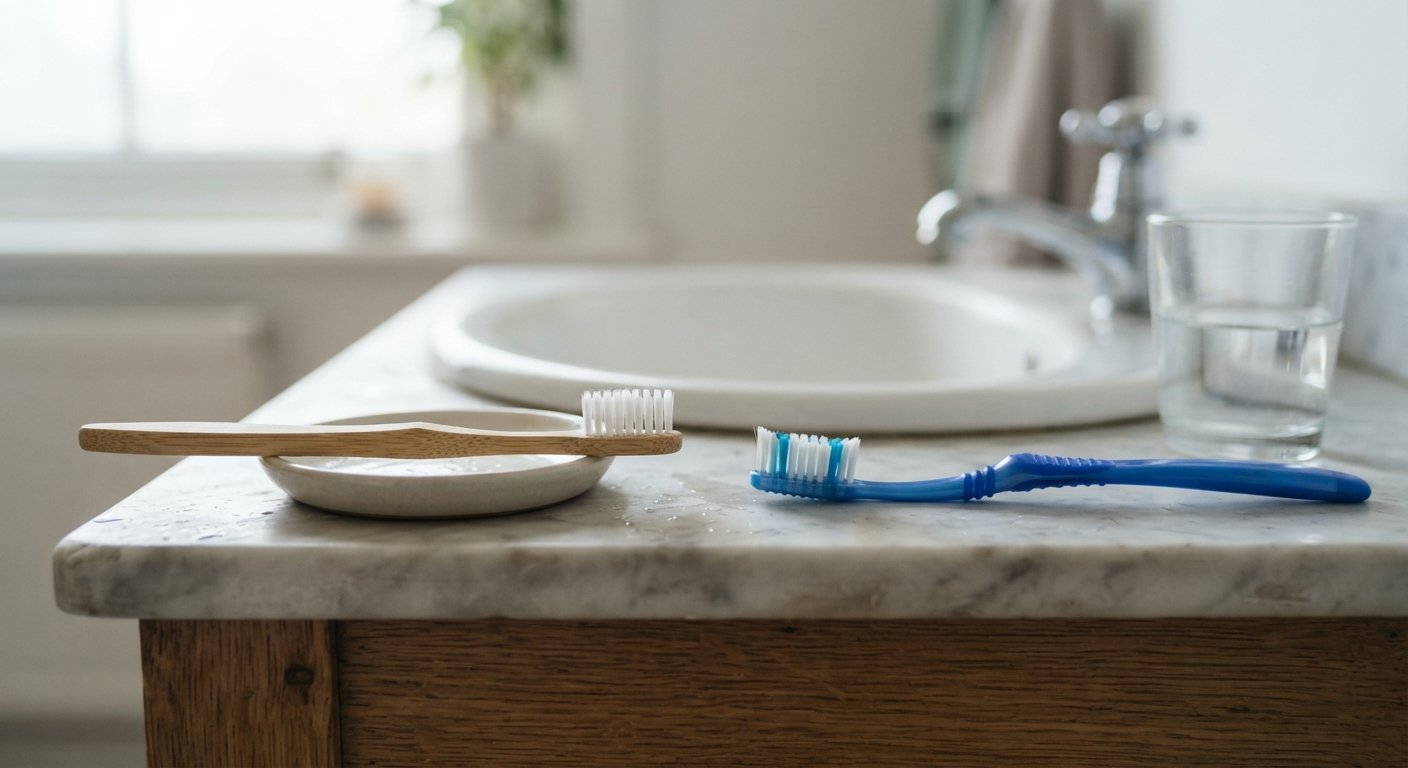
A typical bamboo toothbrush uses a solid bamboo handle, often sourced from Moso bamboo, a species known for growing quickly without needing pesticides or heavy irrigation. The handle itself is usually compostable, which sets it apart from plastic right away. However, the bristles are a different story. Most bamboo toothbrushes still use nylon bristles because natural, biodegradable bristle alternatives have not yet matched nylon’s durability and cleaning performance. Some brands are experimenting with plant-based bristles, but these are not yet widely available or as effective. This means that even a bamboo toothbrush is not 100 percent biodegradable unless you remove the bristles before disposal, a detail that often gets lost in marketing claims about being fully eco-friendly.
Comparing the Two Side by Side
Looking at both options side by side makes the tradeoffs much clearer. Neither toothbrush is perfect, and each comes with its own set of compromises depending on what matters most to you.
| Feature | Bamboo Toothbrush | Plastic Toothbrush |
|---|---|---|
| Handle Material | Biodegradable bamboo | Petroleum-based plastic |
| Bristles | Usually nylon (non-biodegradable) | Nylon (non-biodegradable) |
| Average Cost | Slightly higher per unit | Lower per unit |
| Lifespan | Similar to plastic, around 3 months | Around 3 months |
| End-of-Life Disposal | Compostable handle, remove bristles first | Goes to landfill indefinitely |
| Manufacturing Footprint | Lower resource use to grow bamboo | Relies on fossil fuel extraction |
The Environmental Case for Bamboo
Bamboo grows remarkably fast compared to trees typically used for wood products, with some species capable of growing several feet in a single day. This rapid growth means bamboo farms can be harvested repeatedly without the long regrowth periods required for hardwood forests. Bamboo also requires little to no pesticide or fertilizer use, which reduces its environmental burden even further. When a bamboo toothbrush handle ends up in a compost bin instead of a landfill, it breaks down naturally over time rather than sitting intact for hundreds of years. This is the strongest argument in favor of switching: even if the bristles still need special handling, the bulk of the toothbrush no longer contributes to permanent plastic waste. For anyone trying to reduce their personal environmental impact, this is a meaningful step in the right direction.
Where Plastic Still Has the Edge
Plastic toothbrushes are not without their advantages, and dismissing them entirely ignores some practical realities. They are typically cheaper, especially when bought in bulk multipacks, which matters for families or budget-conscious shoppers. Plastic also tends to feel more consistent in texture and grip, since manufacturers have spent decades refining ergonomic designs. Some people find bamboo handles slightly more prone to absorbing moisture over time, which can lead to a rougher texture or even mold growth if the brush is not dried properly between uses. Electric toothbrush users also face a limitation, since most bamboo options are designed for manual brushing only. If convenience, price, and long-term texture consistency are your top priorities, plastic still holds a practical advantage that shouldn’t be dismissed just because it is less trendy.
Does Bamboo Clean Your Teeth Just as Well?
This is one of the most common questions people ask before switching, and the honest answer is yes, for the most part. Since both bamboo and plastic toothbrushes typically use the same nylon bristles, the actual cleaning performance is nearly identical. Dentists generally agree that the material of the handle has no bearing on how effectively plaque and bacteria are removed from your teeth. What matters more is brushing technique, bristle softness, and how often you replace your toothbrush. So if you are worried that switching to bamboo means sacrificing your oral hygiene, you can set that concern aside. The real differences between the two options lie in sustainability and cost, not in dental performance.
The Hidden Costs of Manufacturing and Shipping
One detail that often gets overlooked in this debate is where these products come from and how they get to your bathroom. Many bamboo toothbrushes are manufactured overseas and shipped long distances, which adds a carbon cost that can offset some of the environmental benefits of the material itself. Plastic toothbrushes, by contrast, are often produced closer to where they are sold, though this varies widely by brand and region. Buying in bulk, choosing brands with transparent supply chains, or looking for locally produced options can help reduce this hidden environmental cost regardless of which material you choose. It is a reminder that sustainability is rarely a simple black-and-white decision, and the full picture involves more than just the material sitting in your hand each morning.
Making the Switch: Practical Tips
If you are ready to try a bamboo toothbrush, a few small habits can help you get the most out of the switch. Consider these tips before making the change:
- Store your bamboo toothbrush in a dry, upright position to prevent moisture buildup and mold growth.
- Look for brands that use charcoal-infused or naturally antibacterial bristles for added freshness.
- Remove the bristles with pliers before composting the handle, since most municipal composting systems cannot break down nylon.
- Buy from companies that disclose their sourcing and manufacturing locations for better transparency.
- Replace your toothbrush every three months regardless of material, since worn bristles lose their cleaning effectiveness.
These small adjustments make the transition smoother and ensure you are actually getting the environmental benefits you are hoping for.
So, Is the Switch Worth It?
The answer really depends on your priorities. If reducing plastic waste and supporting more sustainable materials matters to you, switching to bamboo is a small but genuine step forward, even with the caveat of nylon bristles. If cost and convenience are your main concerns, plastic remains a perfectly reasonable choice, especially since both options clean teeth equally well. The bigger picture suggests that no single toothbrush choice will solve the plastic waste crisis on its own, but individual choices do add up over time, especially when multiplied across millions of households. For many people, the switch to bamboo feels like a low-effort, low-risk way to align a daily habit with broader environmental values, without sacrificing anything in terms of oral health.
Frequently Asked Questions
Are bamboo toothbrushes actually better for the environment than plastic ones?
Yes, in most cases. The bamboo handle is biodegradable and grows from a renewable resource, while plastic handles persist in landfills for centuries. The main caveat is that most bamboo toothbrushes still use nylon bristles, which are not biodegradable and need to be removed before composting the handle.
Do bamboo toothbrushes clean teeth as effectively as plastic ones?
Yes. Both types typically use the same nylon bristles, so cleaning performance is essentially the same. What matters most for oral health is brushing technique and replacing your toothbrush regularly, not the handle material.
Are bamboo toothbrushes more expensive than plastic ones?
Generally, yes, bamboo toothbrushes cost slightly more per unit than basic plastic multipacks. However, the price difference is often small, and many people feel the environmental tradeoff is worth the extra cost.
Can I compost a bamboo toothbrush at home?
You can compost the bamboo handle, but you should remove the bristles first using pliers, since most bristles are made of nylon and will not break down. Some municipal composting programs may not accept the whole brush, so check local guidelines.
How long does a bamboo toothbrush last compared to plastic?
Both types generally last about three months with regular use, which is also the timeframe dentists recommend for replacement. Neither material offers a significant durability advantage over the other.