Best Reusable Food Storage Alternatives to Plastic Wrap
That box of plastic wrap in your kitchen drawer has a dirty secret. Most plastic cling film can’t be recycled through curbside programs, and it often ends up sitting in landfills for centuries before it fully breaks down. Meanwhile, the average household goes through dozens of rolls each year, tossing sheet after sheet into the trash after a single use. The good news? Kitchens around the world are shifting toward smarter, longer-lasting alternatives that keep food fresh without the environmental guilt trip. Whether you’re motivated by sustainability, cost savings, or just tired of fighting with a roll that sticks to itself, there’s a reusable option out there that fits your lifestyle. Let’s look at the best swaps available right now and what makes each one worth trying.
Why Ditch Plastic Wrap in the First Place?
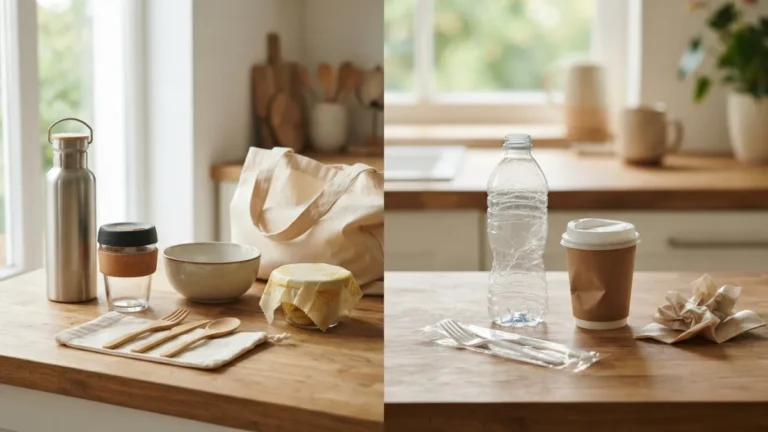
Plastic wrap is convenient, sure, but convenience comes at a cost. It’s typically made from polyvinyl chloride or low-density polyethylene, materials derived from fossil fuels that don’t biodegrade in any meaningful timeframe. Some studies have raised concerns about chemicals leaching from plastic film into food, especially when it touches fatty or hot items. Beyond the health angle, there’s the simple math of waste: a single-use product that gets used once and discarded adds up fast over months and years. Reusable alternatives flip that equation. You buy them once, or make them yourself, and they can last for months or even years with proper care. Many people who make the switch report saving money over time, since they’re no longer restocking rolls every few weeks. It’s a small change, but one that adds up both for your wallet and for the planet.
Beeswax Wraps: The Popular Favorite
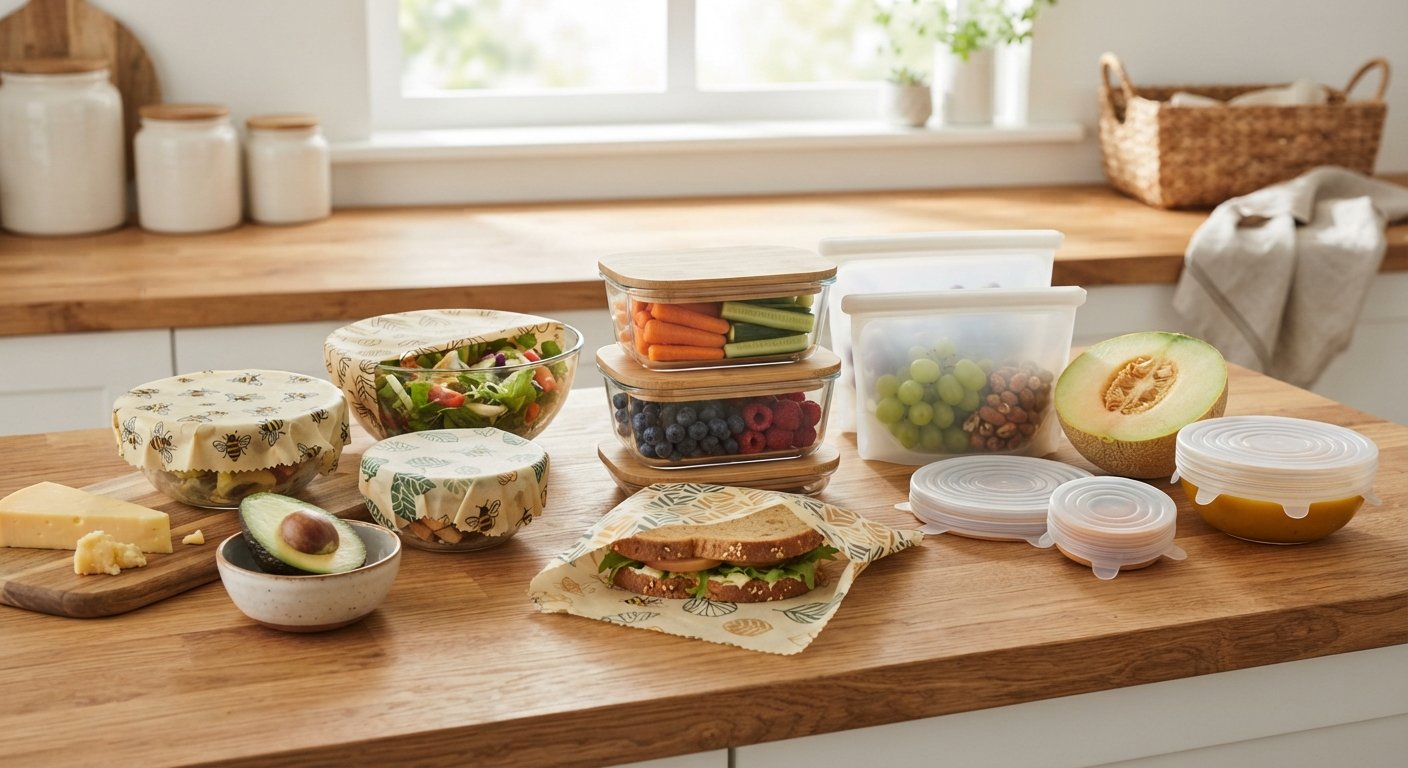
Beeswax wraps have become the poster child of the zero-waste kitchen movement, and it’s easy to see why. These are pieces of cotton fabric coated in a blend of beeswax, tree resin, and jojoba or coconut oil, which gives them a natural stickiness that lets them mold around bowls, fruit, or sandwich halves. The warmth of your hands softens the wax just enough to create a seal, and the wrap holds its shape once it cools. They work best for dry to moderately moist foods like cheese, bread, vegetables, and cut fruit, though they’re not ideal for raw meat or very wet leftovers. Cleaning them is simple: a quick rinse in cool water with a bit of mild soap does the job, since hot water can melt the coating. With proper care, a single wrap can last around a year before it needs re-waxing or replacing, making it one of the more budget-friendly options on this list.
Vegan Wax Wrap Alternatives
If you’d rather skip the beeswax, plant-based versions have entered the market using candelilla wax or soy wax instead. These vegan wraps function almost identically to their beeswax counterparts, offering the same moldable, reusable coating without any animal-derived ingredients. They tend to cost a bit more, but for anyone following a vegan lifestyle or simply wanting to avoid bee products, they’re a solid substitute. Performance-wise, most reviewers say the difference is barely noticeable, though vegan wax can sometimes feel slightly less tacky. Either version, beeswax or plant-based, represents a genuine upgrade from single-use plastic in terms of both function and footprint.
Silicone Stretch Lids and Covers
Silicone stretch lids look like colorful, oversized rubber bands but function as a stretchy cap that fits snugly over bowls, jars, cut fruit, and cans of all shapes. Unlike wax wraps, these can go straight into the dishwasher, tolerate the microwave, and even survive the freezer without cracking. They come in various sizes, so most kitchens end up with a small collection to cover everything from a coffee mug to a large mixing bowl. Because silicone is non-porous, it doesn’t absorb odors or stains the way fabric-based wraps sometimes can, which makes it a great choice for storing things like leftover curry or garlic-heavy dishes. The main downside is that stretch lids only work on round or oval openings; they can’t wrap around irregular shapes the way a flexible wax cloth can. Still, for everyday bowl and jar coverage, they’re hard to beat for convenience and durability, often lasting for several years of regular use.
Reusable Silicone Bags for Freezer and Pantry Storage
Reusable silicone bags have largely replaced single-use plastic zip bags in many eco-conscious kitchens. Brands in this space produce bags in a range of sizes, from small snack pouches to large gallon-equivalent bags suited for freezer storage. These bags typically feature a leak-proof seal, stand upright on their own for easy filling, and can go through the dishwasher, microwave, freezer, and in many cases even the oven up to a certain temperature. Because they’re built from food-grade silicone rather than thin plastic film, they resist punctures and tearing far better than disposable bags, which means fewer spills and less wasted food. They do carry a higher upfront price tag compared to a box of plastic bags, but when you consider that one silicone bag can replace hundreds of disposable ones, the cost evens out fairly quickly. Just be sure to let them air dry completely before storing, since trapped moisture can lead to mildew inside the seal.
Glass Containers with Snap Lids
Sometimes the simplest solution is the one you already know works: swapping plastic wrap for glass containers with tight-fitting lids. Glass doesn’t absorb smells or stains, doesn’t leach chemicals into food, and can go straight from the fridge to the oven or microwave without a second thought. Many sets now come with silicone-sealed lids that snap on securely, keeping contents fresh for days without any wrapping at all. The tradeoff is bulk and weight; glass containers take up more cabinet space and are heavier to carry than a flexible wrap or bag, and they can break if dropped. But for leftovers, meal prep, and pantry staples, glass remains one of the most durable and chemical-free storage options around, often lasting a decade or longer with basic care.
Cloth Bowl Covers and Elastic-Edged Fabric
Cloth bowl covers offer a low-tech, budget-friendly alternative that’s easy to make at home or buy pre-sewn. These are essentially fabric circles or squares with an elastic edge sewn in, similar to a shower cap, that stretch over the rim of a bowl or plate. They’re typically made from cotton, sometimes with a laminated or waterproof backing to prevent moisture from soaking through. While they won’t create as airtight a seal as silicone or wax, they’re perfectly suited for covering bowls in the fridge for a short time, protecting rising bread dough, or keeping dust off produce sitting on the counter. Because they’re machine washable, they can go straight into a regular laundry load, making cleanup effortless compared to hand-washing wax wraps. They’re also one of the cheapest options to start with, especially if you sew a set yourself from fabric scraps and elastic you already have at home.
Comparing the Top Alternatives
With so many options available, it helps to see them side by side before deciding which ones deserve a spot in your kitchen. Each material has its own strengths depending on what you’re storing, how you plan to clean it, and how much you’re willing to spend upfront.
| Alternative | Best For | Care Method | Approximate Lifespan |
|---|---|---|---|
| Beeswax Wraps | Cheese, bread, cut produce | Cool water, mild soap | 6 to 12 months |
| Silicone Stretch Lids | Bowls, jars, cans | Dishwasher safe | Several years |
| Silicone Bags | Freezer storage, snacks | Dishwasher or hand wash, air dry | Several years |
| Glass Containers | Leftovers, meal prep | Dishwasher safe | 10+ years |
| Cloth Bowl Covers | Short-term bowl covering, dough | Machine washable | 1 to 3 years |
Tips for Making the Switch Without Overwhelm
Transitioning away from plastic wrap doesn’t have to happen overnight, and trying to replace everything at once can feel expensive and stressful. Start by identifying what you use plastic wrap for most often in your own kitchen, then choose one alternative that fits that specific need. If you mostly cover bowls of leftovers, grab a set of silicone stretch lids first. If sandwiches and snacks for lunchboxes are your main use case, beeswax wraps or reusable silicone bags might make more sense. Here are a few practical starting points:
- Buy a small starter pack rather than committing to a full set right away
- Keep one or two rolls of plastic wrap on hand for rare situations, like wrapping raw meat, until you’re fully comfortable with alternatives
- Label handmade wax wraps with the date you made them so you know when it’s time to refresh the coating
- Store silicone bags open and dry to avoid trapping moisture
Small, gradual changes tend to stick better than an all-or-nothing approach, and within a few months most people find they’ve naturally phased out plastic wrap almost entirely.
Frequently Asked Questions
Are beeswax wraps safe for storing raw meat?
It’s best to avoid using beeswax wraps for raw meat or fish. The porous fabric base can hold onto bacteria even after washing, and the wax coating isn’t designed to handle the moisture and juices from raw proteins. Glass containers or silicone bags are safer choices for that purpose.
How do I clean and maintain a beeswax wrap?
Rinse it under cool or lukewarm water with a small amount of mild dish soap, then let it air dry fully before folding or storing. Avoid hot water and the dishwasher, since heat will melt the wax coating and ruin the wrap.
Can silicone bags really go in the freezer and microwave?
Yes, most food-grade silicone bags are designed to handle both freezing and microwave reheating without warping or releasing chemicals. Always check the specific product’s temperature guidelines, since limits can vary slightly between brands.
Which alternative is the most budget-friendly to start with?
Cloth bowl covers are usually the cheapest entry point, especially if you sew your own from fabric and elastic you already have. Beeswax wraps are a close second and widely available at reasonable prices.
Do these alternatives actually keep food fresh as long as plastic wrap?
In most everyday situations, yes. Glass containers and silicone products often seal even better than plastic wrap because they create a tighter, more consistent barrier against air. Beeswax wraps and cloth covers are slightly less airtight but still perform well for short to medium storage periods.