Week of Dinners: 5 Easy Steps Using What You Already Have
You open the fridge at 6 p.m. and see half an onion, a bag of spinach, and last night’s rice. You sigh and open a delivery app. There is a better way to plan a week of dinners, and it starts with the food already in your kitchen, not with a pile of new recipes.
This guide walks you through five simple steps. You do not need cooking skills, fancy tools, or a long shopping trip. You need about twenty minutes, a pen, and a willingness to look at what you own with fresh eyes. By the end, you will have a flexible plan that saves money, cuts stress, and gives your groceries a purpose before they spoil. If you want to dig deeper, our guide on One-Pot Low-Waste Meals: Simple Recipes That Use Up Leftovers covers this in more detail.
Why Cooking From Your Own Kitchen Pays Off
Planning around what you own helps you reduce food waste in a very direct way. Every forgotten carrot or sad container of soup is money you already spent. The U.S. Environmental Protection Agency has a useful overview of sustainable management of food, and it explains why wasted food matters for both households and the planet. At home, the fix is simple: look first, plan second, shop last. You also skip the nightly “what should we eat?” argument, because the answer is already written down. That alone makes the habit worth trying for one week.
Step 1: Start With a Fridge Inventory Checklist
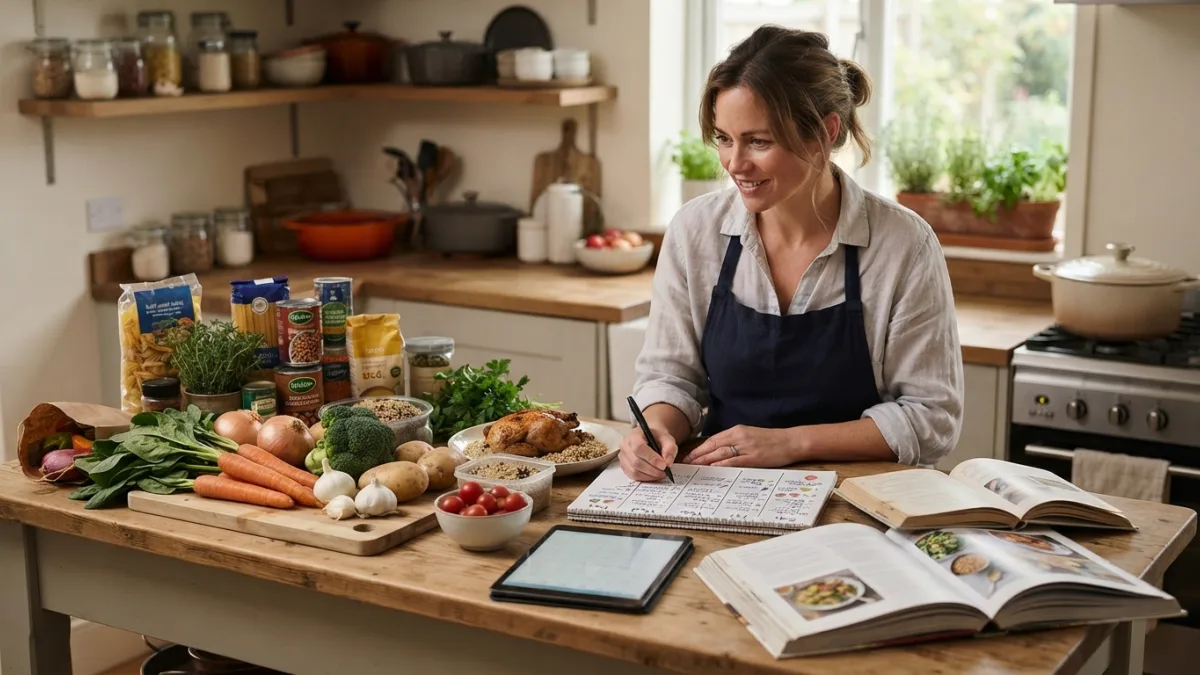
A fridge inventory checklist is the base of the whole plan, and it takes less time than most people expect. Grab a notepad or open a notes app. Then check each area of your kitchen and write down what you find, including amounts. Do not judge, and do not cook yet. Just list.
- Fridge: vegetables, dairy, eggs, sauces, cooked leftovers, and anything open.
- Freezer: meat, bread, frozen vegetables, and that mystery bag in the back.
- Pantry: grains, pasta, canned goods, oils, spices, and baking items.
- Counter and fruit bowl: potatoes, onions, bananas, and anything ripening fast.
Mark anything that looks tired with a star. Those items will lead your plan.
Step 2: Turn Your Shelves Into Pantry Staples Meals
Once your list is done, sort it into four groups. This turns a messy pile of ingredients into pantry staples meals you can actually picture. Rice, pasta, and tortillas go under starches. Beans, eggs, canned fish, and frozen chicken go under proteins. Vegetables, fresh or frozen, get their own group. Sauces, spices, cheese, and pickles make up the flavor group.
Now look at the list as a menu. A starch, a protein, a vegetable, and a flavor make a dinner. You may be surprised how many combinations already exist on your shelves.
Step 3: Use Up Leftovers and Short-Dated Food First
The easiest way to use up leftovers is to give them a night of their own, early in the week. Look at your starred items and place them first. Soft vegetables, open packages, and anything near its date should be eaten in the first two or three days. Freeze what you cannot get to in time, such as bread, cooked rice, or raw meat. This connects closely with another common issue — see Low Waste Meal Prep: 7 Simple Tips for a Perfect Week for more on that.
Leftovers also work well as ingredients. Cold rice becomes fried rice. Roasted vegetables fold into an omelet or a quesadilla. A bit of cooked chicken can top a salad or stir into soup. For safe storage and reheating, check the guidance at FoodSafety.gov, and when in doubt about an item, throw it out.
Step 4: Mix and Match Meals Across the Week
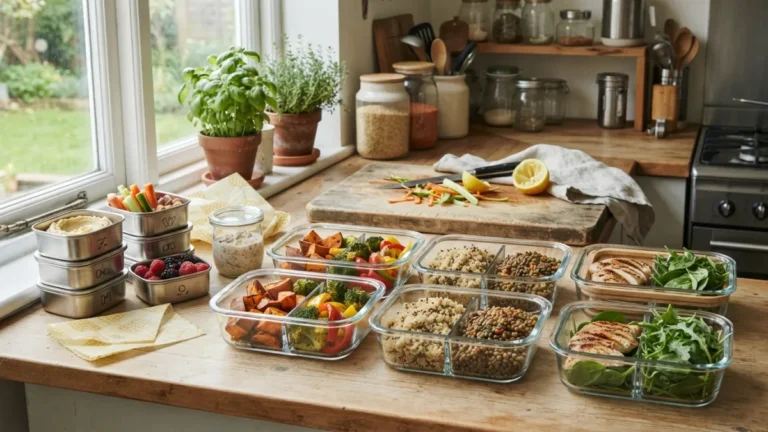
You do not need seven different dinners. You need a few building blocks that can mix and match meals in different forms. Cook a pot of rice on Sunday, and it can be a burrito bowl on Monday, fried rice on Wednesday, and rice soup on Friday. Roast one tray of vegetables, and they can go into pasta one night and a wrap the next.
Try a simple formula: pick one starch, one protein, one vegetable, and one sauce. Change just one piece, and the dinner feels new. Swap the sauce from salsa to soy sauce, and you have a different meal.
Step 5: Lock It Into a Weekly Meal Planner
Now write your week of dinners into a weekly meal planner. A paper grid on the fridge works as well as any app. Put the most perishable meals first, then the sturdy pantry meals later. Leave one night open for leftovers, takeout, or a change of plans, because life always interrupts.
Next to each night, jot one short note, such as “thaw chicken” or “cook rice.” Finally, make a tiny shopping list for gaps only. If you need more than five items, go back and look at your shelves again.
How to Cook No Recipe Dinners Without Panic
No recipe dinners feel scary at first, but they follow a pattern you can learn fast. Think in steps instead of measurements. Heat a pan, add oil, and cook onion or garlic if you have them. Add the protein, then the vegetables, then a starch or a splash of liquid. Taste, adjust, and serve. You might also find our article on Fridge Organization: 7 Easy Zones to Cut Food Waste helpful here.
- Add salt in small pinches and taste after each one.
- Finish with something sharp, like lemon juice, vinegar, or pickles, to brighten flat flavors.
- Add something crunchy, such as toasted nuts, seeds, or breadcrumbs, for texture.
- Cook small pieces so they finish quickly and evenly.
Your first attempts may be plain. That is fine. Confidence grows with each pan.
Budget Dinner Planning When Money Is Tight
Good budget dinner planning begins with a simple rule: use what you paid for before you buy more. Beans, eggs, oats, rice, pasta, and frozen vegetables tend to stretch far, so build a few dinners around them. The USDA’s MyPlate website offers general ideas for balanced eating, including tips for keeping costs down.
Plan for small bits of protein, such as one chicken breast sliced thin or a handful of cheese, and let grains and vegetables fill the plate. Write down what you saved by skipping a shopping trip. Seeing that number may keep you motivated for week two.
A Sample Week of Dinners From a Typical Kitchen
Here is how one week of dinners might look if your kitchen holds rice, pasta, eggs, canned tomatoes, beans, frozen vegetables, a few fresh vegetables, and a bag of chicken in the freezer. Yours will differ, but the pattern should help.
- Monday: Veggie omelets with the softest vegetables, plus toast.
- Tuesday: Pasta with canned tomatoes, garlic, and spinach before it wilts.
- Wednesday: Chicken and rice bowls with frozen vegetables and any sauce you like.
- Thursday: Bean tacos or quesadillas using leftover chicken and cheese.
- Friday: Fried rice with eggs and whatever vegetables remain.
- Saturday: Soup from odds and ends, with a little pasta or rice.
- Sunday: Open night for leftovers or a treat.
Notice how few ingredients repeat in new forms. That repetition is the secret, not a weakness.
Make It a Habit, Not a One-Time Project
Repeat this routine on the same day each week, ideally right before you shop. Check the fridge, sort your shelves, set the order, and write the plan. After two or three rounds, it takes ten minutes. You will also learn which foods your household really eats and which ones keep going bad. For a related walkthrough, check out Reducing Food Waste: 7 Essential Tips for Shared Kitchens.
A week of dinners built this way will not look perfect, and it does not have to. It only has to get food on the table, keep your groceries from going to waste, and spare you from a 6 p.m. panic.
FAQ: Planning a Week of Dinners From What You Have
How long does it take to plan a week of dinners this way?
Your first plan may take twenty to thirty minutes, mostly for checking your fridge, freezer, and pantry. After a few weeks, ten minutes is usually enough because you know your kitchen better.
What if I do not have enough food for seven dinners?
Plan for the dinners you can cover, then add a short list of cheap gap-fillers, such as eggs, a vegetable, or a starch. Leftover nights and one flexible night also help stretch your supplies.
Do I need recipes to cook with what I already have?
No. Pick a starch, a protein, a vegetable, and a flavor, then cook them in a simple order. Taste as you go and adjust with salt, acid, or spice.
How do I keep leftovers safe to eat?
Refrigerate cooked food promptly, store it in covered containers, and reheat it until it is hot throughout. Check official guidance on FoodSafety.gov for storage times, and throw out anything you doubt.
What should I do with ingredients I will not use in time?
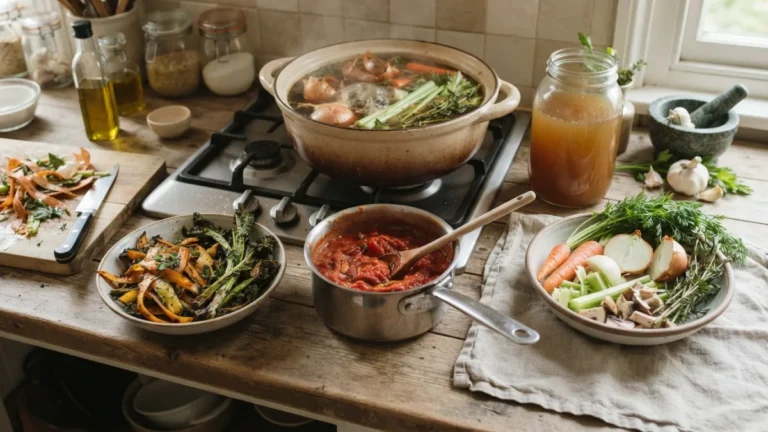
Freeze them if they freeze well, such as bread, cooked grains, and raw meat. Soft vegetables can be cooked into soup or sauce and frozen in portions for a later night.