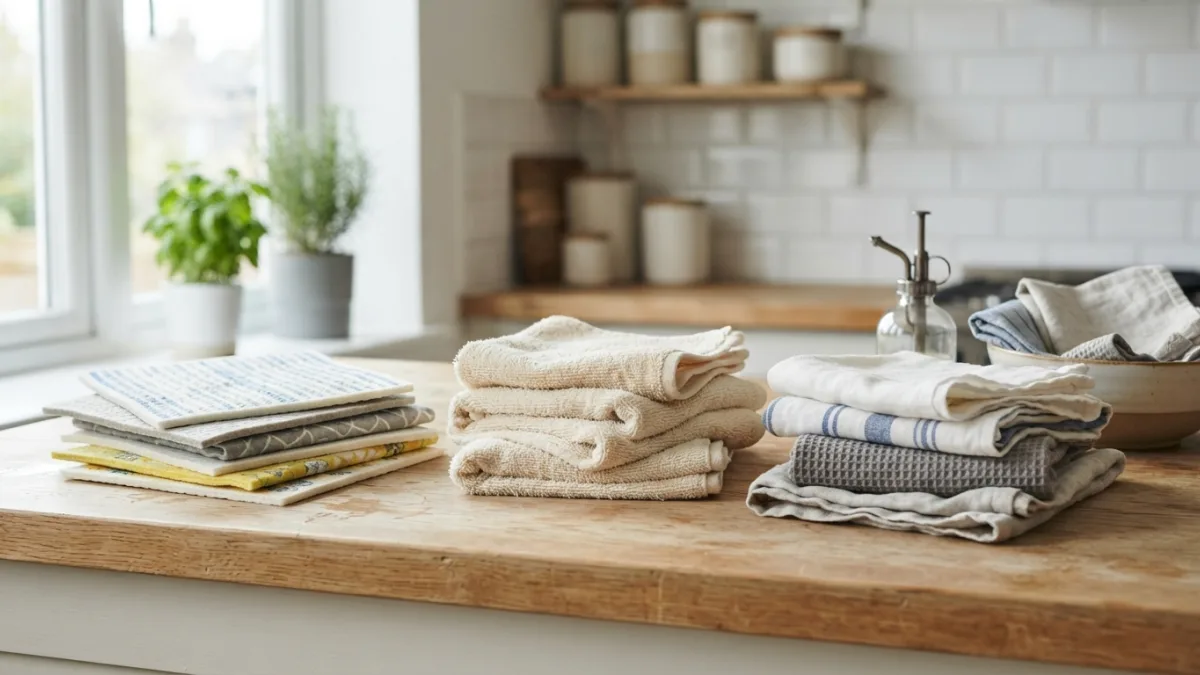
Reviewing Reusable Alternatives to Paper Towels: Swedish Cloths, Bamboo Towels, and Rags
Ever glance at your grocery receipt and wince at how much you spend on paper towels every single month? You’re not alone. More households are searching for alternatives to paper towels that save money, cut down on waste, and actually work just as well for spills, dishes, and countertops. Three options keep popping up in kitchens everywhere: Swedish dishcloths, bamboo towels, and good old-fashioned rags. Each one has its own quirks, strengths, and downsides, so picking the right fit depends on your habits, your budget, and how much effort you want to put into laundry.
Why People Are Ditching Paper Towels
The average family goes through a surprising number of paper towel rolls each year, and that adds up in both cost and landfill waste. Paper towels are single-use by design, which means every napkin-sized sheet you tear off ends up in the trash within minutes. Switching to reusable cleaning cloths isn’t just a trendy Pinterest idea anymore; it’s become a practical response to rising grocery prices and growing awareness about household waste. People are also realizing that many reusable options are just as absorbent, if not more so, than traditional paper towels. Once you factor in how often you’re running to the store to restock, the appeal of a washable, long-lasting cloth becomes pretty obvious. It’s less about being perfectly eco-friendly and more about being efficient with money and time. If you want to dig deeper, our guide on Best Reusable Food Storage Alternatives to Plastic Wrap covers this in more detail.
Swedish Dishcloths: The Viral Favorite
Swedish dishcloths have taken over kitchen aisles and social media feeds for good reason. Made from a blend of cellulose and cotton, these thin, sponge-like cloths can absorb an impressive amount of liquid compared to their size. They start out stiff, almost like a cracker, but soften up the moment they touch water. Unlike paper towels, swedish dishcloths can be rinsed, wrung out, and reused dozens of times before they wear out. Many brands claim one cloth can replace a significant number of paper towel rolls over its lifespan, which sounds dramatic until you actually use one for a few weeks and see how little you’re reaching for paper.
Pros and Cons of Swedish Dishcloths
These cloths shine when it comes to everyday spills, wiping counters, and cleaning up after cooking. They dry quickly, resist odor better than regular sponges, and can even go in the dishwasher or washing machine for a deeper clean. On the downside, they’re not great for heavy-duty scrubbing or picking up something like broken glass or grease-heavy messes. They also tend to be pricier per unit than a roll of paper towels, though the cost evens out since you’re not constantly replacing them. If you’re someone who wipes down surfaces frequently throughout the day, a swedish dishcloth is likely to become your go-to tool within the first week of trying it.
Bamboo Towels: A Middle Ground Option
Bamboo towels sit in an interesting spot between paper towels and cloth rags. They usually come on a roll, mimicking the familiar paper towel format, but each sheet is made from bamboo fiber and can be washed and reused many times before it breaks down. This makes the transition easier for people who aren’t ready to give up the convenience of tearing off a sheet and tossing it straight into the wash. Bamboo towels tend to be more durable than paper and softer than most rags, striking a balance that appeals to people looking for eco-friendly paper towel alternatives without a huge lifestyle change. They’re also naturally more resistant to bacteria growth compared to regular cotton, which is a nice bonus for kitchen use. This connects closely with another common issue — see Top Reusable Coffee Filters for Drip Machines, French Press, and Espresso Makers for more on that.
Where Bamboo Towels Fall Short
Bamboo towels aren’t perfect. Each sheet has a limited number of washes before it starts to fray or lose its shape, so you’ll eventually need to replace the roll, unlike a cloth rag that can last for years. They also tend to cost more upfront than a standard paper towel roll, and not every store carries them, so you might need to order online. Some people find the texture a bit rougher than expected, especially compared to the softness of Swedish dishcloths. Still, for anyone who wants a familiar roll-and-tear experience while reducing waste, bamboo towels offer a reasonable compromise that doesn’t require relearning cleaning habits from scratch.
Rags: The Original Reusable Alternative to Paper Towels
Before Swedish dishcloths and bamboo towels became popular, people were already using rags cut from old t-shirts, towels, and bedsheets. This remains one of the most budget-friendly reusable alternatives to paper towels out there, since it costs nothing beyond fabric you already own. Rags are tough, machine washable, and can handle messy jobs that other options might struggle with, like wiping up grease, dirt, or even automotive fluids in the garage. The tradeoff is that they’re not always the most pleasant to look at or store, and you’ll need a designated bin or basket to keep dirty rags separate from clean ones. For anyone serious about zero-waste living, rags are hard to beat in terms of cost and versatility.
Best Uses for Cloth Rags
Rags work best for tasks where you don’t mind them getting genuinely dirty, like cleaning up after a pet accident, wiping down grimy surfaces, or handling projects around the house. They’re less ideal for quick kitchen wipe-downs where you want something soft and absorbent, since old t-shirt material can feel rough and doesn’t always soak up liquid as efficiently as a Swedish dishcloth. Many households keep a mix on hand: soft rags for gentle cleaning and tougher ones for heavy jobs. If you’re just getting started, raiding your closet for worn-out clothes and cutting them into squares is an easy, free way to build a rag collection without spending a dime. You might also find our article on Best Plastic-Free Dishwashing Kits: Solid Dish Soap, Brushes, and Cloths Compared helpful here.
Comparing the Three Options Side by Side
Choosing between these three sustainable cleaning cloths often comes down to how you plan to use them and how much maintenance you’re willing to do. The table below breaks down the basics so you can decide which fits your routine best.
| Feature | Swedish Dishcloths | Bamboo Towels | Rags |
|---|---|---|---|
| Absorbency | High | Moderate to High | Varies by fabric |
| Durability | Months with proper care | Limited washes per sheet | Years |
| Upfront Cost | Moderate | Moderate to High | Free to Low |
| Best For | Everyday spills and counters | Familiar roll-and-tear use | Heavy-duty or messy jobs |
| Machine Washable | Yes | Yes | Yes |
How to Choose the Right Option for Your Home
There’s no single winner here because each option serves a different purpose. If you want something soft and absorbent for daily kitchen tasks, Swedish dishcloths are hard to beat. If you like the feel of a traditional paper towel but want something reusable, bamboo towels ease that transition without much of a learning curve. And if you’re mainly concerned about saving money and tackling messier chores, rags made from old clothing or towels are tough to top. Many people end up using a combination of all three, keeping Swedish cloths for the kitchen, bamboo towels for quick everyday wipes, and rags for garage or outdoor use. Mixing and matching often works better than trying to find one product that does everything perfectly.
Caring for Your Reusable Cleaning Cloths
Getting the most out of any of these options depends on proper care. Swedish dishcloths should be rinsed after each use and tossed in the washing machine or dishwasher regularly to prevent odor buildup. Bamboo towels typically last longer if you avoid high heat when drying, since excessive heat can cause the fibers to break down faster. Rags should be washed separately from your regular laundry, especially if they’ve been used for cleaning chemicals or greasy messes, to avoid cross-contamination. Air-drying all three types between uses helps prevent the musty smell that can develop when damp cloths sit for too long. A little routine maintenance goes a long way in extending the life of whichever option you choose, which ultimately makes the switch more worthwhile financially and environmentally. For a related walkthrough, check out Reusable vs. Disposable: What's Actually Worth Buying.
Frequently Asked Questions
Are Swedish dishcloths really better than paper towels?
For everyday spills and countertop cleaning, most people find Swedish dishcloths perform just as well or better than paper towels, and they last for weeks or months instead of being thrown away after one use.
How many times can I reuse a bamboo towel sheet?
This varies by brand, but most bamboo towel sheets can be washed and reused a good number of times before they start to fray, offering noticeably more use than a single paper towel sheet.
Do rags smell bad if I don’t wash them right away?
Damp rags left sitting in a pile can develop a musty odor fairly quickly, so it helps to air them out or toss them in a ventilated bin until you’re ready to wash them.
Which option is the most affordable long term?
Rags made from old clothing or towels are typically the cheapest since they cost nothing extra, while Swedish dishcloths and bamboo towels require an initial purchase but still save money over time compared to constantly buying paper towels.
Can I use these reusable options for cleaning up raw meat juices or bacteria-prone messes?
Yes, but it’s important to wash them immediately in hot water afterward, and many people keep a separate cloth or rag specifically for raw meat or high-risk messes to avoid cross-contamination.