Reusable vs. Disposable: What’s Actually Worth Buying
Every time you stand in the grocery aisle deciding between a pack of paper towels and a stack of cloth rags, you’re making a tiny economic and environmental bet. That bet is the heart of the reusable vs disposable debate that’s quietly reshaping how millions of people shop. Some swear that reusable products always save money and the planet, while others argue disposable items still make sense for busy, budget-conscious lives. The truth sits somewhere in between, and it depends heavily on what you’re buying, how often you use it, and how honest you are with yourself about follow-through. This article breaks down where reusables genuinely pay off, where disposables still have a place, and how to make smarter choices without falling for marketing hype on either side.
The Real Cost of Convenience
Disposable items sell themselves on convenience, and that’s not a small thing. Paper plates, plastic cutlery, single-use razors, and paper towels save time and mental energy, especially during busy weeks or big gatherings. But convenience has a price tag that adds up quietly over months and years. A household that buys paper towels weekly might spend fifteen to twenty dollars a month, which translates to roughly two hundred dollars a year on something a set of microfiber cloths could replace for under thirty dollars total. The same math applies to plastic water bottles, disposable razors, and single-use coffee cups. None of these individual purchases feel expensive, which is exactly why they’re easy to underestimate. Cost comparison only becomes obvious when you track spending over a full year instead of judging each purchase in isolation. If you want to dig deeper, our guide on Best Reusable Food Storage Alternatives to Plastic Wrap covers this in more detail.
Where Reusable Products Actually Win
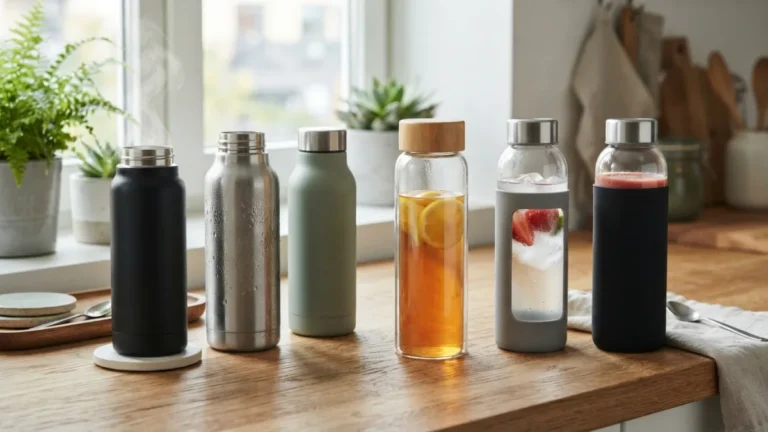
Some categories offer such a clear return on investment that switching is almost a no-brainer. Reusable water bottles, cloth napkins, silicone food storage bags, and rechargeable batteries all pay for themselves within months, sometimes weeks. These are items used daily or weekly, which means the upfront cost gets divided across dozens or hundreds of uses very quickly. A quality reusable water bottle might cost twenty-five dollars, but it eliminates the need to buy bottled water indefinitely, saving both money and plastic waste. The same logic applies to grocery bags, coffee filters, and menstrual products, where reusable versions last for years with minimal upkeep. When an item gets heavy, consistent use, reusable almost always wins on total cost, even if the initial price feels steep.
Everyday Items Worth Switching
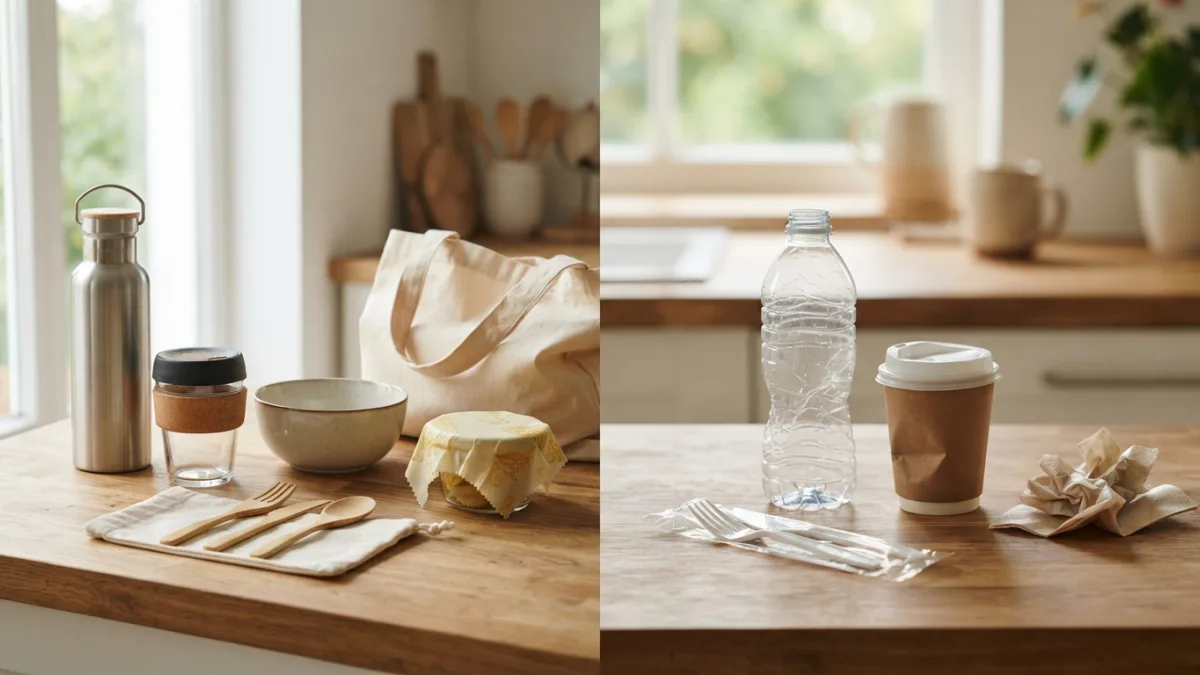
- Stainless steel or glass water bottles instead of bottled water
- Cloth napkins and towels instead of paper versions
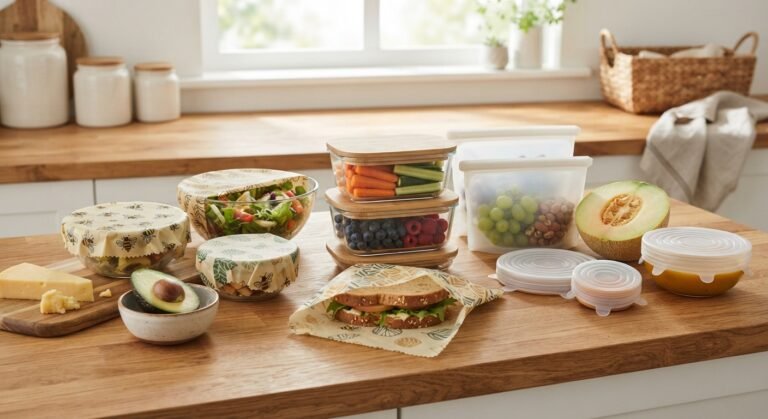
- Silicone or beeswax food wraps instead of plastic cling film
- Rechargeable batteries instead of single-use alkaline ones
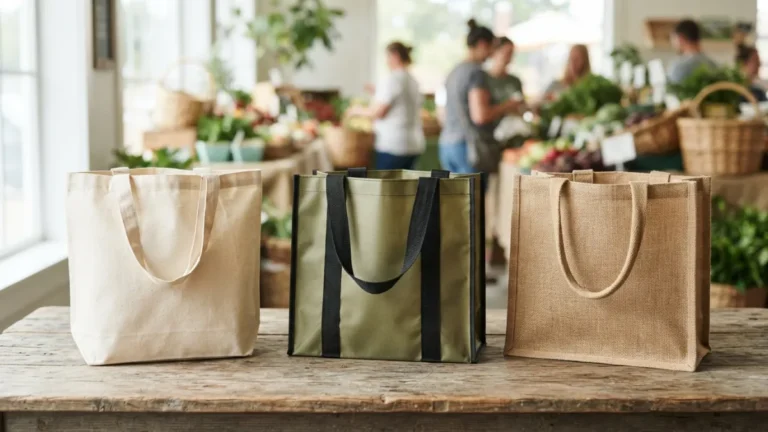
- Reusable shopping bags instead of plastic or paper ones
When Disposable Still Makes Sense
Not every product benefits from a reusable upgrade, and pretending otherwise leads to wasted money and frustration. Items used rarely, in high-risk situations, or in settings where hygiene is critical often work better as disposables. Medical supplies like bandages, certain wound care products, and items used during illness fall into this category for good reason. Disposable cleaning wipes for specific messes, one-time-use items for travel, or products needed only for a single event can also make more sense than buying a reusable version you’ll rarely touch again. The key question isn’t whether something is reusable or disposable in theory, but whether you’ll realistically use the reusable version often enough to justify it. Buying a reusable item you use twice a year isn’t sustainable shopping; it’s just clutter with better branding.
Reusable vs Disposable: A Side-by-Side Look
Numbers make decisions easier than opinions do, so here’s a rough comparison across common household categories. These figures are general estimates meant to show patterns, not exact universal prices, since costs vary by brand, region, and usage habits. This connects closely with another common issue — see DIY Natural Cleaning Products That Actually Work for more on that.
| Category | Disposable Option | Reusable Alternative | Typical Break-Even Point |
|---|---|---|---|
| Water bottles | Bottled water, ongoing cost | Reusable steel or glass bottle | 1 to 2 months |
| Coffee filters | Paper filters, ongoing cost | Reusable metal filter | 2 to 3 months |
| Shopping bags | Plastic bags, per trip | Cloth tote bags | A few weeks |
| Razors | Disposable razors | Safety razor with replaceable blades | 3 to 6 months |
| Batteries | Single-use alkaline | Rechargeable batteries and charger | 6 to 12 months |
The Environmental Side of the Equation
Money isn’t the only factor people weigh when comparing reusable vs disposable options. Environmental impact plays a growing role in shopping decisions, and disposable items generally generate more waste per use than their reusable counterparts. A single reusable bag can replace hundreds of plastic bags over its lifespan, and a reusable bottle can prevent hundreds of plastic bottles from ending up in landfills or waterways. That said, reusable products aren’t automatically eco-friendly just because they’re marketed that way. Manufacturing a reusable item often requires more resources upfront than making a disposable one, so the environmental benefit only kicks in once you use it enough times to offset that initial footprint. A reusable bag made from heavy material but used only occasionally may not beat plastic bags used dozens of times before disposal.
How to Shop Smarter Without Overthinking It
You don’t need a spreadsheet to make good decisions here, just a few honest questions before buying. Start by asking how often you’ll actually use the item, not how often you imagine using it in an ideal version of your life. Then consider storage space, cleaning effort, and whether the reusable version fits realistically into your routine. Sustainable shopping works best when it matches your actual habits rather than aspirational ones. It also helps to prioritize switching in categories where you already generate the most disposable waste, since that’s where reusable products will have the biggest financial and environmental impact. Small, consistent swaps tend to stick better than an overnight overhaul of your entire household, which often leads to unused reusable items gathering dust in a drawer.
Questions to Ask Before Switching
- Will I use this at least once a week?
- Do I have space to store and clean it properly?
- Does the reusable version actually perform as well as the disposable one?
- Will my household members also use it consistently?
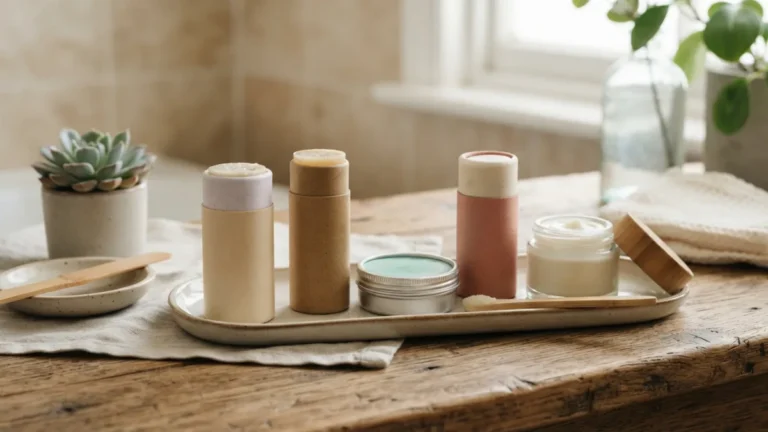
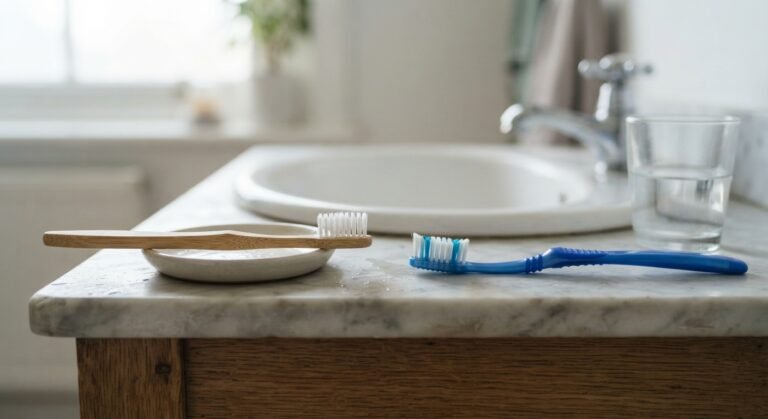
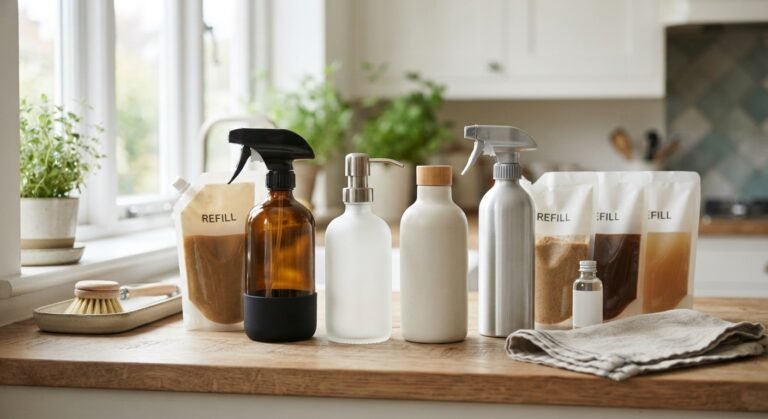
Kitchen and bathroom items tend to offer the clearest wins for reusable swaps, since these are spaces where disposable products get used constantly and often unnecessarily. Cloth napkins, reusable food containers, and washable cleaning cloths replace items that would otherwise be thrown out weekly or even daily. Bathrooms benefit from reusable cotton rounds, safety razors, and refillable soap dispensers, all of which cut down on plastic packaging and ongoing purchases. Kids’ lunches are another overlooked opportunity, since reusable snack bags and containers can replace years of single-use plastic bags at a fraction of the long-term cost. These categories work well precisely because usage is frequent and predictable, which means the math almost always favors reusable options once you commit to the habit. You might also find our article on Bamboo vs. Plastic Toothbrushes: Is the Switch Worth It? helpful here.
Travel and outdoor activities tend to flip the equation slightly, since convenience and reliability matter more in unpredictable settings. Disposable cutlery, wipes, and packaging can be genuinely useful during camping trips, long flights, or emergencies where washing and carrying reusable items isn’t practical. Even eco-conscious shoppers often keep a small stash of disposable items for these situations, and that’s not hypocritical, it’s realistic. The goal of reducing waste isn’t perfection, it’s making better choices in the situations where you have real control. Trying to eliminate every disposable item from your life can backfire, leading to frustration or abandoning sustainable habits altogether. A balanced approach, where reusable products handle daily life and disposables cover occasional exceptions, tends to be far more sustainable in the long run than an all-or-nothing mindset.
The smartest approach to reusable vs disposable decisions treats them as a spectrum rather than a strict rule. Some items clearly belong in the reusable category because of frequent use and easy upkeep, while others make more sense as occasional disposable purchases. Rather than chasing a perfect zero-waste lifestyle, focus on the swaps that fit your actual routine, save real money over time, and reduce unnecessary waste without adding stress to your day. Over months and years, these small, practical decisions add up to meaningful savings and a noticeably smaller environmental footprint, without requiring you to overhaul your entire life overnight.
Frequently Asked Questions
Are reusable products always cheaper than disposable ones in the long run?
Not always, but for frequently used items like water bottles, bags, and food storage, reusable options usually save money within a few months to a year. For a related walkthrough, check out How to Read Food Labels for Sustainable, Ethical Choices.
What’s the biggest mistake people make when switching to reusable items?
Buying reusable products for things they rarely use, which means the item never gets enough use to justify its cost or environmental footprint.
Are disposable items ever the more sustainable choice?
In specific cases, yes. If a reusable alternative requires excessive water or energy to clean and is used rarely, a disposable option might have a smaller overall impact.
How do I decide which items to switch first?
Start with categories you use most often, like water bottles, shopping bags, or kitchen wraps, since frequent use means faster savings and less waste.
Do reusable products really help the environment, or is it mostly marketing?
They genuinely help when used consistently over time, since manufacturing has an upfront environmental cost that only gets offset through repeated use.