Small-Space Storage Ideas for Bulk Cleaning Ingredients (Vinegar, Soda, Soap Bars)
Buying cleaning ingredients in bulk saves money, but it creates a real puzzle for anyone living in an apartment, tiny house, or cramped rental. A gallon jug of vinegar, a giant box of baking soda, and a six-pack of soap bars can eat up shelf space fast, and most small kitchens or laundry closets simply don’t have room to spare. That’s where smart small space storage ideas come in handy. With a few clever containers, some vertical thinking, and a willingness to repurpose everyday items, you can store all your bulk cleaning supplies without turning your cabinets into a cluttered mess.
Why Bulk Buying Makes Sense (Even in Tight Quarters)
Buying cleaning staples in bulk isn’t just about saving a few dollars per ounce, though that matters too. Vinegar, baking soda, and soap bars have long shelf lives, so stocking up means fewer emergency store runs when you run out mid-cleaning. The challenge isn’t whether to buy bulk, but how to store it without sacrificing your limited square footage. Many people avoid buying in larger quantities simply because they picture bulky jugs taking over their pantry. Once you rethink your storage approach, though, bulk buying becomes far more practical. The key is breaking large containers into smaller, stackable, and space-efficient units that fit into gaps you didn’t even know you had. If you want to dig deeper, our guide on Kid- and Pet-Safe House Cleaning: Non-Toxic Products for Floors, Furniture, and Toys covers this in more detail.
Vinegar Storage Tips for Small Kitchens
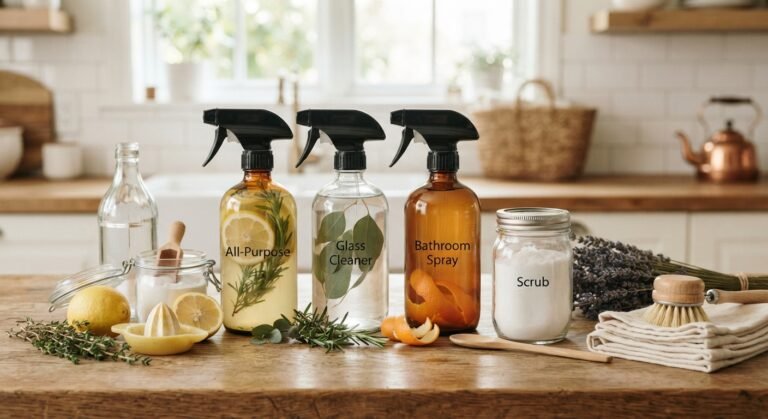
Vinegar usually comes in large plastic jugs that are awkward to store and even more awkward to pour from daily. One of the simplest vinegar storage tips is to decant it into a smaller, labeled squeeze bottle or pump dispenser that you keep on your counter or under the sink for regular use. Store the bulk jug itself in a less accessible spot, like a high shelf, the back of a closet, or even a bin in the garage, and only refill your daily-use bottle as needed. This two-container system means you’re not constantly wrestling with a heavy jug just to clean your countertops. Glass swing-top bottles also work well since they don’t absorb odors and look tidy enough to leave in view.
Best Containers for Vinegar
- Small glass spray bottles for diluted cleaning solutions
- Squeeze bottles with flip caps for easy pouring
- Opaque plastic bins to store the bulk jug out of sight
- Labeled mason jars for pre-mixed vinegar and water blends
Soda Storage Solutions That Don’t Waste Space
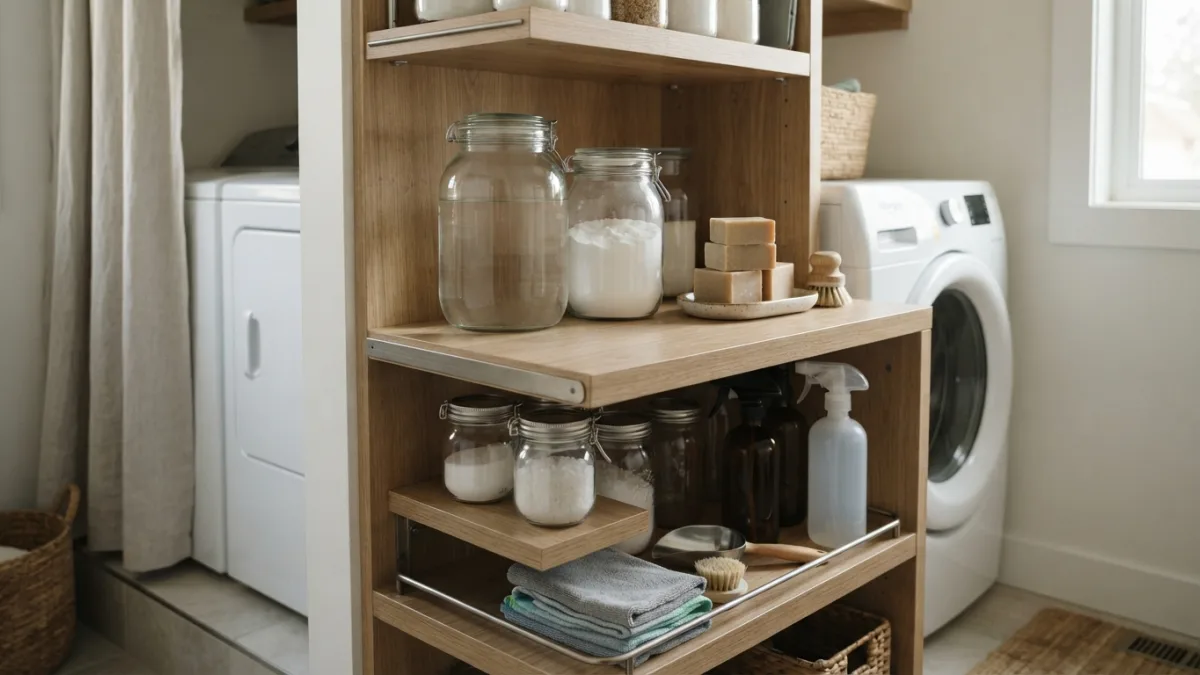
Baking soda is a workhorse ingredient, useful for deodorizing, scrubbing, and even laundry boosting, but the standard box it comes in isn’t built for long-term storage or stacking. Transferring bulk soda into airtight containers protects it from moisture and pests while also making it easier to fit into narrow cabinet spaces. Look for soda storage solutions like stackable canisters with wide mouths, which let you scoop out what you need without spilling. Square or rectangular containers use space far more efficiently than round ones, since they sit flush against each other and against cabinet walls. If you use baking soda often, consider keeping a small shaker jar in your kitchen and storing the rest in a bulk container in a lower cabinet or pantry shelf.
Soap Bar Storage Without the Clutter
Soap bars, whether for dishes, laundry, or hand washing, tend to pile up in random drawers if you don’t have a system. Effective soap bar storage starts with keeping bars dry and separated so they don’t stick together or develop a soft, mushy texture. A simple mesh bag or a drawer organizer with individual slots works well for this. Some people repurpose old shoe organizers with clear pockets, hanging them on the inside of a closet or pantry door to hold multiple bars at once. This method keeps soap visible and accessible while using vertical door space that would otherwise go to waste. Wrapping unused bars in wax paper or a breathable cloth also helps preserve their scent and texture until you’re ready to use them. This connects closely with another common issue — see How to Compost in a Small Apartment for more on that.
Vertical Space Is Your Best Friend
When floor and shelf space run out, the walls and doors in your home become valuable real estate. Installing a few tension rods inside a cabinet creates a makeshift shelf where you can slide spray bottles or small bins underneath. Over-the-door organizers, originally designed for shoes or accessories, adapt beautifully for cleaning supplies, holding everything from soap bars to small vinegar bottles in individual compartments. Wall-mounted wire baskets near a laundry area or under the sink give you extra storage without taking up counter or floor space. This kind of vertical thinking is central to almost every successful approach to small kitchen organization, since it forces you to look up and around rather than just at your limited shelf inches.
Simple Vertical Storage Additions
- Tension rods for creating extra shelf layers inside cabinets
- Over-the-door pocket organizers for soap and small bottles
- Wall-mounted hooks for hanging spray bottles by their triggers
- Stackable bins that slide onto existing shelves
Choosing the right container matters just as much as finding the right spot for it. Below is a quick comparison to help you decide which storage option fits each ingredient best, based on accessibility, space efficiency, and how well it protects the product.
Comparison of Storage Container Options
| Ingredient | Best Container Type | Space Efficiency | Accessibility |
|---|---|---|---|
| Vinegar | Squeeze bottle or glass swing-top bottle | High | Very easy to use daily |
| Baking Soda | Square airtight canister | Very high | Easy, especially with a scoop |
| Soap Bars | Mesh bag or door pocket organizer | Moderate to high | Easy, especially when labeled |
Repurposing Household Items for Extra Storage
You don’t need to buy fancy organizers to make this system work. Empty jars from pasta sauce, pickles, or jam clean up nicely and make excellent containers for baking soda or vinegar once labeled properly. Old cutlery trays or muffin tins can hold multiple soap bars in a drawer, keeping them separated and dry. Even a simple shoebox lined with a plastic bag can serve as a temporary bin for bulk vinegar jugs stored in a closet. This kind of resourceful thinking not only saves money but also reduces waste, since you’re reusing containers rather than buying new plastic bins for every ingredient. A little creativity goes a long way when your goal is smart small space storage ideas that don’t require a shopping trip first. You might also find our article on DIY Natural Cleaning Products That Actually Work helpful here.
Labeling and Organizing for Long-Term Success
Even the best storage system falls apart if you can’t remember what’s in each container or where you put it. Clear, simple labels, whether handwritten or printed, prevent confusion and help other household members find what they need without asking. Group similar items together, such as keeping all laundry-related supplies in one bin and all kitchen cleaning items in another, so you’re not searching through unrelated products. Rotating your stock, using older bulk supplies before opening new ones, keeps everything fresh and prevents forgotten jars from sitting untouched for years. A little organization upfront saves a lot of frustration later, especially when you’re trying to grab a cleaning ingredient quickly during a busy day.
Making the Most of Under-Sink and Pantry Space
The area under the kitchen or bathroom sink is often underused because of pipes and awkward angles, but with the right bins, it can hold a surprising amount of bulk cleaning supplies. Stackable, pipe-friendly organizers designed specifically for under-sink storage let you use every inch around plumbing fixtures. In the pantry, a dedicated shelf or even just one designated basket for cleaning ingredients keeps them separate from food items while still being easy to reach. If your pantry is shared with food storage, opt for sealed, clearly labeled containers so there’s never any confusion between baking soda for cleaning and baking soda for recipes. Small changes like these turn awkward, wasted spaces into genuinely useful storage zones.
Final Thoughts on Storing Bulk Cleaning Ingredients
Living in a small space doesn’t mean you have to give up the savings and convenience of buying cleaning ingredients in bulk. With a mix of smart containers, vertical storage tricks, and a bit of labeling discipline, vinegar, baking soda, and soap bars can all fit neatly into even the tiniest kitchen or closet. The goal isn’t to find one perfect solution but to combine a few small space storage ideas that match your specific layout and habits. Once you set up a system that works, restocking and organizing becomes second nature rather than a recurring headache. Your cabinets stay tidy, your supplies last longer, and you get to enjoy the financial benefits of bulk buying without the clutter that used to come with it. For a related walkthrough, check out Green Deep-Clean Checklist for Moving In or Out of a Rental Home.
Frequently Asked Questions
What is the best way to store a large vinegar jug in a small kitchen?
Decant vinegar into a smaller squeeze bottle or spray bottle for daily use, and store the bulk jug in a less accessible spot like a high shelf or closet bin, refilling the smaller bottle as needed.
How do I keep baking soda fresh when buying it in bulk?
Transfer baking soda into an airtight, square-shaped canister to protect it from moisture and pests, and keep a small shaker jar nearby for everyday use while storing the rest of the supply in a cabinet or pantry.
What’s a good way to store multiple soap bars without them getting mushy?
Use a mesh bag, drawer organizer, or hanging door pocket organizer to keep bars separated and dry, and wrap unused bars in wax paper or breathable cloth to preserve their texture.
Are over-the-door organizers really useful for cleaning supplies?
Yes, they make excellent use of vertical space that’s often wasted, holding soap bars, small bottles, and other bulk cleaning supplies in individual pockets without taking up shelf or floor space.
Can I use recycled jars and containers for storing cleaning ingredients?
Absolutely. Clean glass jars, old cutlery trays, and even shoeboxes can be repurposed as storage containers, as long as you label them clearly to avoid confusion with food items.