Honest Review of Popular Zero-Waste Starter Kits: What You’ll Actually Use
Somewhere between the reusable straws you never use and the beeswax wrap that dried out in a drawer, most people realize their zero waste starter kits didn’t quite deliver what the packaging promised. These bundles, often sold as an easy entry point into sustainable living, are everywhere right now, from Instagram ads to checkout displays at natural grocery stores. But after testing several of the most popular options over the past few months, the honest truth is that some items earn a permanent spot in daily life while others end up forgotten in a cabinet. This review breaks down what’s genuinely useful, what’s overhyped, and how to figure out which zero waste starter kits actually fit real routines instead of just looking good in a photo.
What’s Actually Inside Most Zero Waste Starter Kits
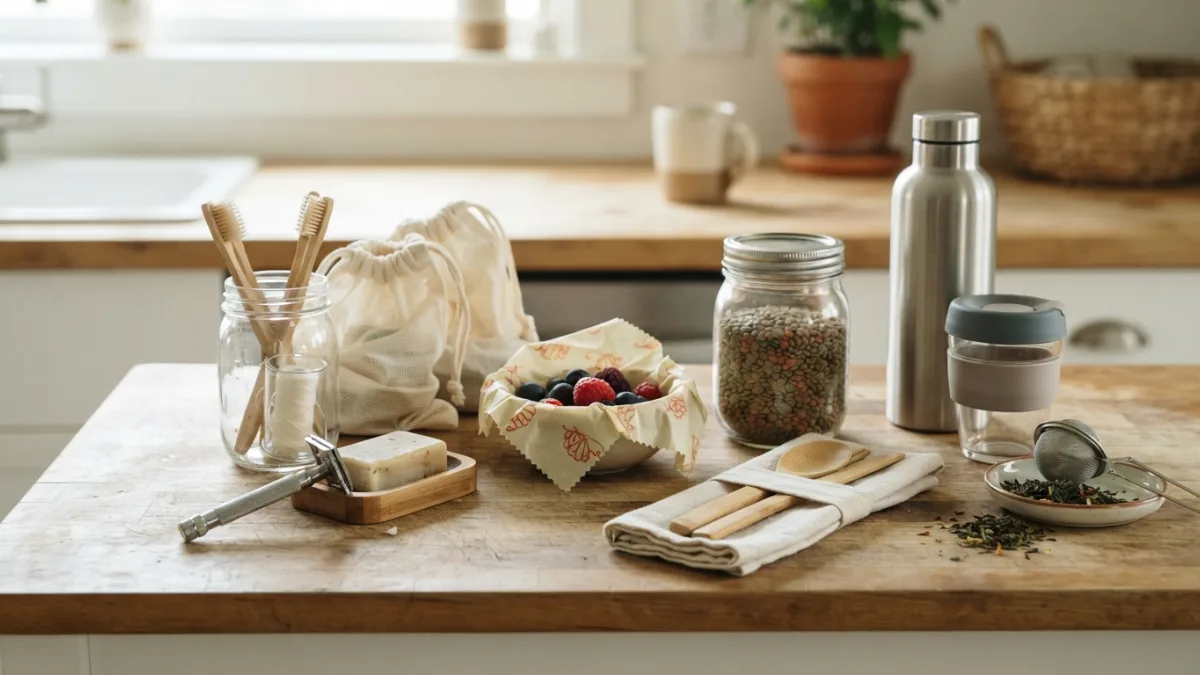
Before comparing specific brands, it helps to know what you’re typically getting for your money. Most eco-friendly starter kits follow a similar formula, packing in a handful of small plastic-free swaps that are meant to replace disposable items you use every day. The usual suspects include: If you want to dig deeper, our guide on Best Plastic-Free Dishwashing Kits: Solid Dish Soap, Brushes, and Cloths Compared covers this in more detail.
- A set of bamboo or stainless steel utensils with a carrying pouch
- Two or three metal or glass straws with a cleaning brush
- Reusable produce bags made from mesh or cotton
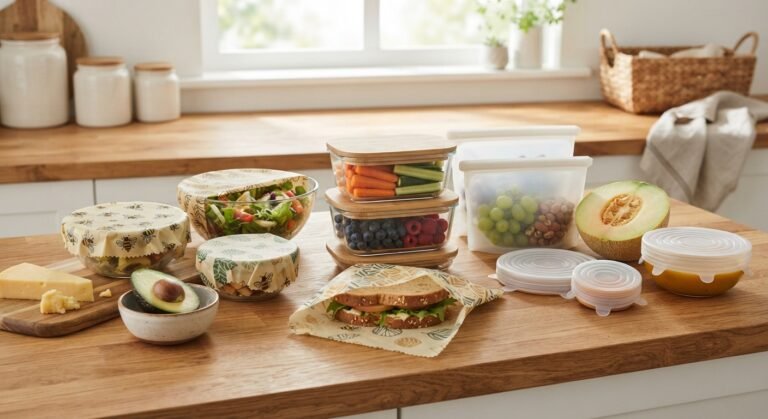
- Beeswax food wraps in a few sizes
- A small bar of solid soap or shampoo
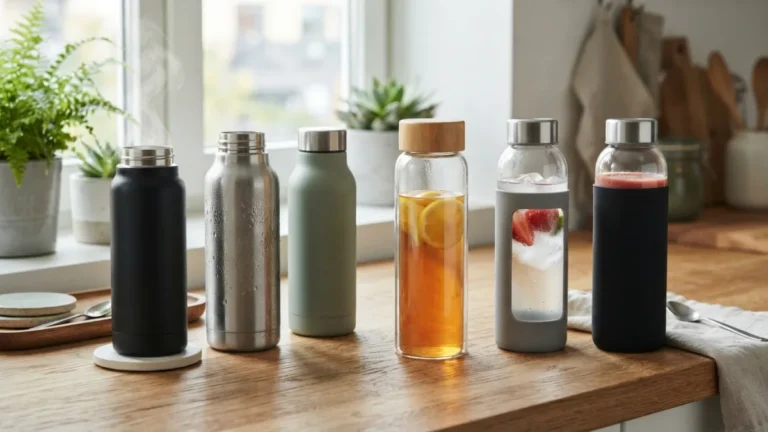
- Sometimes a stainless steel water bottle or coffee cup
Prices range from around $20 for basic sets to over $60 for kits with extras like cloth napkins or a compost bin starter. The core idea is solid, but the value depends heavily on how many of these pieces match your actual habits.
Bamboo Utensils: Genuinely Useful or Just Nice to Look At
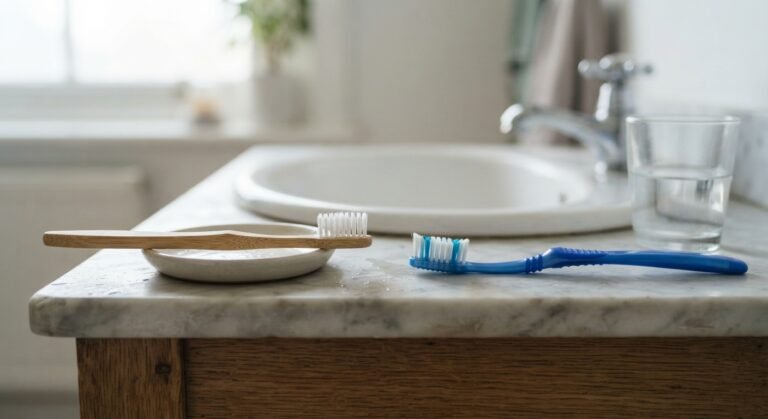
Out of everything tested, the bamboo utensil set turned out to be one of the most practical additions to daily life. It’s lightweight, fits easily in a bag or car glovebox, and eliminates the need to grab plastic forks at takeout counters or work lunches. The wooden finish holds up surprisingly well after repeated hand washing, though it’s smart to avoid the dishwasher since heat can cause warping over time. A few brands include a spork instead of separate pieces, which honestly works better for portion control and takes up less space. This is one of those zero waste essentials that quietly becomes part of your routine without much effort, which is more than can be said for some other items in these kits.
Metal Straws and the Reality of How Often You’ll Use Them
Metal straws get a lot of attention in sustainable living products marketing, but the real-world usage tells a different story. Unless you drink smoothies or iced coffee daily, these tend to sit unused in a drawer after the first week. They’re not bad products, they’re just situational. People who order iced drinks often will get real value here, while others might find the cleaning brush more work than it’s worth for something used twice a month. One workaround worth mentioning is keeping a single straw in your bag or car instead of the full set at home, which cuts down on clutter while still giving you a plastic-free option when you need it. It’s a useful tool, just not a universal one. This connects closely with another common issue — see Best Low-Waste Laundry Detergent Options: Strips, Powders, and Concentrates for more on that.
Beeswax Wraps and Produce Bags: A Mixed Bag
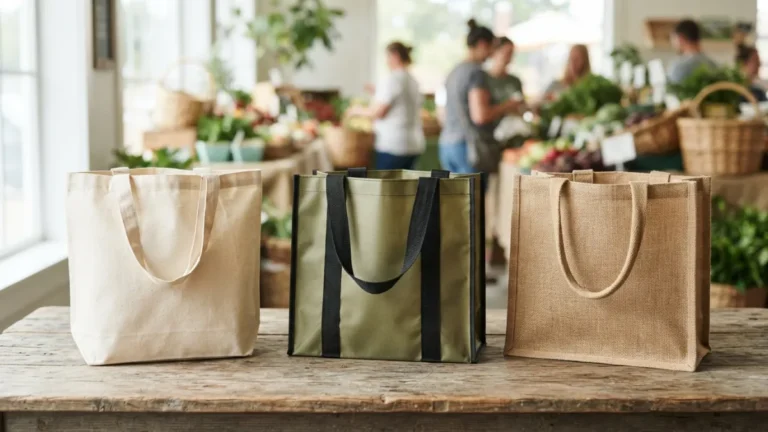
Beeswax wraps sound wonderful in theory, and they do work well for covering bowls or wrapping cheese and cut vegetables. The problem is durability. After a few months of regular use, most wraps lose their tackiness and stop sealing properly, especially if they’re washed in hot water. They’re a reasonable plastic-free swap for short-term storage, but don’t expect them to replace every use case for plastic wrap. Reusable produce bags, on the other hand, performed better than expected. They’re sturdy, machine washable, and genuinely useful at the grocery store or farmers market for loose vegetables, bread, or bulk grains. Cashiers rarely blink at them anymore, which wasn’t always the case a few years ago. Between the two, the produce bags are the clear winner for long-term practicality.
Comparing Popular Zero Waste Starter Kits
To make this easier to visualize, here’s a side-by-side look at a few widely available kits based on price, contents, and how often the items got used during testing over a two-month period.
| Kit Type | Average Price | Most Used Item | Least Used Item |
|---|---|---|---|
| Basic Starter Bundle | $22 | Bamboo utensils | Metal straws |
| Kitchen-Focused Kit | $38 | Produce bags | Beeswax wraps |
| Premium All-in-One Kit | $65 | Stainless steel water bottle | Cloth napkins |
| Travel-Sized Kit | $29 | Utensil pouch | Coffee cup sleeve |
The pattern here is fairly consistent across every price point tested. Kitchen and food-related items tend to get used more often simply because eating happens every single day, while niche accessories like napkin sets or specific cup sleeves depend heavily on lifestyle. You might also find our article on Reusable vs. Disposable: What's Actually Worth Buying helpful here.
What’s Usually a Waste of Money
Not every item in these bundles earns its keep, and it’s worth being upfront about that. Cloth napkins, for instance, are nice but rarely necessary if you already own kitchen towels or regular napkins at home. Some kits also throw in small glass jars marketed for bulk shopping, but unless you live near a store with bulk bins, these often just become extra clutter. Another common miss is the inclusion of a second or third straw when one would realistically cover most needs. The lesson here isn’t that these products are useless everywhere, it’s that a generic kit can’t account for your specific routine. Reading the contents list carefully before buying, rather than assuming more items automatically means more value, will save both money and cabinet space.
Building Your Own Zero Waste Kit Instead
After testing several pre-made options, there’s a strong case for assembling a custom zero waste kit rather than buying one ready-made. You likely already own items that overlap with kit contents, like a reusable water bottle, kitchen towels, or glass jars from pasta sauce. Buying just the pieces you’re missing, such as a single set of utensils or a produce bag multipack, often costs less than a bundled kit and avoids duplicate items. This approach also lets you prioritize based on your actual habits. Someone who cooks often might invest more in beeswax wraps and containers, while a frequent commuter might focus on a durable coffee cup and utensil set for the office. Custom-built kits tend to have a much higher usage rate simply because every item was chosen with intention instead of convenience packaging.
How to Choose the Right Zero Waste Starter Kits for Your Lifestyle
If a pre-made kit still appeals to you, and there’s nothing wrong with that convenience, a few questions can help narrow down the right one. Ask yourself how often you actually eat on the go, whether you drink cold beverages regularly, and how much kitchen storage space you already have. Look for kits with adjustable or modular contents rather than fixed bundles, since some brands now let you swap out items before checkout. Pay attention to material quality too, particularly with bamboo and beeswax products, since cheaper versions tend to degrade faster and end up in the trash sooner than expected. A slightly higher price for better-made zero waste essentials often pays off within the first few months of regular use. For a related walkthrough, check out Reviewing Reusable Alternatives to Paper Towels: Swedish Cloths, Bamboo Towels, and Rags.
Ultimately, the value of any zero waste starter kits comes down to how well they match your daily routine rather than how complete the bundle looks on a store shelf. The most successful swaps in this test were the simplest ones: something to carry food in, something to eat with, and something to shop with. Everything else is a bonus depending on your habits. Sustainable living doesn’t require owning every product marketed under that label, it just requires using what you have consistently. Whether you buy a ready-made bundle or piece one together yourself, focusing on function over aesthetics will get you much closer to genuinely reducing waste than any single purchase ever could.
Frequently Asked Questions
Are zero waste starter kits actually worth buying?
They can be, especially for beginners who want an easy introduction to plastic-free swaps. The value depends on how many included items match your daily habits rather than sitting unused.
What’s the most commonly wasted item in these kits?
Metal straws and cloth napkins tend to see the least use, since they depend heavily on specific habits like drinking cold beverages often or replacing napkins you may already own.
Is it cheaper to build your own zero waste kit?
Often, yes. Buying only the items you’re missing, rather than a full bundle with overlapping products, usually costs less and results in higher long-term usage.
How long do beeswax wraps typically last?
With regular use and proper care, most wraps stay effective for a few months before losing their seal, especially if washed in hot water.
What should I look for in a good eco-friendly starter kit?
Look for durable materials, modular or customizable contents, and items that realistically fit your routine rather than kits packed with extras you’re unlikely to use.