
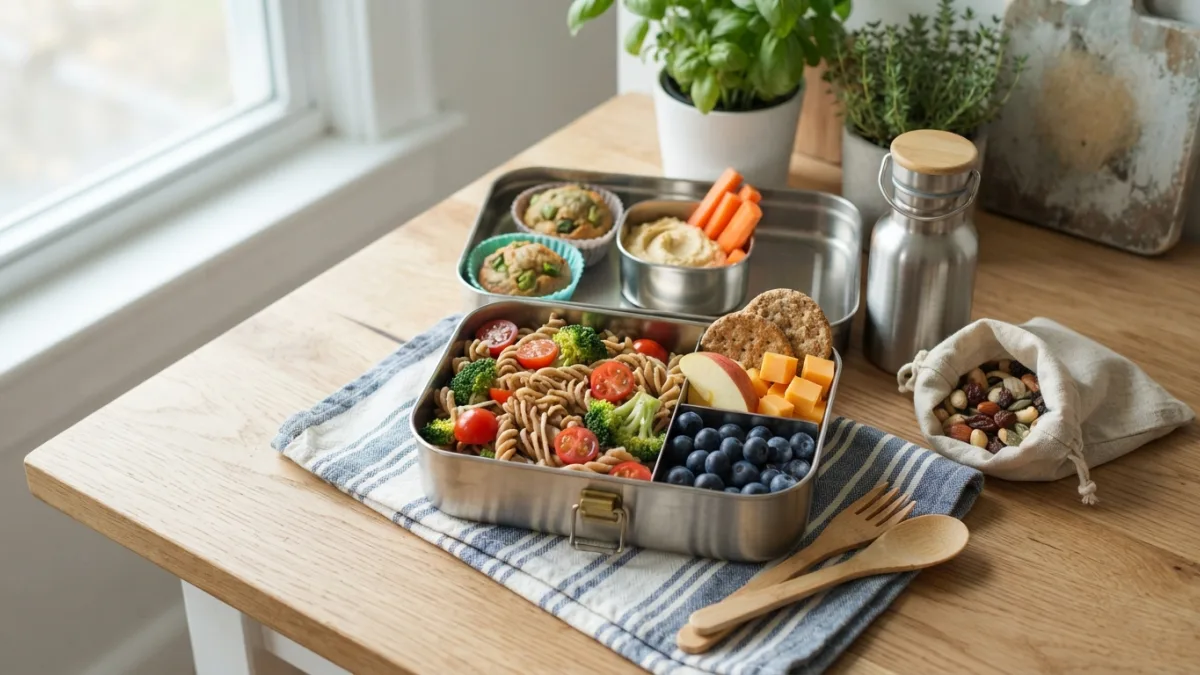
Lunchbox Ideas for Kids: 10 Easy Low-Waste Meals They Love
Open almost any kid’s lunchbox at the end of the school day and you will see the same mess: crumpled wrappers, a squashed pouch, a bag with one lonely cracker inside. These lunchbox ideas for kids aim to change that picture without turning your mornings into a project. You do not need fancy gear or a perfect pantry. You need a few smart swaps, a little planning, and food your child will actually eat.
That last part matters most. A low-waste lunch only works if it comes home empty. So every idea below focuses on simple flavors, easy-to-open containers, and foods kids already know. Some take five minutes. Others save you time later in the week. Pick the ones that fit your family and ignore the rest. If you want to dig deeper, our guide on One-Pot Low-Waste Meals: Simple Recipes That Use Up Leftovers covers this in more detail.
Why Low-Waste Lunches Are Easier Than They Sound
Packaging-free does not mean complicated. It mostly means moving food from big packs into containers you can wash and reuse, and packing amounts your child will really finish. Uneaten food is waste too, so a lunch that gets thrown away is not a low-waste lunch, however nice the container looks.
Start small. Replace one item this week, such as plastic bags or single-serve snack packs, and see how it goes. The U.S. Environmental Protection Agency shares practical advice on reducing wasted food at home, and much of it applies to lunch packing. Smaller portions, smarter storage, and using what you already have go a long way.
10 Lunchbox Ideas for Kids That Cut Waste
Each idea below uses real food and reusable containers. Mix and match them, and let your child help choose. Kids are far more likely to eat a lunch they helped build.
1. Pasta Salad for a Zero Waste School Lunch
Pasta salad is a quiet hero of the lunchbox. Cook short pasta such as rotini or penne, then toss it with cucumber, cherry tomatoes, cheese cubes, and a light drizzle of olive oil and lemon. It tastes fine cold, so there is no need for a thermos. Pack it in one leakproof container and add a fork from your kitchen drawer. Nothing goes in the trash. Cook a double batch at dinner and you have lunch ready for the next day with almost no extra effort.
2. Turkey and Cheese Roll-Ups in Reusable Sandwich Wraps
Sandwiches are easy, but the plastic bag or foil usually ends up in the bin. Reusable sandwich wraps made from fabric or silicone solve that, and they double as a small placemat at the lunch table. For a change from bread, roll sliced turkey and cheese inside a soft tortilla and cut it into pinwheels. Kids like the bite-sized shape. Fold the wrap around the roll-ups, fasten it, and you are done. At home, wash it by hand or follow the care label. This connects closely with another common issue — see Low Waste Meal Prep: 7 Simple Tips for a Perfect Week for more on that.
3. Build-Your-Own Pizza in a Stainless Steel Bento Box
A stainless steel bento box with several compartments keeps foods apart, so crackers stay crunchy and fruit stays fresh. It also lasts for years, which is why many families prefer it to plastic. If you like the idea, the bento tradition has a long history in Japan and is a good source of inspiration. For a simple version, fill one section with small crackers or mini pitas, another with cheese slices, and another with pepperoni or sliced bell pepper. Add grapes in the last space. Your child assembles tiny pizzas at lunch, and that is half the fun.
4. Popcorn and Trail Mix When You Buy Snacks in Bulk
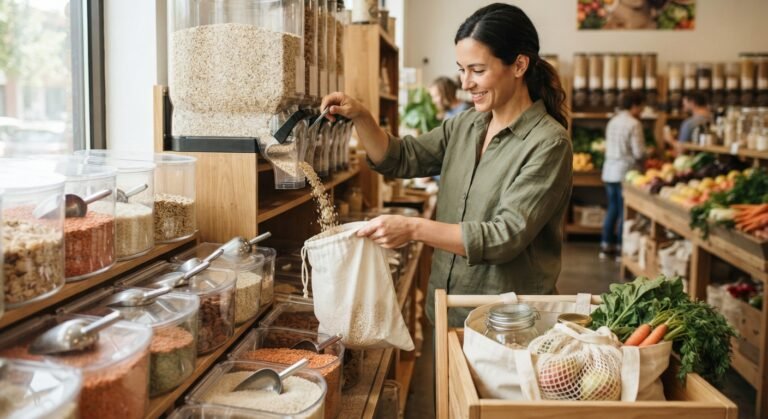
If you buy snacks in bulk, you can skip the tiny individual packs that create so much trash. Bring your own jars or cloth bags to a bulk store, or buy a large bag at the supermarket and portion it at home. Popcorn kernels are cheap and pop on the stove in minutes. For trail mix, combine dry cereal, raisins, pretzels, and a few chocolate chips. Check your school’s rules on nuts before adding them. Portion each serving into a small reusable container so snacks stay fresh and sizes stay sensible.
5. Mini Egg Muffins for Make Ahead Lunch Prep
Busy weeks call for make ahead lunch prep, and egg muffins are one of the easiest ways to do it. Whisk eggs with a little milk, add chopped spinach, cheese, or cooked vegetables, pour the mix into a muffin tin, and bake until set. Let them cool, then store them in the fridge for a few days or freeze them for longer. Pack one or two with an ice pack and a side of fruit. No wrappers, no fuss. Because you bake them all at once, you save time and use up leftover vegetables too.
6. Cheese Quesadilla Pieces: Picky Eater Lunch Ideas That Work
The best picky eater lunch ideas keep things familiar and give kids a bit of control. A plain cheese quesadilla cut into small triangles is a safe starting point. Add a small cup of mild salsa, plain yogurt, or guacamole for dipping, and a few sliced cucumbers on the side. Dipping makes new foods more fun. Offer one food your child loves, one that is okay, and one that is new. Don’t push. Seeing a new food many times, with no pressure, often helps it feel less strange over time.
7. Oat and Honey Bars: Homemade Granola Bar Recipes Made Simple
Most homemade granola bar recipes follow the same easy pattern, and you can adjust them to your child’s taste. Here is the basic method: You might also find our article on Reusable Jar System: 7 Easy Steps for Bulk Food Storage helpful here.
- Mix rolled oats with a nut or seed butter and a sweetener such as honey.
- Stir in chopped dried fruit, seeds, or a few chocolate chips.
- Press the mixture firmly into a lined pan.
- Chill until firm, then cut into bars.
Use sunflower seed butter if your school is nut-free. Store the bars in an airtight container, and wrap each one in a cloth napkin for the lunchbox.
8. Fried Rice Using Leftovers for School Lunch
Using leftovers for school lunch is the simplest way to waste less food at home. Last night’s rice, a handful of frozen peas, a scrambled egg, and a little soy sauce turn into fried rice in about ten minutes. Chopped chicken or tofu works well too. Pack it in a small insulated food jar if you want it warm, or in a regular container if your child likes it cold. Cooked food should be cooled quickly and kept in the fridge, so pack it with an ice pack when needed.
9. Hummus Cups with Veggie Dippers
Hummus is filling, packed with plant protein, and easy to portion. Spoon a few tablespoons into a small silicone cup or the corner of a bento box, then surround it with carrot sticks, snap peas, cucumber slices, and pita triangles. Buy hummus in a large tub rather than single-serve packs, or make your own with chickpeas, lemon, and olive oil. If your child dislikes hummus, try mashed avocado or a mild yogurt dip. The idea stays the same: crunchy vegetables plus something fun to dip them in.
10. Yogurt and Fruit Jar
Finish with an easy one. Fill a small jar with plain or lightly sweetened yogurt, then add berries, chopped banana, or diced peaches. Keep granola or crushed cereal in a separate small container so it stays crisp, and let your child sprinkle it on at lunchtime. A screw-top lid keeps spills away from the rest of the bag. This is one of the more flexible lunchbox ideas for kids, because you can swap the fruit with the seasons. Keep it cold with an ice pack until lunch.
Keep It Simple, Safe, and Realistic
Low-waste packing should never come at the cost of safe food. Keep cold items cold, wash reusable containers every day, and let hot foods cool before packing them. For clear, reliable guidance, check the tips at FoodSafety.gov. Then build a routine that suits your household. Pack the night before, keep a basket of clean containers near the counter, and let your kids pick between two options. The best lunchbox ideas for kids are the ones you can repeat on a tired Tuesday morning. For a related walkthrough, check out Zero-Waste Baking: What to Do with Extra Dough, Egg Whites, and Kitchen “Scraps”.
FAQ: Low-Waste Lunchbox Ideas for Kids
What are the easiest low-waste lunchbox ideas for kids to start with?
Begin with foods that need no special prep: pasta salad, cheese and crackers, sliced fruit, and veggie sticks with a dip. Pack them in containers you already own. Once that feels easy, add reusable wraps or a bento-style box.
How can I reduce plastic in my child’s lunch without spending a lot?
Use what you have first. Clean jars, old yogurt tubs, and cloth napkins all work well. Replace single-use items slowly, one at a time, as they run out. You do not need a full set of new gear on day one.
How do I keep lunch food fresh until noon?
Use an insulated lunch bag with an ice pack for perishable foods such as yogurt, eggs, cheese, and cooked leftovers. Chill the food well before packing it. Keep the bag out of direct sun and away from heat at school.
What if my child comes home with uneaten food?
Treat it as useful information. Note what came back and pack less of it, or try a different form of the same food. Whole, uneaten fruit or sealed items can often be eaten as an after-school snack.
Are reusable containers really better than disposable ones?
Over time, yes, as long as you actually reuse them. Durable containers replace dozens of disposable bags and wrappers. Choose ones your child can open alone, since a container that frustrates them will not last long in the lunch routine.


Really practical ideas! The point that a lunch thrown away isn’t low-waste is a great reminder. The egg muffins and the build-your-own pizza bento are going on my list. Thanks for sharing, Ghani!