
Host a Potluck: 7 Easy Sustainability Rules for Guests
Few gatherings feel as warm and easy as a meal where everyone brings something to share. If you want to host a potluck this season, you already know the fun part. Friends arrive with a casserole, a salad, a tray of cookies, and the table fills itself. The less fun part comes later, when trash bags fill up with paper plates, plastic forks, foil pans, and half-eaten food nobody wants to take home. It doesn’t have to end that way. With a few simple ground rules, shared before anyone turns on an oven, you can cut most of that waste without turning your party into a lecture. The trick is to keep the rules easy, friendly, and clear enough that every guest can follow them.
This guide covers seven sustainability rules that work for real people. That includes busy parents, college roommates, and the cousin who always shows up late with a bag of chips. None of the rules require special equipment or a perfect eco lifestyle. They just ask guests to think one step ahead. When you host a potluck with these habits in place, you’ll probably notice smaller trash bags, fewer sad leftovers, and more conversation about the food itself. Many guests even enjoy the challenge. Below, you’ll find advice on how to write your invite, the seven rules to share, and a plan for cleanup, so the work feels shared instead of landing on the host alone. If you want to dig deeper, our guide on Reducing Food Waste: 7 Essential Tips for Shared Kitchens covers this in more detail.
Why It Pays to Host a Potluck the Sustainable Way
A potluck already has a built-in green advantage. The cooking is spread across many kitchens, and guests often make food from scratch. Still, single-use items and too much food can cancel out those gains fast. The U.S. Environmental Protection Agency offers practical advice on reducing wasted food at home, and much of it applies directly to group meals: plan your amounts, store food safely, and use what’s left. There’s a social benefit too. Clear rules remove the guesswork. Guests don’t have to wonder whether to bring paper plates or how much pasta salad is too much. If you host a potluck with a short list of shared expectations, you make it easier for people to help.
Get Your Potluck Invitation Wording Right
Good potluck invitation wording sets the tone before anyone shops for ingredients. Keep it warm and short, and present the rules as a fun group effort, not a list of demands. People respond better to “Let’s keep this party low-waste together” than to “No plastic allowed.” Put the rules in the invite itself, not in a follow-up message that gets buried in a group chat. A shared online sign-up sheet also helps, because guests can see what others are bringing. That way you avoid five versions of the same dip. Here’s a simple sample you can adapt:
“Hi friends! Dinner at my place this Saturday at 6 p.m. We’re trying a low-waste party this time. Please bring your own plate, cup, and fork if you can, plus a container for leftovers. Sign up for a dish at the link below so we don’t end up with six bowls of guacamole. Can’t wait to eat with you!”
Whatever style you choose, make sure your invite includes these basics: This connects closely with another common issue — see Zero-Waste Baking: What to Do with Extra Dough, Egg Whites, and Kitchen “Scraps” for more on that.
- Date, time, and address, plus the expected number of guests
- A sign-up link with dish categories like mains, sides, salads, and desserts
- The seven rules, written as one short line each
- A request for allergy information, so cooks can plan ahead
7 Easy Sustainability Rules for Guests
Share these rules with your guests in the invitation or the sign-up sheet. Each one is small on its own. Together, they change how the whole evening feels, from the first plate to the last dish in the sink.
Rule 1: Bring Your Own Plate, Cup, and Cutlery
Reusable tableware ideas don’t need to be fancy, and this rule is the one that makes the biggest visible difference. Ask each guest to bring a plate, a cup, and a set of cutlery from home. Some people like to pack a cloth napkin too. It’s a little unusual the first time, but guests quickly find it charming, and mixed plates make the table look colorful and personal. For anyone who forgets, keep a backup stack of your own dishes ready. A few simple options work well:
- Enamel or melamine camping plates, which are light and hard to break
- Mason jars or old jam jars as drinking glasses
- A cutlery roll made from a dish towel and a rubber band
- Cloth napkins or clean, mismatched kitchen towels
Rule 2: Cook With Local Seasonal Ingredients
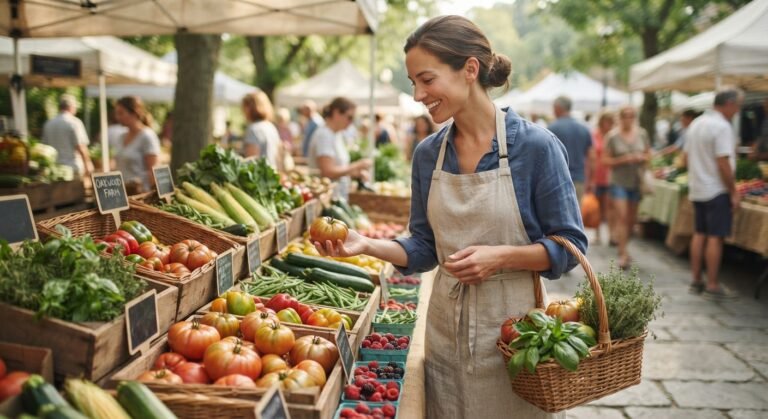
Asking guests to cook with local seasonal ingredients when they can is one of the easiest rules to love. Food that’s in season usually tastes better, often costs less, and gives the meal a natural theme. Think tomato and corn salads in summer, roasted squash in autumn, or citrus desserts in winter. A farmers market, a farm stand, or even the “local” signs at the grocery store can point guests in the right direction. Keep this rule flexible, though. Not everyone has easy access to markets, and nobody should feel guilty about using canned beans or frozen vegetables. The goal is a small nudge toward fresher, closer food, not a strict test.
Rule 3: Lean Toward Plant Based Potluck Dishes
Plant based potluck dishes are quiet heroes at any shared meal. You don’t need to ban meat. Just ask guests to consider a vegetable, grain, or bean dish, or to make at least half the table plant-forward. These dishes tend to travel well, hold up at room temperature, and suit many diets at once. That matters at a party with mixed groups, where some people may be vegetarian, vegan, or avoiding certain foods for religious or health reasons. Popular choices include lentil salad, black bean chili, roasted vegetable trays, hummus with fresh bread, and grain bowls with herbs and lemon. When more guests can eat more dishes, less food gets left untouched at the end of the night. You might also find our article on Low Waste Snacks: 7 Easy Homemade Ideas with Less Sugar helpful here.
Rule 4: Bring the Right Amount, Not a Mountain
The simplest way to reduce party food waste is to match portions to the crowd. At a potluck, guests take small spoonfuls from many dishes, so nobody eats a full serving of everything. That means each cook usually needs to make less than they would for a normal dinner. Share the expected headcount in your invite so guests can plan. A helpful rule of thumb many hosts use is to ask each person to bring enough for roughly half the guest list, then adjust based on the type of dish. Of course, this varies. A big main course needs more than a small dessert, and hungry teenagers change the math. When in doubt, a slightly smaller batch is better than a fridge full of leftovers nobody wants.
Rule 5: Label Your Dish and Its Ingredients
A simple label can prevent a surprising amount of waste. When guests don’t know what’s in a dish, many simply skip it, especially people with allergies or dietary limits. Ask each cook to bring a small card with the dish name and its main ingredients. Flag common allergens such as nuts, dairy, eggs, gluten, and shellfish. To keep things low-waste, use a reusable chalkboard tag, a folded card from your recycling bin, or a strip of masking tape on the dish. Ask guests to bring their own serving spoon, too. That way each dish arrives ready to serve, and you don’t need to hunt for twelve extra spoons while people wait in line with empty plates.
Rule 6: Pack a Container for Leftovers
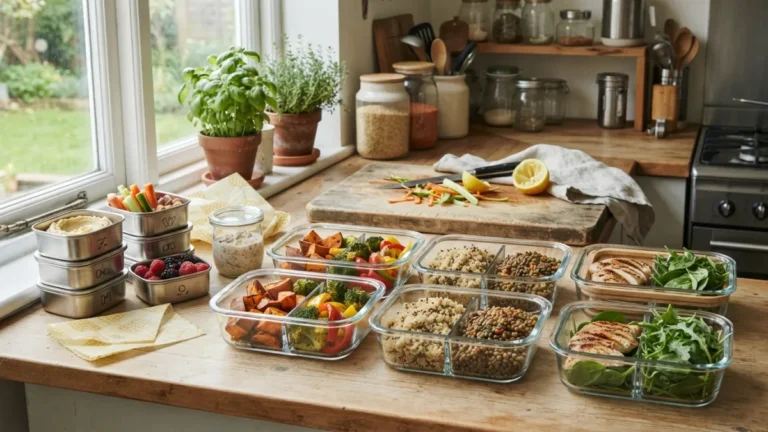
These leftover sharing tips start before the party even begins. Ask every guest to bring one clean, empty container with a lid. At the end of the night, people can fill their containers with whatever dishes they enjoyed most. It turns leftovers into a friendly swap instead of a burden for the host. Keep food safety in mind, too. Perishable food shouldn’t sit out for too long, and FoodSafety.gov offers clear guidance on safe handling and storage. Put hot dishes back in the fridge or on low heat once everyone has eaten. If you have extra food nobody claims, think about a neighbor, a coworker, or a local community fridge that accepts home-cooked meals, if one exists in your area.
Rule 7: Help Sort Scraps and Recycling
Composting food scraps is the final step that keeps the most waste out of the trash. Set up three clearly labeled bins near the food table: one for compost, one for recycling, and one for trash. Use simple words or pictures so guests can sort without thinking too hard. Fruit peels, vegetable trimmings, coffee grounds, and plain napkins can often go into the compost, depending on your setup. If you’re new to it, the EPA has a helpful overview of composting at home. No backyard bin? Check whether your city runs a food scrap collection program, or ask a gardening friend if they’d like the scraps. Many gardeners are happy to say yes. For a related walkthrough, check out Ugly Produce: 10 Easy Recipes to Cut Food Waste Fast.
Your Role as Host: Planning a Zero Waste Potluck Without Stress
A truly zero waste potluck is a goal, not a test you pass or fail. As the host, your job is to make the rules easy to follow, then relax. Prepare a few backup items, such as spare plates, extra jars, and cloth napkins, for guests who forget. Fill a big pitcher with water instead of buying bottled drinks. Clear counter space for dishes, and keep a dish tub ready so people can rinse their plates before they go home. Most importantly, never shame anyone who shows up with a paper cup. A friendly “No worries, grab a jar from the shelf” works much better than a sigh. When you host a potluck with patience and good humor, guests want to come back and try again.
Make Sustainability a Party Tradition
The first green potluck might feel a little new. By the second or third, the habits start to feel normal. Guests remember their plates, the sign-up sheet fills faster, and the leftover swap becomes the part everyone looks forward to. You might even notice friends bringing these rules to their own gatherings, which is the best kind of success. The beauty of this approach is that nothing about it is complicated. It’s just good planning, shared clearly, with a little kindness. So pick a date, send that invite, and set out the bins. The next time you host a potluck, you may find the cleanup takes half the time, and the conversation lasts twice as long.
Frequently Asked Questions
How far in advance should I share the sustainability rules?
Send the rules with the invitation, ideally at least a week before the event. That gives guests time to find containers, plan their dish, and shop with the rules in mind. A short reminder a day or two before helps people who forget.
What if a guest forgets their own plate or container?
Keep a small backup supply of your own plates, cups, cutlery, and jars. Hand them over with a smile. The goal is to make the party greener, not to make anyone feel embarrassed.
Can I host a potluck sustainably in a small apartment?
Yes. Use a few stackable bins for sorting, wash dishes in batches during the party, and ask guests to take their plates home to wash. If you can’t compost, check for a local food scrap drop-off point or skip that step and focus on the other rules.
Do all the dishes need to be vegetarian?
No. Encourage more vegetable, bean, and grain dishes, but let guests choose. A mix of options usually works best and helps more people find something they can eat.
How do I keep leftovers safe to share?
Don’t leave perishable food out for long, and put it back in the fridge once everyone has eaten. Use clean, lidded containers for take-home portions, and follow trusted food safety guidance when you’re unsure.