Zero Waste Baby Care: 10 Simple Swaps for New Parents
The first few weeks with a newborn bring sleepless nights, tiny socks everywhere, and a trash can that seems to fill itself every few hours. If you have ever looked at that overflowing bin and wondered whether there is a better way, zero waste baby care might be the answer you are looking for. It does not mean living like a monk or making everything by hand. It means making a few smart choices that cut down on single-use stuff, save money over time, and still leave you enough energy to enjoy your baby.
Here is the good news: you do not need to change everything at once. Most parents who stick with this lifestyle start small, with one or two swaps that fit their routine, and build from there. Some families go all in with cloth diapers from day one. Others simply stop buying paper towels and pouches. Both approaches count. This guide walks you through ten realistic changes, explains what each one involves, and is honest about the trade-offs. Think of it as a menu, not a rulebook. Pick what works for your home, your budget, and your sleep level, and skip the rest without guilt. If you want to dig deeper, our guide on Plastic-Free Pet Care: Low-Waste Ideas for Cats and Dogs covers this in more detail.
Why Zero Waste Baby Care Is Easier Than It Sounds
Babies create a surprising amount of waste in a short time, and much of it comes from products designed to be used once and thrown away. Diapers, wipes, food pouches, plastic packaging and fast-outgrown gear all add up. According to the U.S. Environmental Protection Agency’s data on materials, waste and recycling, disposable diapers make up a noticeable share of the household waste that ends up in landfills. The upside is that baby life is full of repeat tasks. You change diapers, wipe hands and feed meals many times a day. That repetition is exactly why zero waste baby care works so well: one reusable item replaces hundreds of disposable ones, and the habit forms quickly.
10 Zero Waste Baby Care Swaps That Actually Work
The list below moves from the biggest sources of trash to the smaller, easier wins. You will find practical tips for each swap, plus a few safety notes where they matter.
1. Learn the Cloth Diapering Basics
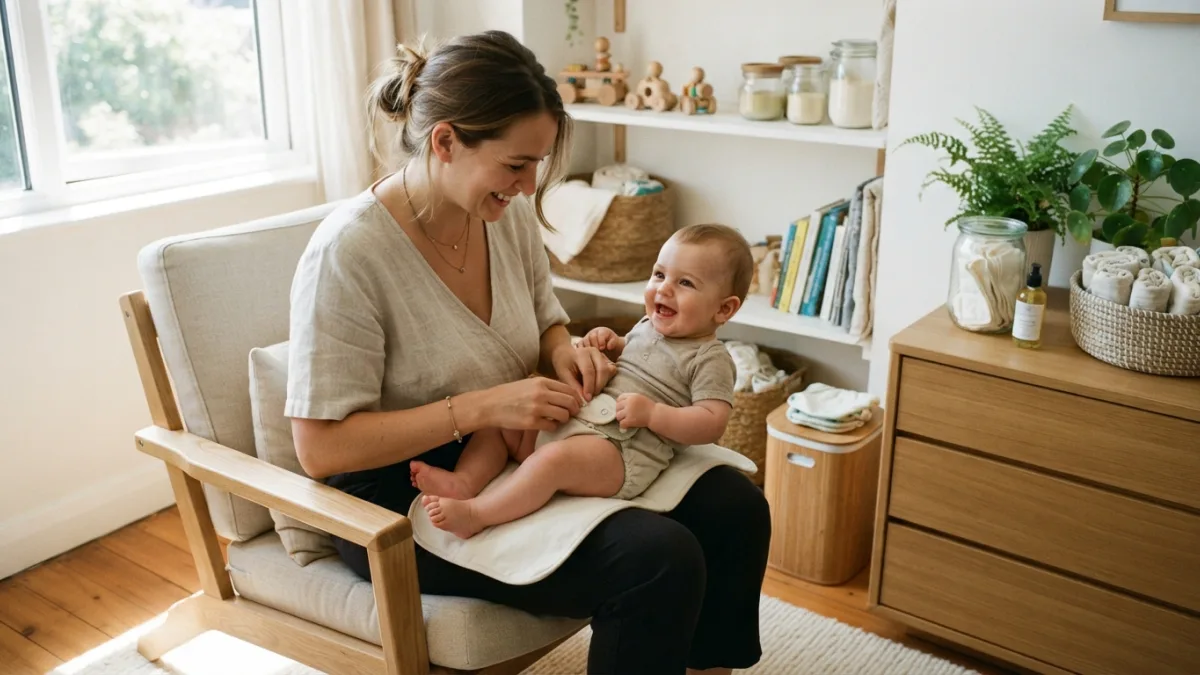
Getting comfortable with cloth diapering basics is the single biggest step most families can take to reduce baby trash. A baby goes through a lot of diapers before potty training, and a good cloth stash can be washed and reused for years, sometimes for more than one child. Modern cloth diapers are not the pins-and-plastic-pants setup your grandparents remember. Most use snaps or hook-and-loop closures and come in several styles. You will need a lidded pail or wet bag, a reliable wash routine, and some patience during the first week. Many parents use disposables at night or while traveling, and that is completely fine. The overview of cloth diapers on Wikipedia offers a helpful background on the different types and how they developed.
Here is a quick look at the most common styles to help you choose:
| Diaper style | How it works | Good for | Trade-offs |
|---|---|---|---|
| Prefolds and covers | A flat, layered cotton pad folded into a waterproof cover | Tight budgets and fast drying | Takes some practice to fold |
| Pocket diapers | A waterproof shell with an absorbent insert stuffed inside | Adjustable absorbency | Inserts must be stuffed after every wash |
| All-in-ones | Shell and absorbent layers sewn together | Caregivers who want simplicity | Usually cost more and dry slower |
| Hybrids | Reusable shell with either cloth or disposable inserts | Families who want flexibility | Disposable inserts still create some waste |
2. Switch to Reusable Baby Wipes
If you are already washing cloth diapers, adding reusable baby wipes takes almost no extra effort. They go straight into the same pail and the same wash. Even if you use disposable diapers, cloth wipes are an easy entry point. You can buy soft flannel or cotton squares, or simply cut up old T-shirts and receiving blankets. Most parents keep a small spray bottle of plain water nearby, or store a stack of damp wipes in a sealed container. Keep it simple. Babies, especially newborns, often do well with nothing more than water. Cloth wipes also work for sticky hands, messy faces after meals, and spit-up on your shoulder, so you will reach for them all day long. This connects closely with another common issue — see Zero-Waste Party Planning: Hosting Birthdays and Gatherings Without Single-Use Plastics for more on that.
3. Make Homemade Baby Food
When your baby starts solids, homemade baby food can cut out a mountain of pouches, jars and plastic tubs. You do not need special equipment. A fork, a blender, and an ice cube tray will carry you a long way. Steam or roast vegetables and fruits, mash or blend them, then freeze small portions for later. As your baby grows, you can simply set aside a little of the family meal before adding salt or strong spices. A few safety basics matter here: do not give honey to babies under one year old, avoid adding salt or sugar, and talk to your pediatrician about when and how to introduce common allergens. The American Academy of Pediatrics shares trusted feeding guidance on its parent site, HealthyChildren.org.
4. Buy Secondhand Baby Clothes
Babies grow so fast that some outfits get worn only a handful of times, which makes secondhand baby clothes one of the easiest wins in zero waste baby care. Many items in thrift shops and online parent groups still look almost new. Ask friends and relatives with older kids if they have bags they want to pass on. Most do. Focus on simple pieces, such as onesies, sleepers and soft pants, rather than outfits with lots of buttons and decorations. Wash everything before use, check for loose buttons or snaps that could be a choking hazard, and pass items along again when your baby outgrows them. This keeps clothes in use longer and keeps money in your pocket.
5. Choose Plastic Free Baby Feeding Gear
Moving toward plastic free baby feeding is easier than ever, because many families now look for glass, stainless steel and silicone options. Glass bottles with protective silicone sleeves last a long time and are simple to clean. Stainless steel bowls and cups survive being dropped, thrown and chewed. For on-the-go snacks, try small steel containers instead of single-serve packs. You do not have to replace every plastic item you already own. Use what you have until it wears out, then upgrade. If you breastfeed, washable nursing pads are a quiet but useful swap that saves a steady stream of disposables. Small steps here add up across thousands of meals.
6. Build a Minimalist Baby Registry
A minimalist baby registry helps you avoid a pile of gifts you will never use, and the packaging that comes with them. Before you add anything, ask a simple question: will we actually use this every week? Many newborn gadgets end up barely touched. Instead, consider listing practical items that support your zero waste baby care goals, such as:
- Cloth diapers, covers and wet bags
- A diaper service or laundry help for the first months
- Stainless steel or glass feeding gear
- Quality, long-lasting items like a convertible crib
- Gift cards for secondhand shops or prepared meals
You can also kindly tell relatives that used items are welcome. Many people are happy to hear it. You might also find our article on Zero-Waste Moving Day: Packing, Unpacking, and Decluttering Without Trash Bags helpful here.
7. Keep Natural Baby Skincare Simple
When it comes to natural baby skincare, less is often more. Newborn skin is delicate, and babies usually need far fewer products than store shelves suggest. Gentle, fragrance-free basics in larger containers create less packaging waste than lots of small bottles. Some parents choose bar soaps or refillable options to cut plastic even further. Be careful with the word “natural,” though. It does not automatically mean safe for babies. Essential oils and some plant-based ingredients can irritate young skin. If your baby has eczema, rashes or dry patches, ask your pediatrician before trying anything new. Simple, unscented and tested on a small area first is a smart rule.
8. Pick Eco Friendly Baby Toys
Babies do not need a room full of plastic to be happy, which makes choosing eco friendly baby toys a pleasant swap. Wooden blocks, cloth books, simple rattles and natural rubber teethers can last for years and often get passed down. Honestly, many babies prefer kitchen items like wooden spoons and stacking cups anyway. Try a toy rotation: keep a small basket out and store the rest, then swap them every week or two. Old toys feel new again, and you buy less. Always check that toys fit your baby’s age, have no small parts, and use child-safe finishes. Toy libraries and swap groups are also great ways to keep things fresh without adding clutter.
9. Replace Disposable Bibs, Changing Pads and Paper Towels
Many small single-use products sneak into baby routines without anyone noticing. Disposable bibs, changing pad liners, burp cloths and endless paper towels create a steady stream of trash. Washable versions do the same job and simply join your regular laundry. Keep a stack of cotton cloths in the kitchen, near the changing table and in your diaper bag. Silicone bibs with a catch pocket wipe clean in seconds and handle messy meals well. A waterproof washable changing mat works at home and on the go. None of these swaps require new skills. They just require having enough clean cloths within reach when the next mess happens, which it will.
10. Borrow, Rent or Share the Big Gear
Strollers, bouncers, baby carriers and high chairs take up space and are used for a fairly short time. Borrowing from friends, joining a local parent group or renting gear can be a strong part of zero waste baby care, and it saves a lot of money. Before using secondhand gear, check the U.S. Consumer Product Safety Commission’s recall database to make sure the model has not been recalled. Cribs and sleep products deserve extra attention, so confirm they meet current safety standards. Car seats are a special case. Safety experts generally advise against using one unless you know its full history, including whether it has been in a crash and when it expires.
How to Stick With It Without Burning Out
The best eco-friendly routine is the one you can actually maintain while caring for a newborn. Some weeks you will run out of clean diapers, buy a pack of wipes, or order takeout in plastic containers. That is normal life, not failure. The goal of zero waste baby care is progress, not perfection. Start with the swaps that feel easiest, maybe wipes and secondhand clothes, and add more once your routine settles. Share the work with your partner or family so laundry does not fall on one person. Over time, you may notice fewer trips to the store, a lighter trash bag, and a home that feels calmer and less crowded. That is a real win. For a related walkthrough, check out Zero Waste Budget: 7 Easy Ways to Cut Trash and Save Money.
Frequently Asked Questions
Is zero waste baby care more expensive?
Some items, like cloth diapers or glass bottles, cost more at the start. Over time, reusable products and secondhand shopping usually save money because you stop buying disposables again and again.
Do cloth diapers really work for newborns?
Yes, many families use them from birth. Newborn-sized diapers or prefolds tend to fit best in the early weeks. Expect a short learning curve with folding and washing.
Are secondhand baby products safe?
Most clothes, toys and books are perfectly safe after washing. For gear like cribs and strollers, check for recalls and damage. Avoid used car seats unless you know their full history.
What is the easiest swap to start with?
Cloth wipes and washable burp cloths are simple first steps. They need no special skills and fit easily into your normal laundry routine.
Can I go zero waste if I use disposable diapers?
Absolutely. Zero waste baby care is about reducing trash where you can. Homemade food, secondhand clothes and reusable feeding gear still make a meaningful difference, even if diapers stay disposable.