Sustainable Razor Options: 3 Best Picks for Zero Waste
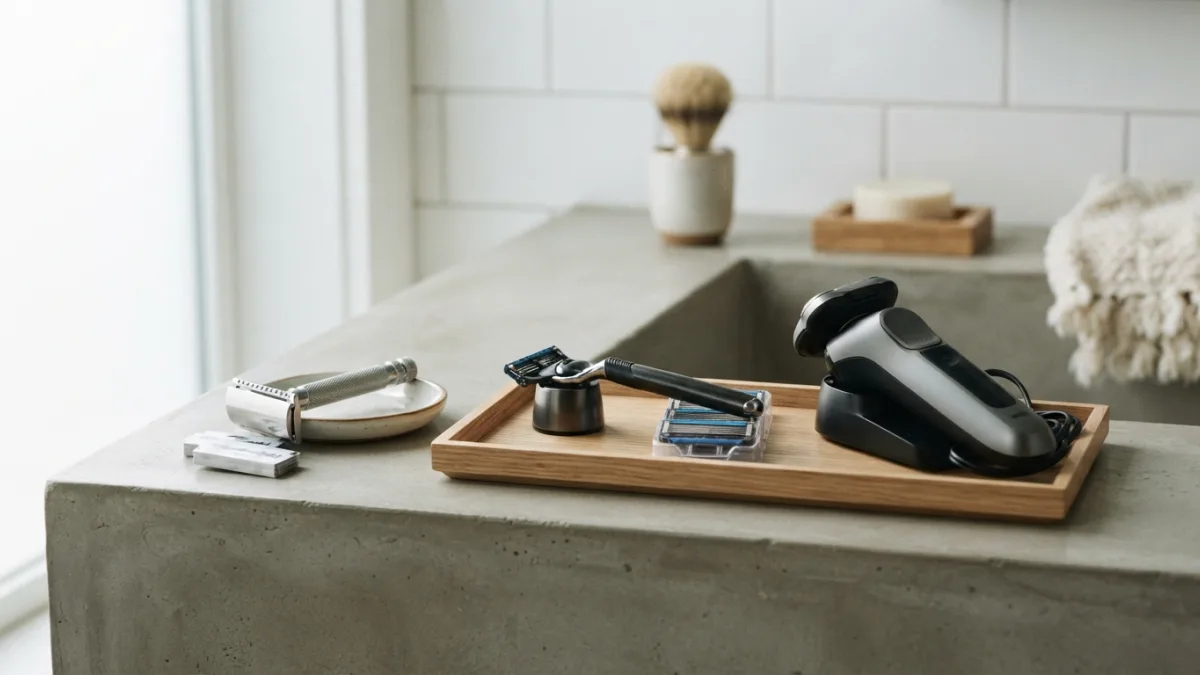
Every morning, millions of people reach for a razor without thinking twice about where it ends up. That small habit adds up fast, which is why sustainable razor options have moved from niche eco-blogs into mainstream bathroom conversations. The choice usually comes down to three families: the classic metal safety razor, the modern plastic cartridge system, and the rechargeable electric shaver. Each one has real strengths, real trade-offs, and a very different environmental footprint over ten or twenty years of use. Cost matters too, and so does your skin. Below, we break down all three honestly — no greenwashing, no pretending a razor will save the planet on its own — so you can pick the one that fits your face, your budget, and your waste bin.
Why Shaving Has a Waste Problem
Disposable razors and plastic cartridges are small, cheap, and almost impossible to recycle. They mix steel, rubber, and several types of plastic in one sealed unit, and most municipal recycling programs will not accept them. The blades also make them a safety hazard for sorting workers. That combination is why cartridge razor waste tends to go straight to landfill or incineration. The wider issue is familiar: single-use products designed for convenience rather than repair. The U.S. Environmental Protection Agency’s guidance on sustainable materials management pushes in the opposite direction, favoring durable goods and reduced material use. Shaving is a perfect test case, because the only part that genuinely wears out is a thin piece of steel. If you want to dig deeper, our guide on Best Low-Waste Laundry Detergent Options: Strips, Powders, and Concentrates covers this in more detail.
Pick 1: The Safety Razor — The Classic Zero-Waste Choice
A double-edge safety razor is a solid metal handle with a head that holds one thin, replaceable blade. The design dates back more than a century and has barely changed, which tells you something. Among sustainable razor options, this is the one closest to true plastic free shaving: the handle can last decades, the packaging is usually paper or card, and the blades are single-material steel. Blades cost a few cents each rather than several dollars. The learning curve is real — you hold the razor at a shallow angle and let its weight do the work, without pressing — but most people adapt within a week or two.
Safety Razor Benefits Beyond the Bin
The environmental case is strong, but the safety razor benefits go further. Many users report fewer ingrown hairs, because a single blade cuts the hair at the surface instead of tugging it slightly out of the follicle first. The metal build feels substantial, and a good handle can be passed down rather than replaced. Running costs drop sharply after the first purchase. On disposal: used blades should never go loose into a recycling bin or trash bag. Collect them in a metal blade bank or a sealed tin, then check your local rules for sharps or scrap metal. Once full, that little container of steel is genuinely recyclable in most places — unlike a pile of cartridges.
Pick 2: Cartridge Systems — Convenient, Improvable, Still Wasteful
Cartridge razors dominate for a reason. They pivot, they glide, they forgive bad technique, and they cause fewer nicks for beginners and anyone shaving large areas quickly. If you have sensitive skin, tricky angles, or limited time, the convenience is not trivial. The problem is structural. Each cartridge bundles multiple blades, a lubricating strip, and plastic housing into a unit that cannot be separated at end of life. Buy a fresh one every week or two, and the annual pile is significant. Cartridge razor waste is also expensive waste — replacement heads are one of the priciest consumables in the bathroom, sometimes costing more per shave than the coffee you drink afterward. This connects closely with another common issue — see Honest Review of Popular Zero-Waste Starter Kits: What You’ll Actually Use for more on that.
How to Make a Cartridge Razor Less Damaging
If you are not ready to switch, you can still cut the impact considerably:
- Keep the handle for years. Never buy fully disposable razors, where the whole thing goes in the bin.
- Extend blade life. Rinse well, dry the head after each shave, and store it away from steam. Corrosion dulls blades faster than hair does.
- Choose refill brands with metal handles and paper-based packaging where available.
- Look for a specialist take-back scheme in your country, since normal kerbside recycling will not take cartridges.
- Shave with proper lather. Better lubrication means less dragging, which means fewer replacements.
Pick 3: Electric Shavers — Low Waste Per Shave, Higher Upfront Impact
Electric shavers flip the equation. There is no blade to throw away every week, no shaving cream, and very little water use. A quality foil or rotary shaver can run for years on the same cutting heads, and the electricity used per shave is tiny. That makes them attractive among sustainable razor options for anyone who shaves daily and values speed. The catch sits at both ends of the product’s life. Manufacturing an electric shaver involves motors, circuit boards, and a lithium-ion battery, all of which carry a heavier production footprint than a lump of stainless steel. And when the device dies, it becomes e-waste.
Electric Shaver Lifespan and Repairability
The deciding factor is electric shaver lifespan. Spread the manufacturing impact across seven or eight years of daily use and it looks reasonable; replace the device every two years because the battery degraded and cannot be swapped, and the maths turns ugly. Before buying, check whether the brand sells replacement heads and, ideally, replacement batteries. Sealed, unrepairable models are the worst offenders. When a shaver finally fails, it belongs in an electronics recycling stream, not the household bin — the EPA’s recycling guidance and most local councils explain where to take small appliances. Europe’s right-to-repair momentum is slowly pushing manufacturers toward replaceable parts, which should help future buyers. You might also find our article on Best Plastic-Free Dishwashing Kits: Solid Dish Soap, Brushes, and Cloths Compared helpful here.
Comparing the Three Sustainable Razor Options Side by Side
| Factor | Safety Razor | Cartridge System | Electric Shaver |
|---|---|---|---|
| Upfront cost | Moderate | Low | High |
| Long-term running cost | Very low | High | Low to moderate |
| Plastic waste | Almost none | High | Low per shave |
| Recyclability at end of life | Excellent (steel) | Poor | E-waste stream only |
| Learning curve | Noticeable | Minimal | Minimal |
| Closeness of shave | Very close | Very close | Less close |
| Typical lifespan of device | Decades | Years (handle) | 3–10 years |
How to Choose the Right Option for You
There is no single winner, and anyone telling you otherwise is selling something. Weigh three questions: how often you shave, how much surface area you cover, and how much patience you have for technique. Daily shavers who want speed often land on electric. People who enjoy the ritual, want the lowest waste, and like saving money over time tend to prefer the safety razor. If you travel constantly or shave sensitive areas, a cartridge may still be the practical answer, and that is fine — an occasional cartridge is better than a badly used metal blade that leaves you bleeding. The greenest choice, frankly, is the one you will actually keep using.
Small Swaps That Multiply the Benefit
Your razor is one piece of a bigger picture. Pairing it with a few zero waste bathroom swaps compounds the effect without much effort. Shaving soap in a tin or a solid bar removes aerosol cans and plastic bottles from the routine, and a small brush builds better lather with less product. Turn the tap off between passes; the water saved over a year outweighs almost everything else in your shaving routine. Store blades dry to make them last longer. Buy once, buy well, then repair instead of replacing. None of these moves require a personality change — they just require noticing the waste that habit has made invisible.
The Bottom Line
Sustainable razor options are not about perfection; they are about reducing the number of objects that live in your bathroom for a month and in a landfill for centuries. The safety razor is the strongest all-round pick for cost and waste. A well-maintained electric shaver makes real sense for daily shavers who keep it for years and recycle it properly. Cartridge systems sit last on environmental grounds, though smarter habits soften the blow. Pick one, use it until it genuinely wears out, and dispose of the parts correctly. That single decision, repeated every morning for a decade, matters far more than which brand sits on the shelf. For a related walkthrough, check out Bamboo vs. Plastic Toothbrushes: Is the Switch Worth It?.
Frequently Asked Questions
Are safety razors really safe for beginners?
Yes, with a short adjustment period. Use no pressure, hold the razor at a shallow angle, and shave with the grain on the first pass. Nicks usually come from pressing down out of habit. Starting with a mild, closed-comb head and a less aggressive blade makes the first weeks much easier.
Can you recycle cartridge razor heads?
Not through normal kerbside recycling. The mix of bonded plastic, steel, and rubber makes separation impractical, and loose blades are dangerous for sorting staff. Some manufacturers and specialist collection programs accept them by mail, so check what operates in your country before assuming they can be recycled.
Is an electric shaver more sustainable than a safety razor?
Usually not, though it depends on lifespan. A safety razor produces almost no waste beyond a small amount of recyclable steel. An electric shaver has a heavier manufacturing footprint and eventually becomes e-waste, but it performs well if you keep it for many years and replace only the heads.
How do I dispose of used safety razor blades?
Collect them in a sealed metal tin or a purpose-made blade bank so nobody can be cut. Never drop loose blades into a bin bag or recycling box. When the container is full, follow your local rules for sharps or scrap metal — many areas accept sealed metal containers of blades.
Does switching to plastic free shaving cost more?
Only at the start. A metal handle and a soap bar cost more upfront than a cheap plastic razor, but replacement blades are dramatically cheaper than cartridges. Most people recover the initial outlay within a few months and save money every year after that.