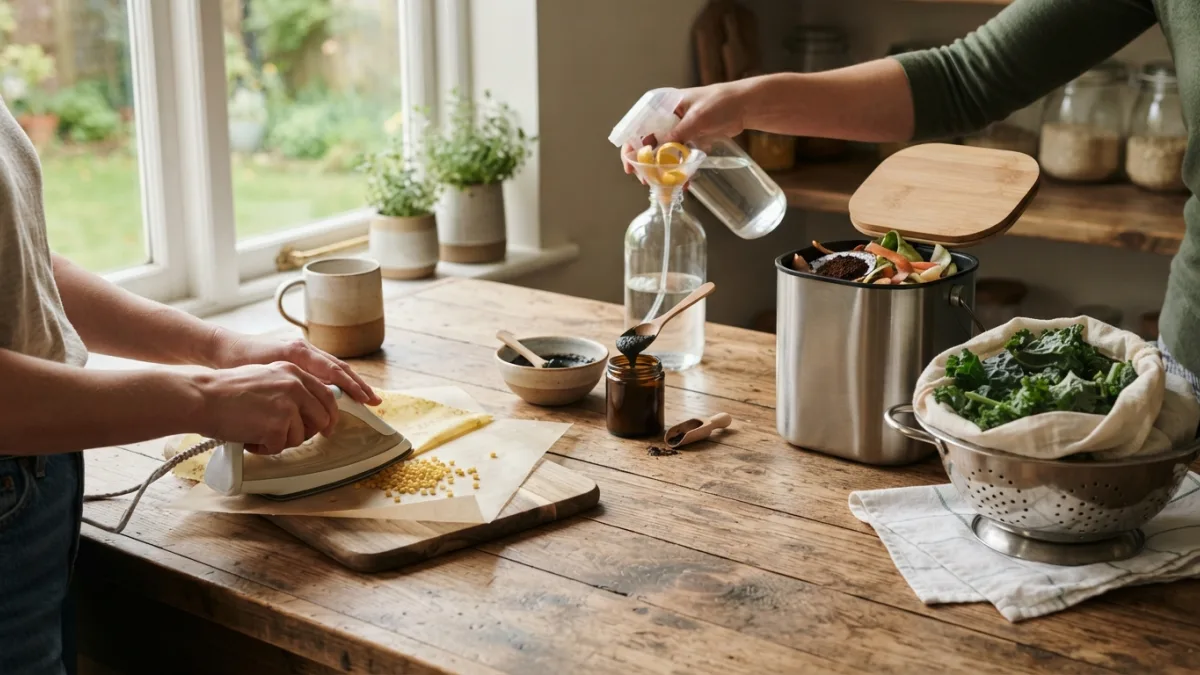
Zero Waste Challenges: 5 Easy Weekend Experiments to Try
Your trash can tells a story, and most of us don’t love reading it. Zero waste challenges turn that guilt into action by asking you to change one small thing at a time. You don’t need a bulk store, a shelf of matching jars or a picture-perfect kitchen. You need a free weekend and a bit of curiosity. This guide gives you five short experiments, one for each part of your home, so you can test what actually fits your life. Some will stick. Some won’t. Both results teach you something, and neither one means you failed.
Set the Ground Rules First
Good sustainable living experiments are small, cheap and easy to measure. Before you start, agree on a few rules with yourself, and with your household if you share a home. The goal is to learn, not to look flawless. The idea behind the movement is simple: send less to the landfill by reusing, repairing and rethinking what you buy. You can read a short overview of the zero waste concept on Wikipedia if you want the background. For this weekend, keep it practical: If you want to dig deeper, our guide on How to Reduce Food Waste at Home (Practical Guide) covers this in more detail.
- Use what you already own before you buy anything new.
- Change one thing per experiment, not ten.
- Write down what happened, even if it is only one line.
Five Zero Waste Challenges for One Busy Weekend
Each experiment below takes about an hour or less, and you can do them in any order. Saturday morning works well for the bathroom and the fridge, because you can see the results right away. Saturday afternoon suits the shopping trip. Save the cleaning and compost projects for later in the day, when you have more energy for hands-on work. Think of these as tests, not promises. If an idea doesn’t work for your home, drop it and move on. That is exactly how you find habits you will keep.
Experiment 1: Plastic Free Bathroom Swaps
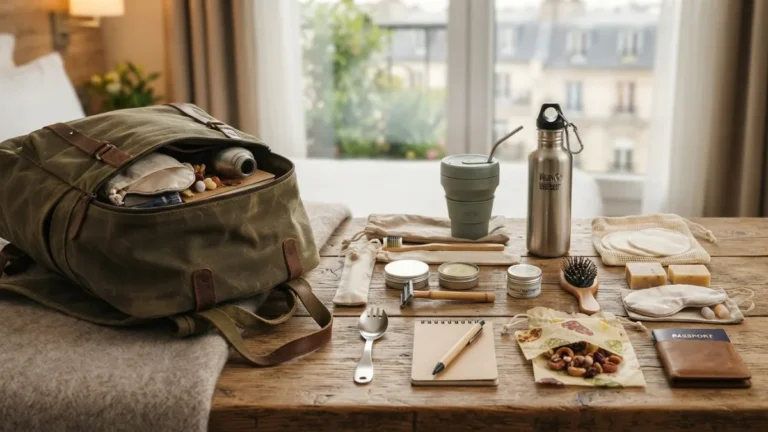
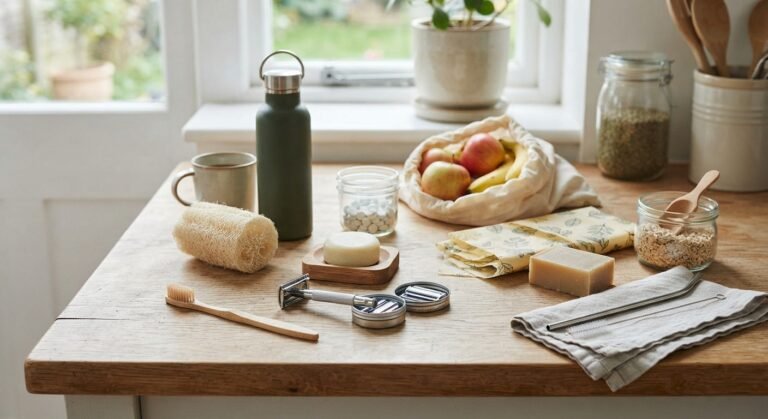
The bathroom hides a surprising amount of single-use packaging, so try a few plastic free bathroom swaps this weekend. Start by looking at what you actually throw away: empty shampoo bottles, tubes, razors, cotton swabs. Then pick one or two replacements. A bar of soap, a shampoo bar, a bamboo toothbrush or a metal safety razor are common starting points. Here is the key rule: finish what you have first. Throwing away a half-full plastic bottle creates more waste, not less. Use the experiment to plan your next purchase, and notice how the new product feels in daily use.
Experiment 2: Food Waste Reduction Tips for a Fridge Rescue
Food is often the biggest source of waste in a home kitchen, so this experiment is a fridge rescue. Pull everything out and sort it into three piles: eat today, freeze, and toss. Move the “eat soon” items to the front, at eye level. Turn wilted vegetables into soup, stir-fry or a quick pasta sauce, and freeze bread, ripe bananas and leftover cooked rice before they spoil. The U.S. Environmental Protection Agency shares more ideas for reducing wasted food at home. Plan three meals around what you find, and you will probably save money too. This connects closely with another common issue — see Zero-Waste Swaps for Beginners: Where to Start for more on that.
Experiment 3: Low Waste Grocery Shopping Run
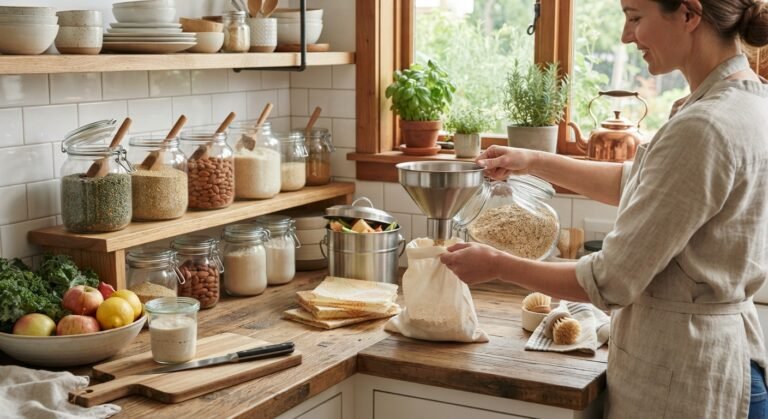
Your grocery trip is where most packaging enters your home, so try low waste grocery shopping as a one-trip test. Check your pantry first and write a short list. Then pack your reusable kitchen essentials: cloth bags, a few clean jars or containers, and produce bags if you like them. Buy loose fruit and vegetables, and choose bulk bins or paper packaging when a store offers them. Ask staff whether they allow your own containers, because rules differ from shop to shop. Afterward, count how many wrappers you brought home compared with a normal week.
Experiment 4: Homemade Cleaning Products
Homemade cleaning products are a cheap way to cut down on plastic bottles. Fill a spray bottle with equal parts water and white vinegar for windows, counters and sinks. For stubborn spots, mix baking soda with a little water to make a gentle scrub. Test on a small hidden area first. Skip vinegar on natural stone such as marble, because it can damage the surface. Never mix vinegar with bleach, and never combine different cleaners in the same bottle. Keep a label on every bottle you refill. If the results don’t impress you, that is fine. Now you know.
Experiment 5: Home Composting for Beginners
Home composting for beginners can be simpler than it sounds. Put a small lidded container on your counter and fill it with fruit and vegetable scraps, coffee grounds and eggshells. Keep meat, fish and dairy out of a basic pile, since they can attract pests and cause smells. If you have a yard, the EPA explains how to start composting at home. No garden? Check whether your city runs a food scrap drop-off or collection, or keep scraps in the freezer until you can take them there. You might also find our article on Zero-Waste Party Planning: Hosting Birthdays and Gatherings Without Single-Use Plastics helpful here.
Sunday Evening: Mending Clothes at Home
Mending clothes at home is a quiet, satisfying way to end the weekend. Grab a basket of clothes you have been ignoring: a loose button, a small hole in a sock, a coming-apart hem. Thread a needle and fix one item. You only need basic stitches, and a short video tutorial can walk you through the rest. Fixing a favorite shirt takes far less time than shopping for a new one, and it keeps fabric out of the trash. Even if your stitches look clumsy, the shirt still works. That small win often motivates people more than any big plan.
Check Your Results Before Monday
On Sunday night, look back at your notes. Which of your zero waste challenges felt easy? Which one annoyed you? Rate each experiment on a simple scale of one to five for effort and for impact. Then choose one habit to keep for the next month, and let the others rest. Maybe the fridge rescue saved you a lot of food, or the shampoo bar felt strange in the shower. Both pieces of information are valuable. A small habit you keep for six months beats five big changes you drop after two weeks.
Common Mistakes to Avoid
Most people stumble in the same few places. They buy a pile of new “eco” products before using up the old ones, which defeats the purpose. They also aim for perfection, then quit after one slip. Another trap is copying someone else’s routine without checking whether it fits their home, budget or local services. Compost rules, recycling systems and store policies vary a lot between places. Take what works, skip what doesn’t, and don’t compare your bin to a stranger’s photo online. Progress in a normal, messy home still counts. For a related walkthrough, check out Zero-Waste Morning Routine: 12 Everyday Swaps Before 9 a.m..
Small Steps, Real Habits
You don’t need to overhaul your life to make a difference at home. A weekend of zero waste challenges shows you where your waste really comes from, and that knowledge is the most useful tool you will gain. Pick the experiment that surprised you most and repeat it next weekend. Share your results with a friend, or invite them to try one too. Habits spread when they look easy. Start with one jar, one bar of soap or one bag of scraps, and let the rest follow at your own pace.
Frequently Asked Questions
How long do these zero waste challenges take?
Each experiment takes roughly 30 to 60 minutes. The grocery trip and the compost setup may run a little longer, depending on your local stores and space.
Do I need to buy special products to start?
No. Begin with items you already own, such as old jars, cloth bags, a spray bottle and leftover food. Buy new things only when you know you will use them.
Is vinegar safe for every surface?
No. Avoid it on natural stone like marble and granite, and test it on a small area first. Never mix it with bleach or other cleaners.
What if I live in an apartment without a yard?
You can still compost. Look for a community drop-off or a city food scrap program, or freeze your scraps until you can deliver them. A small countertop bin works for short-term storage.
What should I do with plastic items I already own?
Keep using them until they are empty or worn out, then replace them with a lower-waste option. Throwing away usable items creates extra waste.