Sustainable Living on a Budget: Where to Start
Most people assume living sustainably means spending more money, not less. Bamboo toothbrushes, electric cars, solar panels, organic everything — the price tags attached to “eco-friendly” branding can make green living feel like a hobby reserved for the wealthy. But that assumption gets the whole concept backward. Sustainable living, at its core, is about using fewer resources and wasting less, which almost always saves money rather than costing it. The real challenge isn’t affording sustainability; it’s knowing where to begin without feeling overwhelmed by every article telling you to buy a new reusable product. This guide breaks down practical, low-cost starting points that fit an actual budget, not an Instagram aesthetic.
Start With What You Already Own
Before buying a single eco-labeled product, take stock of what’s already in your home. The most sustainable item is usually the one you already have, because it required no new resources to produce. Swap out your plastic water bottle for reusable options only after you’ve used up the disposable ones you own. Keep using your old towels until they wear out instead of replacing them with “greener” versions. The goal is to shift your mindset from buying your way into sustainability to simply using what exists more thoughtfully. This approach costs nothing and immediately reduces waste, which is the entire point of the exercise in the first place.
Cut Food Waste Before Cutting Anything Else
Food waste is one of the easiest and cheapest places to make a real dent in your environmental footprint. Households throw away a significant portion of the food they buy, often because of poor planning or forgotten leftovers in the back of the fridge. Start by planning meals around what you already have before shopping for more. Freeze produce that’s about to turn instead of tossing it, and get comfortable with using vegetable scraps for broths or soups.
- Plan meals weekly instead of buying groceries impulsively
- Store fruits and vegetables properly to extend their shelf life
- Use a “first in, first out” system in your fridge and pantry
- Compost scraps you truly can’t use, even in a small apartment bin
These habits save money on groceries while shrinking the amount of waste sent to landfills each month.
Rethink Transportation Without Buying a New Car
Electric vehicles get a lot of attention in sustainability conversations, but they’re simply not realistic for most budgets. Fortunately, transportation choices don’t have to involve buying anything new at all. Walking or biking for short trips saves gas money and cuts emissions at the same time. Carpooling with coworkers or neighbors splits fuel costs and reduces the number of cars on the road. Public transit, where available, is often cheaper than maintaining a car and almost always more sustainable per passenger. Even something as simple as combining errands into one trip instead of several separate outings reduces fuel consumption. None of these changes require spending money on new technology — they just require a slight shift in daily habits.
Focus on Energy Use at Home
Reducing home energy consumption is one of the fastest ways to save money while living more sustainably, and it doesn’t require solar panels or a home renovation. Small adjustments add up over time and show up directly on utility bills. Unplugging electronics when they’re not in use, switching to LED bulbs as your current ones burn out, and washing clothes in cold water instead of hot are all low-cost changes with real impact. Sealing drafts around windows and doors with inexpensive weather stripping can noticeably lower heating and cooling costs. Lowering the thermostat by even a few degrees in winter, or raising it slightly in summer, makes a measurable difference. These aren’t dramatic lifestyle overhauls; they’re small tweaks that compound into meaningful savings and reduced energy use.
Buy Less, But Buy Better When You Do
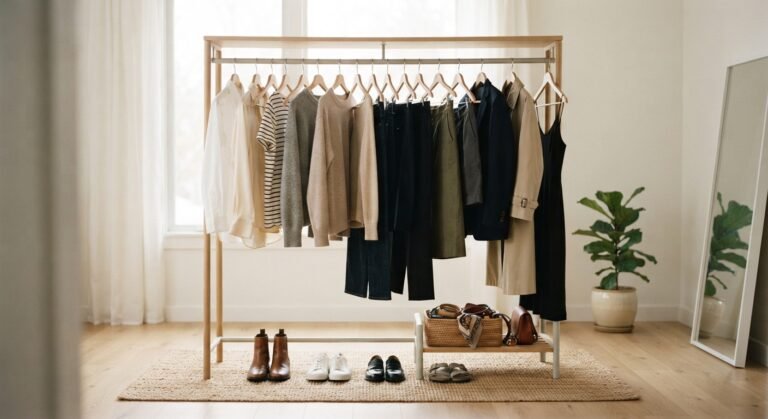
Sustainable living isn’t about never buying anything again. It’s about being more intentional with purchases so that what you do buy lasts longer and serves you better. Fast fashion, for example, is cheap upfront but expensive over time because items wear out quickly and need constant replacing. A single well-made pair of jeans that lasts five years often costs less in the long run than five cheap pairs that fall apart within a year each. The same logic applies to kitchen tools, shoes, and furniture. Before buying anything, ask whether you actually need it, whether a used version exists, and whether it will hold up over time. This slower approach to spending naturally reduces both waste and your overall budget strain.
Embrace Secondhand and Community Resources
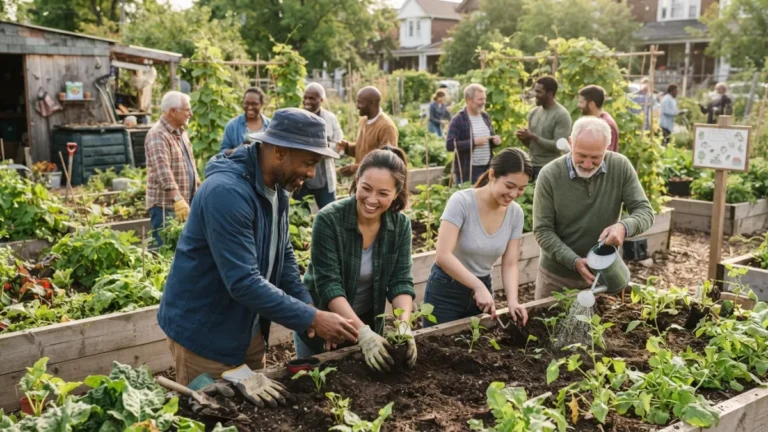
Thrift stores, consignment shops, and online marketplaces have made secondhand shopping more accessible and less stigmatized than it used to be. Buying used clothing, furniture, electronics, and even building materials keeps items out of landfills while cutting costs dramatically compared to buying new. Many communities also have “buy nothing” groups on social media, where neighbors give away items for free instead of throwing them out. Libraries offer another underused resource, lending books, movies, and sometimes even tools or kitchen equipment instead of requiring you to buy them.
- Check local buy-nothing or freecycle groups before purchasing new items
- Visit thrift stores for clothing, furniture, and kitchenware
- Borrow tools or equipment you’ll only use once or twice
- Use your local library for books, media, and community resources
These options stretch your budget further while supporting a more circular, less wasteful economy.
DIY Cleaning and Personal Care Products
Many household cleaning products and personal care items come in wasteful plastic packaging and contain ingredients you don’t necessarily need. Simple alternatives like vinegar, baking soda, and castile soap can replace a surprising number of store-bought cleaners at a fraction of the cost. A basic vinegar-and-water solution handles most glass and surface cleaning needs, while baking soda works well for scrubbing and deodorizing. Making your own versions reduces plastic waste from packaging and cuts down on the chemicals entering your home and local water systems. This isn’t about becoming a full-time DIY enthusiast — it’s about picking one or two swaps that fit easily into your routine. Start small, see what works, and expand from there if it feels manageable.
Grow Something, Even a Little
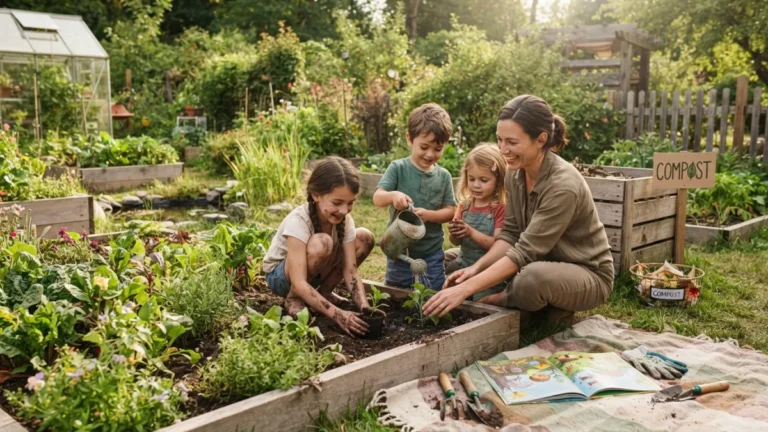
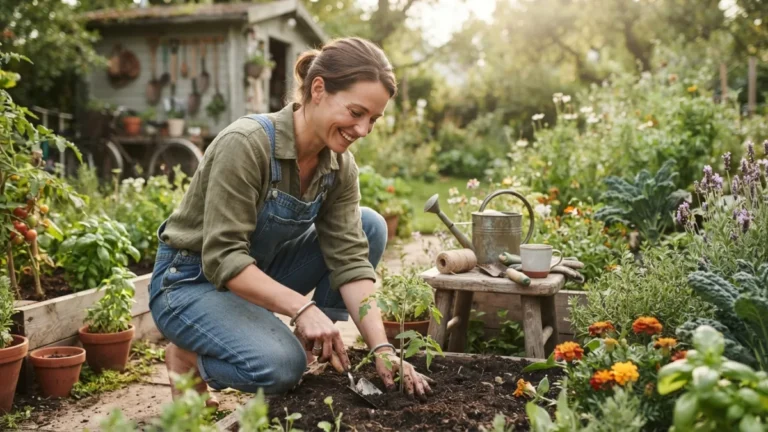
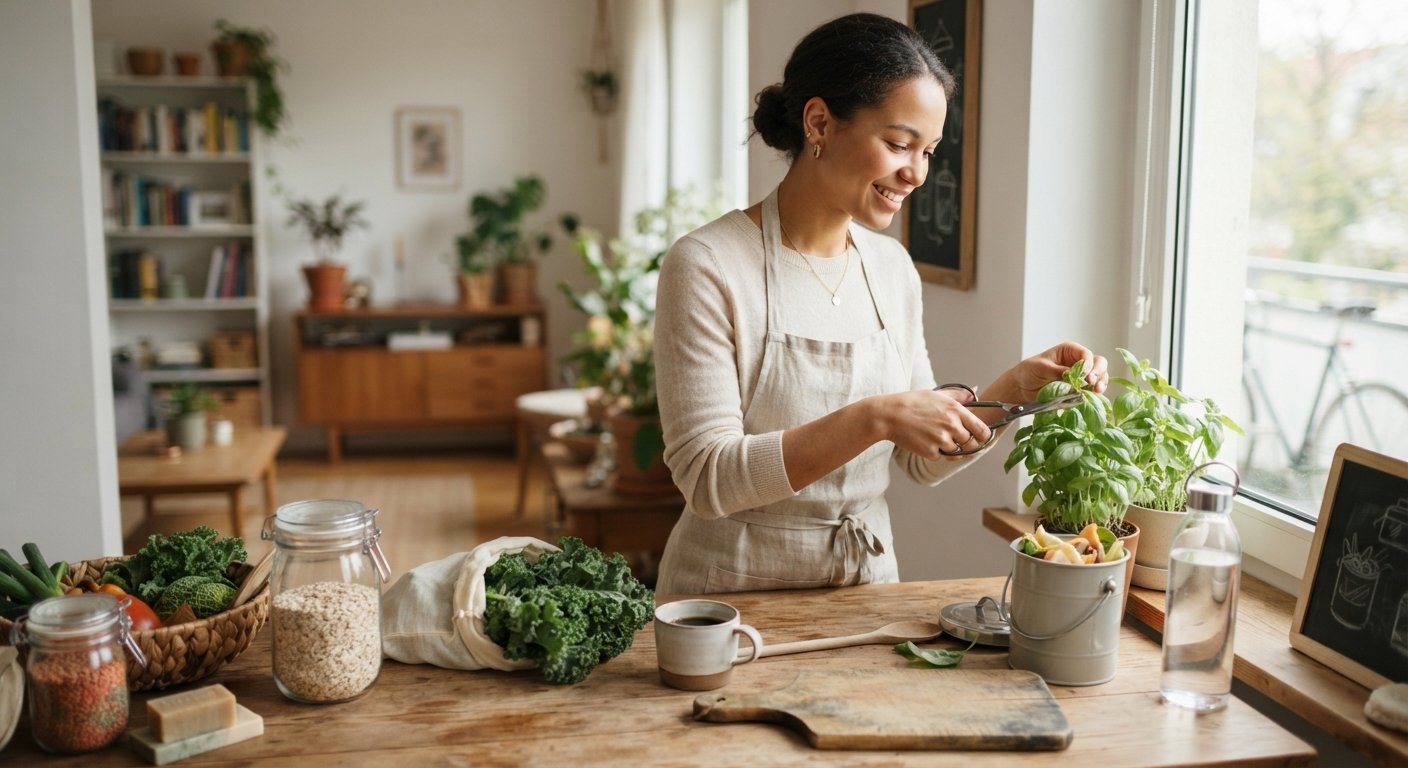
You don’t need a backyard or a green thumb to start growing your own food. Herbs like basil, mint, and cilantro grow well in small pots on a windowsill and cost far less than buying fresh herbs at the store repeatedly. Even a small container garden on a balcony can produce tomatoes, peppers, or lettuce over a growing season. Growing your own food reduces packaging waste, cuts down on transportation emissions associated with store-bought produce, and often tastes better than what you’d find in a grocery store. It also builds a direct connection to where your food comes from, which tends to encourage more mindful consumption habits overall. Starting with just one or two easy plants keeps the learning curve low and the cost minimal.
Prioritize Which Changes Matter Most for Your Life
Not every sustainable habit applies equally to everyone, and trying to adopt all of them at once usually leads to burnout. Someone who drives long distances for work will get more impact from carpooling or maintaining their vehicle properly than from composting food scraps. Someone in an apartment with high utility bills might see more benefit from energy-saving habits than from starting a garden. The key is identifying which areas of your life create the most waste or highest costs, then focusing your energy there first.
- Review your monthly bills to spot the biggest areas of waste or overspending
- Choose one or two habits to change at a time, not everything at once
- Track your progress for a month before adding new changes
This targeted approach makes sustainable living feel achievable rather than exhausting.
Comparing Common Budget-Friendly Swaps
Some sustainable swaps offer a better return on investment than others, especially when you’re working with limited funds. The table below compares a few common options to help you decide where to start based on upfront cost and long-term savings.
| Swap | Upfront Cost | Long-Term Savings Potential |
|---|---|---|
| Reusable water bottle | Low | High |
| LED light bulbs | Low to Moderate | High |
| Secondhand clothing | Low | Moderate to High |
| Home composting bin | Low | Moderate |
| Solar panels | Very High | High (long-term only) |
As the table shows, some of the most effective changes require very little money upfront, while bigger investments like solar panels only make financial sense over many years.
Be Patient With the Process
Sustainable living on a budget isn’t a weekend project you finish and check off a list. It’s a gradual shift in habits that builds over months and years, with small adjustments accumulating into a noticeably different lifestyle. Some months you might focus on reducing food waste; other months might be about cutting energy use or shopping secondhand more consistently. Progress won’t always be linear, and that’s fine. The goal isn’t perfection — it’s steady improvement that fits realistically into your life and budget. Comparing your habits today to where they were six months ago is a far more useful measure of success than comparing yourself to someone with an entirely different budget or lifestyle. Small, consistent changes tend to stick far better than dramatic overhauls that fizzle out within weeks.
Frequently Asked Questions
Does sustainable living always cost more money?
No. Many sustainable habits, like reducing food waste, cutting energy use, and buying secondhand, actually save money. The upfront cost myth mostly applies to specific products, not the lifestyle as a whole.
What’s the cheapest way to start living more sustainably?
Reducing food waste and cutting home energy use are typically the cheapest starting points, since they require little to no upfront spending and show results almost immediately on your bills.
Do I need to change everything at once to make a difference?
No, and trying to do so often backfires. Focusing on one or two changes at a time, based on where you waste the most resources or money, tends to create habits that actually last.
Is buying secondhand really more sustainable than buying new?
Generally, yes. Buying used items extends the life of products that already exist, reducing the demand for new manufacturing and keeping usable goods out of landfills.
How do I know which sustainable changes are worth my money?
Look at your own spending habits first. Prioritize changes that address your biggest sources of waste or highest bills, since those will offer the most noticeable savings and impact over time.