How to Shop Package-Free at the Grocery Store
Standing in the middle of a grocery store aisle, staring at a wall of plastic-wrapped everything, can feel oddly overwhelming once you start paying attention. Cucumbers shrink-wrapped in plastic. Crackers in a box inside a bag inside another bag. It adds up fast, and most of it ends up in a landfill within days of getting home. The good news is that shopping package-free doesn’t require a complete lifestyle overhaul or a specialty store on every corner. With a little planning and a few reusable tools, you can dramatically cut down on packaging waste using the grocery stores you already visit. This guide walks through practical, realistic ways to shop with less waste, whether you’re just getting started or looking to fine-tune habits you already have.
Why Package-Free Shopping Matters
Grocery packaging is one of the biggest sources of household waste, and a lot of it isn’t recyclable in most municipal systems. Thin plastic films, mixed-material wrappers, and small containers often slip through the cracks at recycling facilities and end up incinerated or landfilled anyway. Choosing package-free options isn’t about achieving some perfect zero-waste ideal overnight. It’s about making small, consistent swaps that reduce the amount of single-use material flowing through your kitchen. Over a year, skipping just a few plastic bags or containers per shopping trip adds up to a noticeable dent in your household waste. It also tends to nudge people toward less processed, more whole foods, since packaging-heavy items are usually the most processed ones on the shelf.
Start With a Reusable Shopping Kit
Before you even walk into the store, build yourself a simple kit you can keep in your car or by the front door so you never forget it. This is the foundation of package-free shopping, and once you have it, the habit becomes automatic.
- Reusable tote bags for your overall groceries
- Mesh or cotton produce bags for fruits and vegetables
- Glass jars or containers for bulk bins
- A cloth bread bag for bakery items
- Small containers for deli counters or meat and fish counters
You don’t need to buy everything at once. Start with what you have at home, like an old pillowcase cut into produce bags or empty jars from pasta sauce. The goal is convenience, so keep the kit somewhere you’ll actually remember to grab it.
Shop the Produce Section Smartly
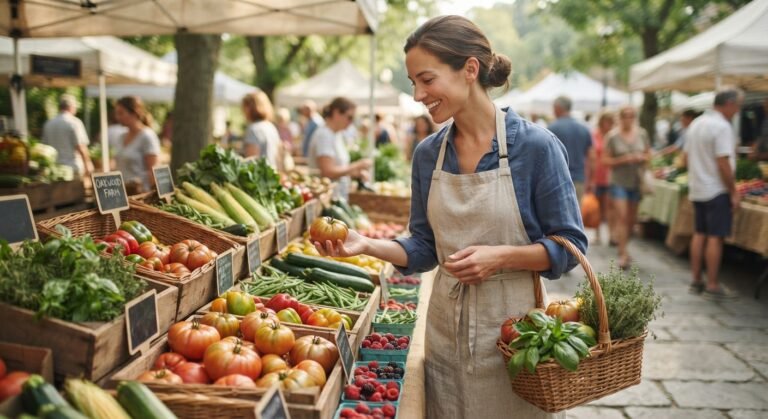
Produce is usually the easiest place to cut packaging, since so many fruits and vegetables don’t need a bag at all. Apples, bananas, potatoes, and onions can go straight into your cart or reusable tote without any wrapping. For smaller items like berries or green beans, bring mesh produce bags or simply place them loose in your cart if the store allows it. Many cashiers are used to weighing loose produce, so don’t be shy about skipping the plastic bag roll near the scales. If a store only sells certain items pre-packaged, like a plastic clamshell of tomatoes, look for a farmers market or a different store section that sells the same item loose. Sometimes the “ugly produce” or discount bins carry loose options that the main display doesn’t.
Master the Bulk Bins
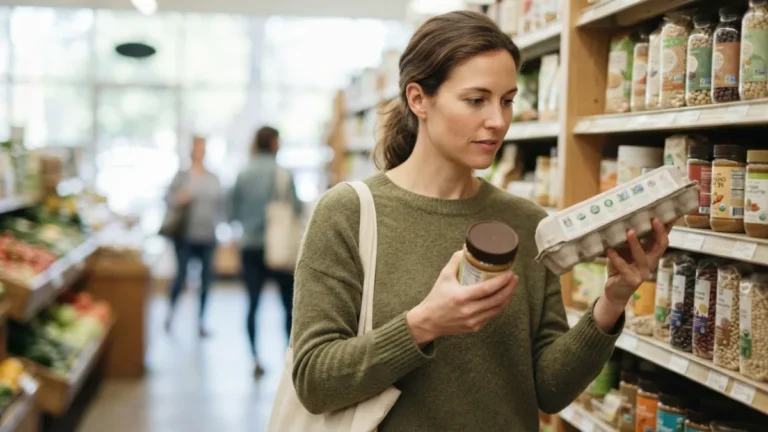
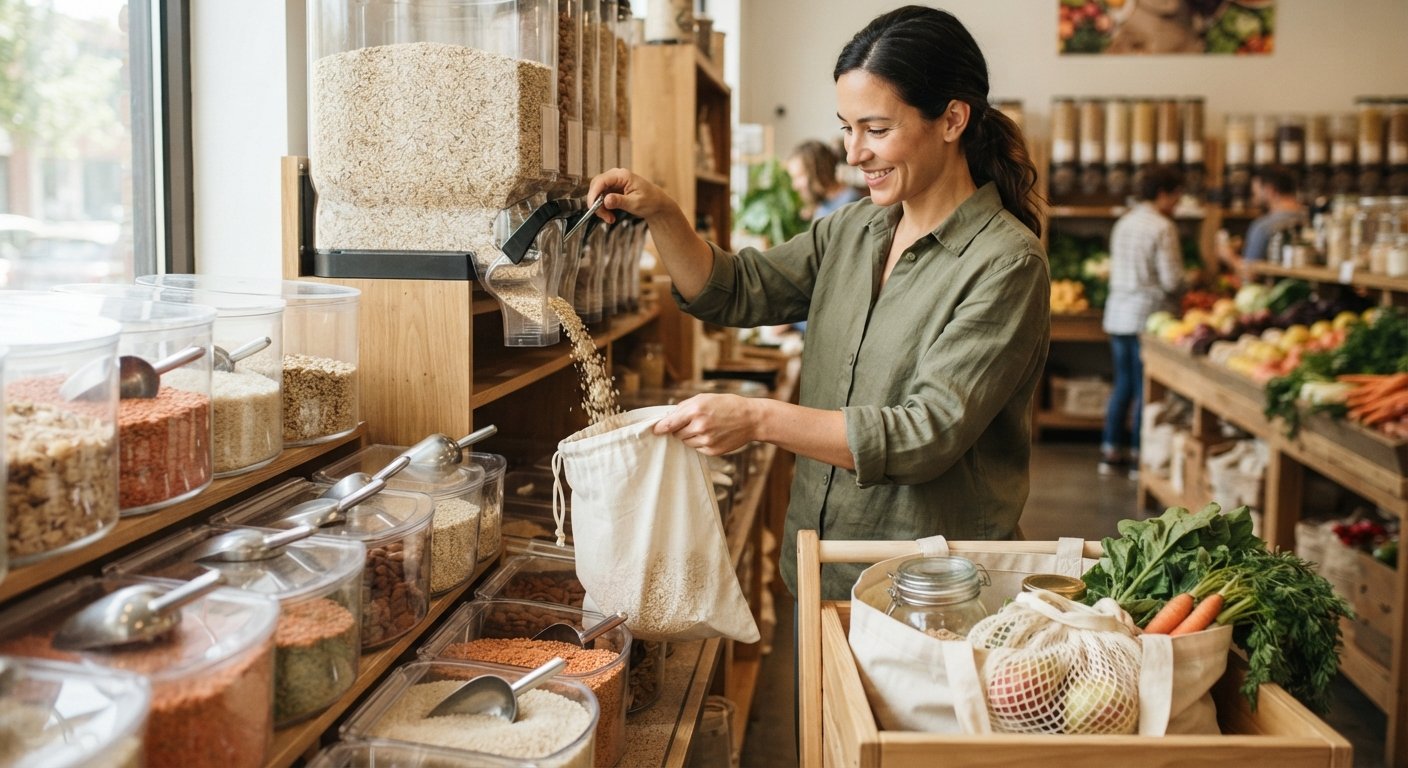
Bulk bins are the heart of package-free grocery shopping, and most large grocery chains now have at least a small bulk section. Grains, rice, oats, pasta, nuts, dried fruit, spices, coffee, and even some snacks are often available by the scoop. Bring your own clean glass jars or cloth bags, and check with store staff about their policy on customer-owned containers. Some stores require you to weigh empty containers at customer service first, so the weight of the container itself doesn’t get charged to you. Write down the bin number or product code so the cashier can ring it up correctly. Buying in bulk also tends to be cheaper per ounce than pre-packaged versions, since you’re not paying for the box or bag it usually comes in.
Rethink the Bakery and Deli Counters
Bakeries and deli counters are another easy win, since staff are frequently used to slicing and wrapping items to order anyway. Bring a cloth bag for fresh bread or rolls instead of taking the paper or plastic bag offered at the counter. For deli meats, cheeses, or olives, hand over your own clean container and ask the staff to use it instead of their standard wrapping. Some stores are more flexible about this than others, so it helps to call ahead or ask a manager if you’re unsure of the policy. If a store won’t allow personal containers for food safety reasons, ask if they’ll use unwaxed paper instead of plastic, since paper is often easier to recycle or compost at home.
Handle Dairy, Eggs, and Meat Thoughtfully
These categories are trickier because of food safety regulations, but there are still ways to reduce waste. Look for milk sold in returnable glass bottles, which some regional dairies still offer through grocery stores or delivery programs. Buy the largest container size that makes sense for your household, since one big yogurt tub creates less packaging than six small cups. For eggs, choose cardboard cartons over foam or plastic ones, and reuse the carton by returning it to a local farmer or backyard chicken keeper if you know one. Meat and fish counters sometimes allow you to bring your own container, similar to the deli counter, so it’s always worth asking even if you assume the answer will be no.
Snacks, Pantry Staples, and Household Items
Packaged snacks are often the hardest category to avoid completely, but a few swaps go a long way. Buying larger bags of chips or crackers instead of individual portions cuts down on the ratio of plastic to food. Making your own snacks, like trail mix from bulk bin nuts and dried fruit, sidesteps packaging entirely. For pantry staples like flour, sugar, and baking supplies, check whether your store’s bulk section carries them before defaulting to the boxed version. Household items like dish soap and laundry detergent are increasingly available in bulk refill stations at natural food stores, where you bring your own bottle and pay by weight. It won’t eliminate every piece of packaging in your kitchen, but each swap chips away at the total.
Comparing Package-Free Shopping Options
Not every store offers the same level of package-free shopping, so it helps to know what to expect before you go. Here’s a quick comparison of common shopping venues and how well they typically support package-free habits.
| Shopping Venue | Bulk Bin Availability | Bring-Your-Own-Container Policy | Best For |
|---|---|---|---|
| Large chain supermarket | Limited to moderate | Varies by location | Produce, some pantry staples |
| Natural food co-op | Extensive | Usually encouraged | Grains, spices, household refills |
| Farmers market | Not applicable | Almost always welcomed | Fresh produce, eggs, bread |
| Zero-waste specialty store | Very extensive | Fully supported | Nearly everything, including liquids |
Plan Ahead to Make It Sustainable
Package-free shopping works best when it fits naturally into your existing routine rather than feeling like an extra chore. Keep a running list of what you regularly buy so you know which items to prioritize for bulk or container swaps. Wash and reuse containers right after unpacking groceries so they’re ready for the next trip, instead of piling up unwashed in a cabinet. If you forget your reusable bags one week, don’t treat it as a failure. Just grab paper bags where offered and try again next time. Building a lasting habit is more valuable than achieving a flawless trip, and consistency over months matters far more than perfection on any single day.
Dealing With Stores That Resist Reusable Containers
Not every store will welcome your jars and cloth bags with open arms, especially larger chains with strict corporate policies around food safety liability. If a cashier or manager says no to a bring-your-own-container request, it’s not worth arguing on the spot. Instead, ask politely if there’s a store manager you can talk to about future policy, or simply note it and try a different store next time. Some regions have local health codes that genuinely restrict what stores can do, while others just haven’t updated their internal policies yet. Writing a short, friendly email to store management expressing interest in more bulk options or clearer container policies can sometimes influence change over time, especially if several customers do the same.
Small Wins Add Up
It’s easy to get discouraged if you can’t eliminate all packaging waste in one trip, but perfection was never really the goal. Choosing loose apples over a plastic bag of them, bringing your own bread bag once a week, or switching one household product to a bulk refill are all meaningful steps. Over the course of a year, these small choices prevent a real amount of plastic and cardboard from ever entering your home in the first place. Package-free shopping is less about following strict rules and more about building awareness of the choices in front of you every time you walk down an aisle. Start with one or two categories, get comfortable, and expand from there at your own pace.
Frequently Asked Questions
Do I need to shop at a specialty zero-waste store to go package-free?
No. Many regular grocery stores and supermarkets offer at least some package-free options, especially in the produce and bulk sections. Specialty stores make it easier, but they’re not required to get started.
Is it sanitary to bring my own containers to a deli or meat counter?
Many stores allow it as long as the container is clean, but policies vary by location and local health codes. Always ask staff first, and be prepared for some counters to decline for safety reasons.
What if my grocery store doesn’t have a bulk bin section?
Focus on loose produce, larger package sizes to reduce packaging-to-food ratio, and bakery items instead. You can also check if a nearby co-op or farmers market offers bulk options for a separate trip.
Are reusable produce bags actually more hygienic than plastic ones?
Cloth and mesh produce bags are just as safe as plastic ones as long as you wash them regularly, similar to how you’d wash a reusable water bottle or lunch container.
Is package-free shopping more expensive?
Not usually. Buying from bulk bins is often cheaper per ounce than pre-packaged versions, since you’re not paying for the packaging itself. Loose produce is also frequently priced the same or lower than pre-bagged options.