Zero-Waste Swaps for Beginners: Where to Start
Open any trash can in an average household and you’ll find a graveyard of plastic wrappers, takeout containers, and packaging that lasted five minutes before becoming garbage. The zero-waste movement can feel intimidating from the outside, conjuring images of people who fit a year’s worth of trash into a single mason jar. But here’s the truth nobody tells you at the start: zero-waste living isn’t about perfection. It’s about making small, consistent choices that reduce what ends up in landfills, one swap at a time. You don’t need to overhaul your entire life overnight, and you definitely don’t need to spend a fortune on fancy bamboo gadgets to get started. This guide breaks down the easiest, most practical swaps for beginners, organized by where you’ll actually use them, so you can build sustainable habits without the overwhelm.
Why Zero-Waste Living Matters More Than Ever
Plastic production has exploded over the past few decades, and a huge chunk of it is designed to be used once and thrown away. Grocery bags, coffee cups, cutlery, straws—these items serve us for minutes but stick around in the environment for centuries. Reducing personal waste isn’t going to single-handedly solve the global plastic crisis, but collective small actions add up in ways that matter, especially when they shift demand away from disposable products and toward reusable ones. There’s also a personal benefit that often gets overlooked: many zero-waste swaps save money over time. Buying a reusable water bottle instead of bottled water, or a set of cloth napkins instead of paper towels, pays for itself within months. Beyond the environmental and financial angles, there’s something satisfying about simplifying your consumption habits. It clears mental clutter along with physical clutter, and it makes you more mindful of what you actually need versus what you’ve just gotten used to buying.
Start in the Kitchen: The Easiest Room for Zero-Waste Swaps
The kitchen generates more disposable waste than almost any other room in the house, which makes it the best starting point for beginners. Small changes here tend to be the most visible and the most immediately rewarding, since you’ll notice your trash bag filling up slower within just a week or two.
Ditch Single-Use Plastic Wrap and Bags
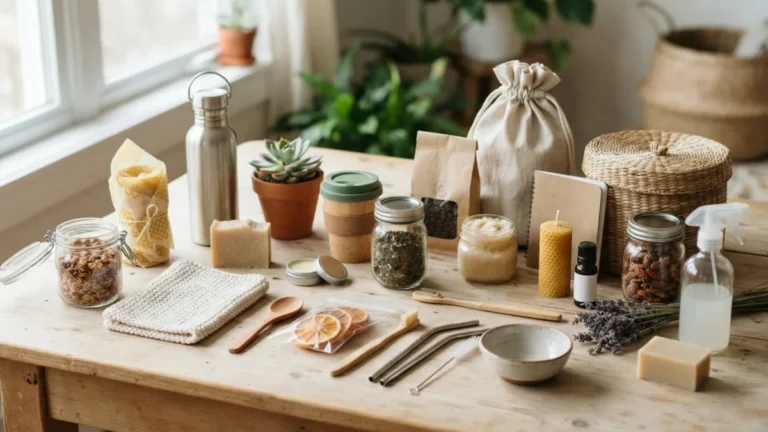
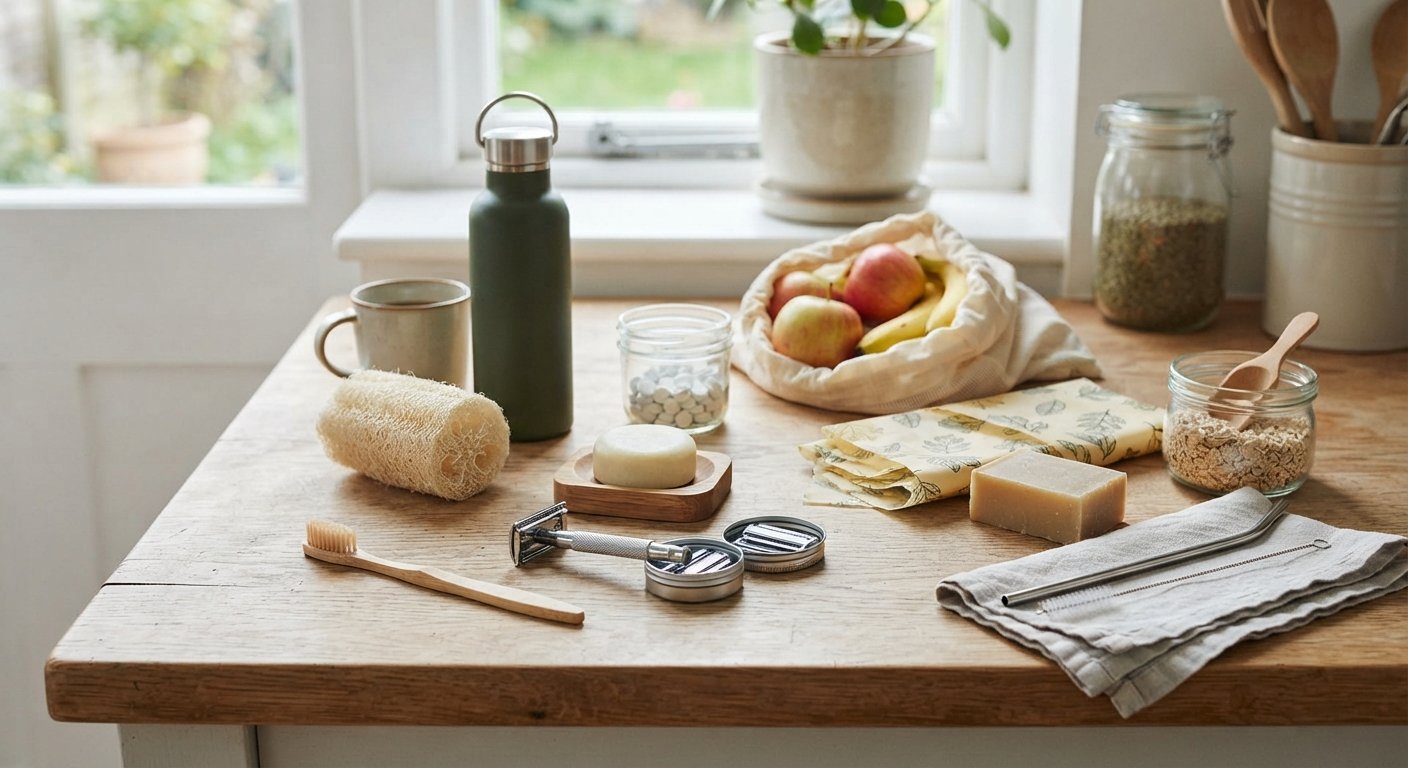
Plastic wrap and sandwich bags are convenience items that add up fast in landfills because they can’t be recycled through standard curbside programs. Swap them out for reusable silicone food covers, beeswax wraps, or simple glass containers with lids. If you pack lunches regularly, reusable silicone bags are a game-changer since they can be washed and reused hundreds of times. These options aren’t just eco-friendly; they actually keep food fresher for longer in many cases, which cuts down on food waste too.
Rethink Your Coffee and Tea Routine
Single-serve coffee pods and disposable cups are convenient but incredibly wasteful, since most pods aren’t recyclable and paper cups are often lined with plastic. Switching to a reusable coffee filter, a French press, or a stainless steel pod (if you have a compatible machine) eliminates that daily waste. Bringing your own travel mug to a coffee shop is another easy habit, and many cafes even offer small discounts for customers who do this.
Bathroom Swaps That Cut Down on Plastic Fast
Bathrooms are packed with plastic bottles, disposable razors, and single-use packaging, but this is also one of the simplest places to make a dent in your waste output. Shampoo and conditioner bars have become widely available and work just as well as their bottled counterparts, without the plastic bottle that eventually gets tossed. Bar soap instead of liquid soap in plastic pumps is another easy switch that most people barely notice in daily use. For razors, investing in a safety razor with replaceable metal blades means you’re not throwing away an entire plastic handle every few weeks. Even something as small as switching to a bamboo toothbrush instead of a plastic one reduces the amount of non-biodegradable material heading to the landfill each year. None of these swaps require lifestyle sacrifices; they simply mean choosing a different product the next time you run out of the old one.
Grocery Shopping Without the Waste
Grocery trips are a major source of packaging waste, but a few simple habits can dramatically cut down what you bring home in disposable materials.
- Keep a set of reusable cloth or mesh produce bags in your car or by the door so you never forget them.
- Bring your own reusable shopping bags, and keep a couple folded in your bag or car for spontaneous trips.
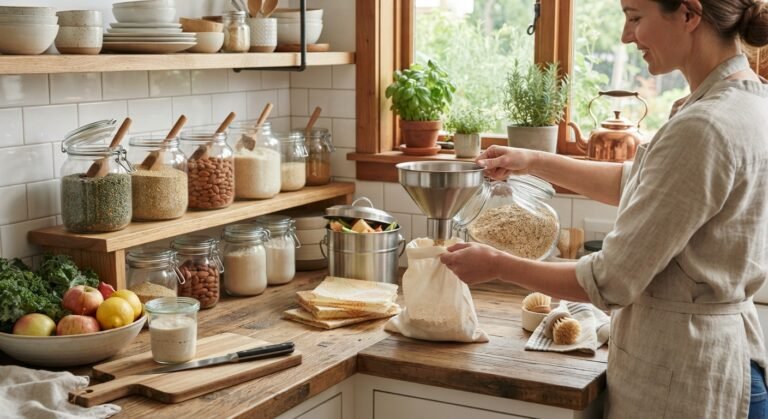
- Shop the bulk bins when available for grains, nuts, and spices, bringing your own jars or bags to fill.
- Choose loose fruits and vegetables over pre-packaged ones whenever the option exists.
- Look for glass or metal packaging over plastic when buying pantry staples like sauces or oils, since these materials are more easily recycled.
These habits take a little planning at first, but within a month or two they become second nature, almost like remembering to bring your keys.
Comparing Common Zero-Waste Swaps
Some swaps require more upfront investment or effort than others. Here’s a quick comparison to help you decide where to start based on cost, convenience, and impact.
| Swap | Upfront Cost | Ease of Use | Waste Reduction Impact |
|---|---|---|---|
| Reusable water bottle | Low | Very easy | High |
| Beeswax food wraps | Medium | Moderate | Medium |
| Shampoo bars | Low | Easy | Medium |
| Safety razor | Medium | Requires adjustment | High |
| Cloth produce bags | Low | Easy | Medium |
| Composting bin | Medium to High | Requires commitment | Very High |
Tackling Food Waste With Composting
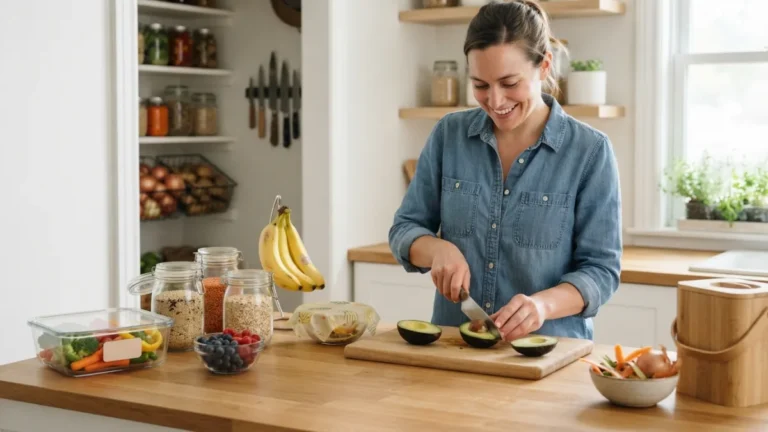
Food scraps make up a surprisingly large portion of household waste, and when they end up in landfills, they release methane as they decompose without oxygen. Composting redirects that organic material into something useful instead of letting it rot uselessly in a sealed trash bag. Beginners don’t need a large backyard setup to get started; countertop compost bins work well for apartments, and many cities now offer municipal composting pickup services similar to recycling programs. If composting at home feels like too much, look into whether your local farmers market accepts food scraps, since many do as part of community sustainability efforts. Even starting small, like composting just fruit and vegetable peels, makes a noticeable difference over time. The compost itself can be used to enrich soil for houseplants or a garden, closing the loop in a way that feels genuinely rewarding rather than just reducing waste for the sake of it.
Building Sustainable Habits That Actually Stick
The biggest mistake beginners make is trying to change everything at once, which usually leads to burnout within a few weeks. Instead, pick one or two swaps to focus on each month, and let them become habits before adding more. Keep a small “zero-waste kit” near your door with a reusable bag, water bottle, and coffee cup so you’re always prepared without having to think about it. It also helps to be patient with yourself when you forget something or slip back into old habits, because sustainable living isn’t a strict all-or-nothing pursuit. Progress matters more than perfection, and even someone who makes a handful of these swaps is meaningfully reducing their environmental footprint compared to doing nothing at all. Over time, these small adjustments start to feel less like sacrifices and more like your normal routine, which is really the whole point.
Where to Find Affordable Zero-Waste Products
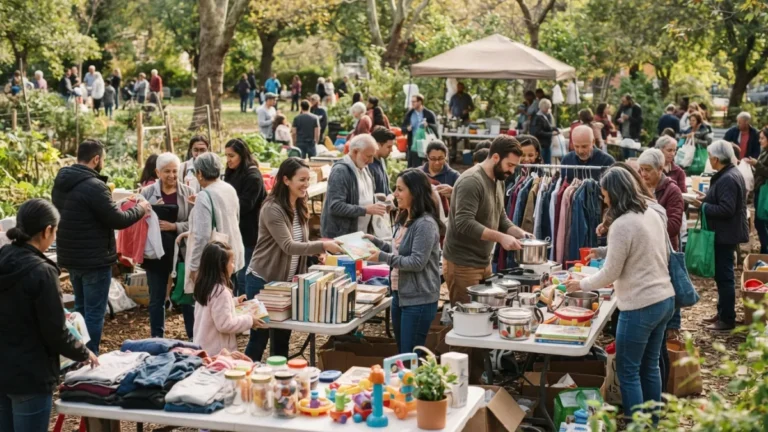
One common misconception is that going zero-waste requires buying a bunch of expensive, aesthetically pleasing products from specialty stores. In reality, many of the best swaps involve using what you already own, like turning old t-shirts into cleaning rags instead of buying paper towels. Thrift stores are also excellent sources for glass jars, cloth napkins, and reusable containers at a fraction of retail price. Online marketplaces and local buy-nothing groups often have people giving away reusable items for free. When you do need to buy something new, look for local shops or online retailers that specialize in package-free products, since they tend to prioritize sustainability throughout their supply chain, not just in the final product. Buying in bulk, when possible, also reduces per-unit packaging waste and often saves money in the long run, making it a win for both your wallet and the environment.
Frequently Asked Questions
Do I need to go completely zero-waste to make a difference?
No. Even reducing your waste by a small percentage through a few consistent swaps has a meaningful cumulative effect, especially when more people adopt similar habits.
What’s the cheapest swap to start with?
A reusable water bottle and bringing your own bags to the grocery store are two of the lowest-cost, highest-impact changes you can make right away.
Is zero-waste living more expensive overall?
Not usually. While some reusable products have a higher upfront cost, they typically pay for themselves over time since you’re not repeatedly buying disposable versions.
How long does it take to build these habits?
It varies by person, but most people find that a new habit feels automatic after four to eight weeks of consistent practice.
What if my city doesn’t offer composting or bulk bins?
Focus on the swaps that are available to you, like reusable bags, bottles, and food storage. Even without full infrastructure, individual choices still reduce waste.