Low Waste Snacks: 7 Easy Homemade Ideas with Less Sugar
Open your snack drawer and count the wrappers. Most of us build a pile of them by the end of the week, and the snacks inside are often sweeter than we expect. Low waste snacks solve both problems at once: you cut the packaging, and you decide what goes into every bite. This guide gives you seven easy homemade ideas, plus the shopping, container, and storage tips that make them work in a busy week. You don’t need fancy gear. You need an oven or a stove, a few basic ingredients, and an hour on a quiet day.
Why Plastic Free Snack Packaging Starts in Your Kitchen
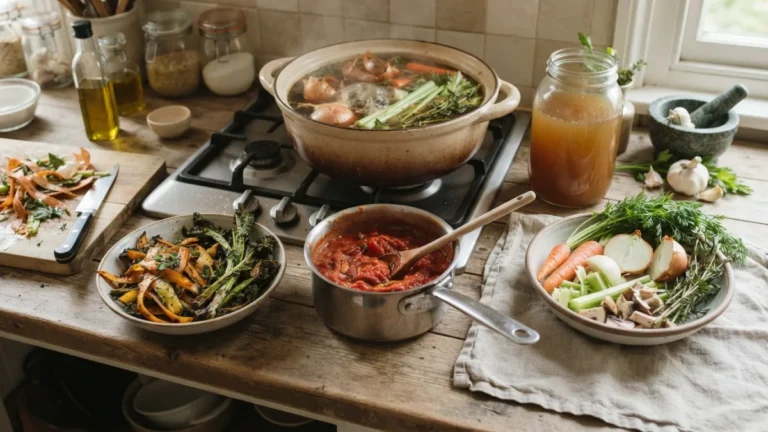
Plastic free snack packaging is hard to find in stores. Many bars, chips, and cookies come in layered wrappers that recycling programs often cannot process. Making snacks at home skips that problem. A batch of oat bars may leave behind an empty paper bag, and sometimes nothing at all. Local rules differ, so check what your city accepts. The U.S. Environmental Protection Agency’s recycling pages explain the basics of reducing, reusing, and recycling. Fewer wrappers means less to sort, rinse, and throw out, and that is the quiet appeal of cooking your own snacks. If you want to dig deeper, our guide on Vegetable Scraps: 7 Easy Ways for Amazing Broths and Snacks covers this in more detail.
Buying Snack Ingredients in Bulk Without Overbuying
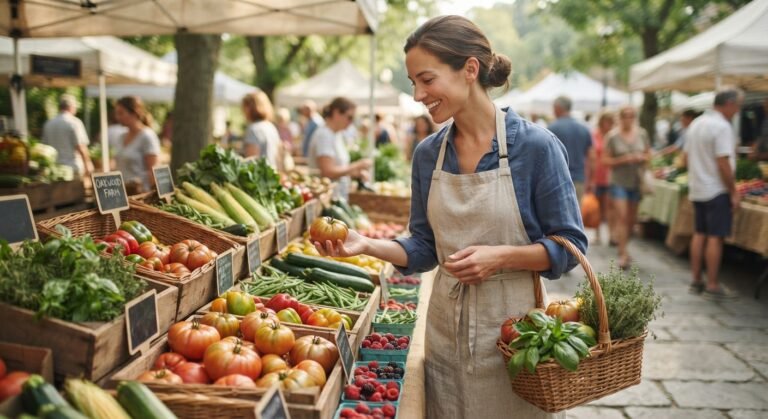
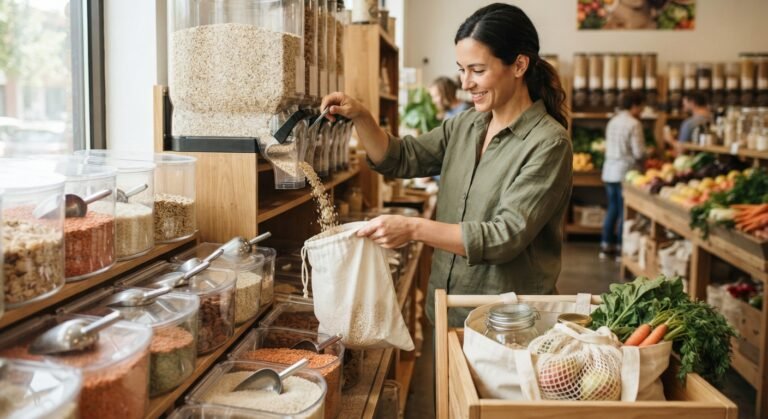
Buying snack ingredients in bulk cuts packaging fast, but only if you shop with a plan. Bring your own jars or cloth bags to a store with bulk bins, and ask staff to weigh the empty containers first. Buy small amounts of anything new. Nuts and seeds can turn stale, and oats attract pests if they sit for months. Choose ingredients that work in several recipes, such as oats, nuts, dried fruit, popcorn kernels, and dried chickpeas. No bulk store nearby? Pick the largest paper or cardboard packs you can finish before they expire. That keeps your low waste snacks affordable, too.
Zero Waste Pantry Staples to Keep on Hand
Zero waste pantry staples are dry goods you can buy loose, refill, or find in simple paper, cardboard, or glass. A short list covers every recipe below:
- Rolled oats
- Popcorn kernels
- Dried chickpeas, or canned ones in recyclable steel cans
- Nuts and seeds
- Dates or raisins
- Cinnamon, paprika, and cocoa powder
- Nut butter in a glass jar
7 Easy Low Waste Snacks to Make at Home
1. Homemade Granola Bars Recipe with Oats and Dates
This homemade granola bars recipe uses just a few pantry items. Mash soft dates with a splash of warm water, then stir in rolled oats, chopped nuts, and a spoonful of nut butter. Press the mix firmly into a lined pan and bake until the edges turn golden. Let it cool completely before you cut it, or the bars will crumble. The dates sweeten everything, so you can skip syrup or add only a little. If the mix feels dry, add more mashed dates. If it feels sticky, add oats.
2. Crunchy Roasted Chickpeas
Drain and rinse cooked chickpeas, then dry them well with a clean towel. Toss them with a little oil, salt, and a spice like paprika or cumin. Roast them in a hot oven, shaking the tray now and then, until they turn crisp. Dry chickpeas roast better, so don’t skip the towel. They taste best the same day, because they soften as they sit.
3. Stovetop Popcorn
Popcorn kernels cost little and need no plastic bag. Heat a spoonful of oil in a pot with a lid, add the kernels, and shake the pot over medium heat until the popping slows. Popcorn is a whole grain, which makes it a solid base for snacking. Season it with cinnamon, a pinch of salt, or smoked paprika instead of sugary coatings. This connects closely with another common issue — see One-Pot Low-Waste Meals: Simple Recipes That Use Up Leftovers for more on that.
4. Banana Oat Cookies
Got brown bananas on the counter? Mash two or three, stir in a cup or two of rolled oats and a shake of cinnamon, and add raisins or chopped nuts if you like. Scoop the dough onto a baking tray and bake until the cookies look set. The recipe uses fruit that might have gone in the trash, and the bananas supply the sweetness.
5. No-Bake Date and Nut Energy Bites
Blend dates and nuts in a food processor until the mix sticks together, then add a spoonful of cocoa powder. Roll small balls with your hands and chill them for a short time. No oven, no wrappers, no fuss. You can swap in seeds, shredded coconut, or a little orange zest for variety.
6. Veggie Sticks with Homemade Hummus
Blend cooked chickpeas with tahini, lemon juice, garlic, a pinch of salt, and a little water until smooth. Serve it with carrot, cucumber, or pepper sticks. Making hummus at home saves you a plastic tub, and you control the salt and oil. Leftover chickpea cooking water can thin the dip if it turns thick.
7. Baked Apple Chips
Slice apples very thin, sprinkle them with cinnamon, and spread them on a lined tray. Bake at a low temperature for a long time, flipping once, until the slices dry out and turn crisp. Slightly bruised apples work well here. The chips need no added sugar, and the whole batch fits in one jar.
Reduce Added Sugar Snacks with Small Swaps
Packaged snacks often hide sugar under names like syrup, concentrate, or dextrose, so homemade versions give you a clear advantage. The World Health Organization advises keeping free sugars below 10% of daily energy intake, and says going below 5% brings extra benefits. You don’t need to cut sweetness overnight. Try these steps: You might also find our article on Zero-Waste Baking: What to Do with Extra Dough, Egg Whites, and Kitchen “Scraps” helpful here.
- Use very ripe fruit as your main sweetener.
- Cut the sugar in a familiar recipe by about a quarter, then adjust next time.
- Add cinnamon, vanilla, or orange zest for flavor that tastes sweet without more sugar.
- Pair sweeter bites with nuts, seeds, or oats, which add fiber and staying power.
Dates and fruit still contain natural sugar, so enjoy them in sensible portions. These low waste snacks still beat most store-bought bars for control.
Healthy Lunchbox Snacks for Kids That Come Home Empty
Healthy lunchbox snacks for kids need to survive a bag, a bus ride, and a busy lunch table. Oat cookies, energy bites, apple chips, and plain popcorn all hold up well. Let children help with rolling, mixing, or choosing the spices, because kids eat what they feel proud of. Check your school’s allergy rules before you pack nuts or seeds. If nuts are banned, swap in sunflower seed butter and extra oats. Cut veggies into easy shapes and add a small dip for fun.
Choosing Reusable Snack Containers That Last
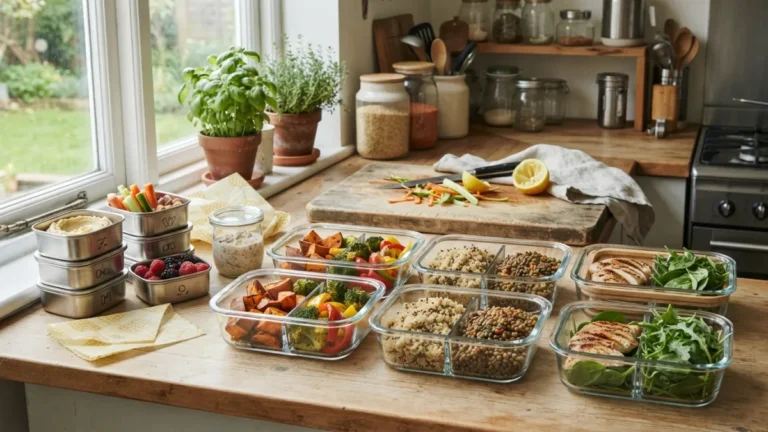
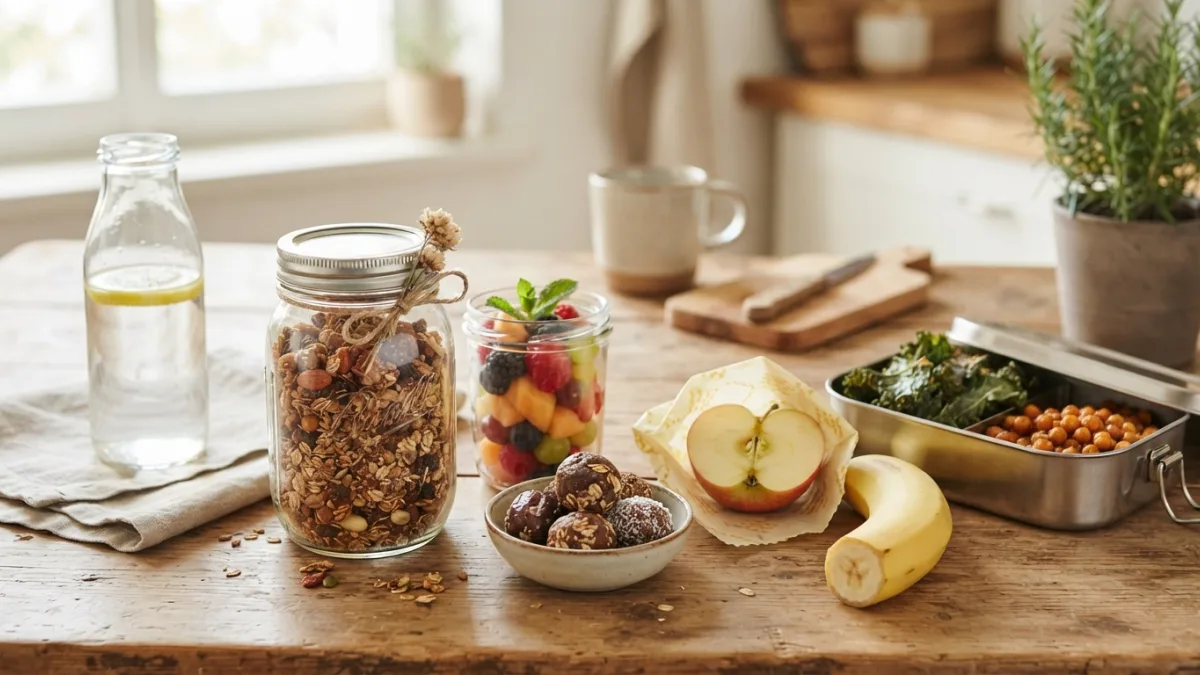
Reusable snack containers do the real work in a low-waste routine. Stainless steel tins, glass jars, and silicone bags all suit different snacks, and cloth bags handle dry items like popcorn. Start with what you already own: old jam jars and clean takeaway tubs work fine. Choose lids that seal tightly and containers you can wash by hand in seconds. Buy a few good ones rather than a big matching set. The best container is simply the one you actually refill and carry.
Storing Homemade Snacks Fresh
Storing homemade snacks fresh keeps your effort from ending up in the bin. Cool everything fully before you close the lid, since trapped steam makes crisp snacks soggy and soft ones moldy. Layer bars and cookies with parchment so they don’t stick. Keep crunchy snacks like chickpeas and apple chips in a dry, airtight jar. Store moist snacks, such as energy bites, in the fridge, and freeze extra portions you won’t eat soon. Throw out anything that smells off or shows mold. For general guidance, see FoodSafety.gov.
Start Small and Keep It Simple
You don’t have to overhaul your kitchen in a weekend. Pick one recipe, shop with your own jars, and see how it feels. Low waste snacks become habit once a few favorites sit in your rotation, and the savings in packaging, money, and sugar add up quietly. Make a double batch, share it with a friend, and tweak the flavors next time. Small changes, repeated often, do more than one perfect plan you never follow. For a related walkthrough, check out Fridge Organization: 7 Easy Zones to Cut Food Waste.
Frequently Asked Questions
What are some examples of low waste snacks?
Roasted chickpeas, stovetop popcorn, oat and banana cookies, date and nut bites, apple chips, and veggie sticks with hummus all create very little packaging waste. Most use ingredients you can buy loose or in paper or glass.
Are homemade snacks always lower in sugar?
Not automatically, but you control the recipe. You can use ripe fruit, cut the sugar, and add spices for flavor. Fruit and dates still contain natural sugars, so portion size matters.
How long do homemade granola bars stay fresh?
It depends on the ingredients and your kitchen. Keep them in an airtight container, and put moist bars in the fridge. Freeze extra bars for longer storage, and discard any that smell odd or show mold.
Is buying in bulk always better for the environment?
It usually reduces packaging, but only if you use what you buy. Wasted food cancels out the benefit, so buy small amounts of new items and store them in sealed containers.
What is the easiest snack to start with?
Stovetop popcorn. You need only kernels, a pot with a lid, and a little oil. It takes a few minutes, costs little, and works with many seasonings.