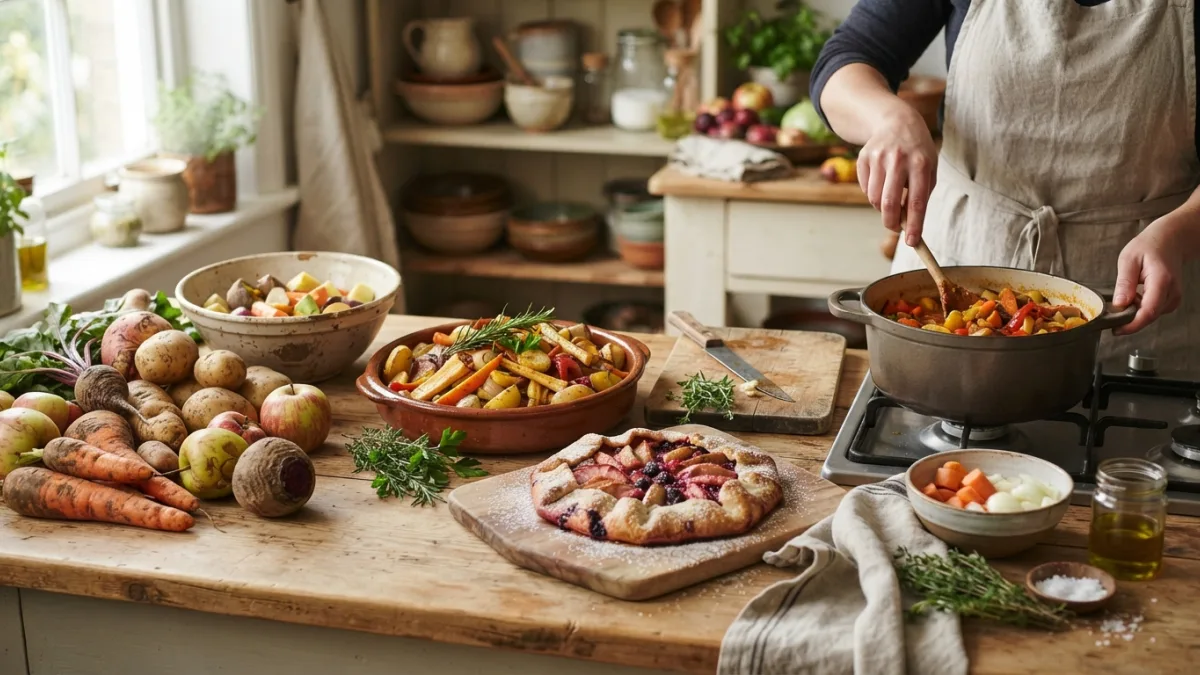
Ugly Produce: 10 Easy Recipes to Cut Food Waste Fast
That bendy carrot, the apple with a soft spot, the bananas covered in brown freckles: most of us have tossed them without a second thought. But ugly produce is often perfectly good food, and a few smart recipes can turn it into dinner, dessert, or a freezer stash. This guide shares ten easy ideas you can cook this week. It also covers how to check what is safe, how to keep food fresh, and how to shop in ways that waste less. You do not need fancy skills, just a knife, a pan, and a little curiosity.
Why Ugly Produce Still Deserves a Place on Your Plate
Looks and flavor are two different things. A twisted cucumber or a scarred potato usually tastes just like its smooth cousin, and many soft, spotty fruits are actually sweeter. Wasted food hurts household budgets and the planet, and agencies such as the U.S. Environmental Protection Agency publish guidance on preventing it. When you cook with ugly produce, you keep edible food out of the bin and make use of the water, land, and energy that went into growing it. For a wider look at where food loss happens, this overview of food waste is a helpful starting point. If you want to dig deeper, our guide on How to Store Fresh Herbs and Greens So They Last Longer (Without Plastic Bags) covers this in more detail.
How to Sort Imperfect Fruits and Vegetables Before You Cook
Not every flaw is harmless, so start with a quick check. Ugly produce is only a bargain when it is still safe to eat. Trust your eyes, nose, and fingers, and remember the old rule: when in doubt, throw it out. The government site FoodSafety.gov has reliable advice on handling and storing food if you want to go deeper. Here is a simple way to sort what you find in your kitchen:
- Use as is: odd shapes, scars on the skin, wilted leaves, limp carrots, and bananas with brown spots.
- Trim first: small bruises or soft patches on firm fruit and vegetables. Cut them out and keep the good part.
- Throw away: mold on soft fruit, slimy vegetables, and anything that smells sour or rotten.
Overripe Banana Recipes for Spotty Peels
Bananas are the easiest place to start. As the peel darkens, the starch turns to sugar, so the fruit gets softer, sweeter, and easier to mash. That makes it perfect for baking and breakfast. You can also peel and freeze them whole when you are too busy to cook. These two recipes need almost no effort and use ingredients you probably already have.
Recipe 1: Two-Ingredient Banana Pancakes
Mash two ripe bananas in a bowl until they are almost smooth. Whisk in two eggs. That is the whole batter. Heat a lightly oiled pan over medium-low heat and cook small pancakes, about two minutes per side. Keep them small, because they are delicate and tricky to flip. A pinch of cinnamon or a spoonful of oats makes them more filling. Serve with yogurt, berries, or a drizzle of honey. It is a quick breakfast that turns the sad fruit bowl into something you actually look forward to.
Recipe 2: Frozen Banana “Nice Cream”
Peel ripe bananas, slice them, and freeze the pieces on a tray until solid. Then blast them in a food processor. At first the mix looks crumbly, but keep going and it turns creamy, like soft-serve ice cream. Add a spoonful of peanut butter, a little cocoa powder, or a handful of frozen berries for extra flavor. Eat it right away for the best texture. If you want to save leftovers, spoon them into a container and freeze, then let them soften for a few minutes before scooping.
Savory Rescues for Tired Vegetables
Limp celery, floppy carrots, and soft greens may not look pretty, but heat and seasoning bring them back to life. Cooking hides most texture problems, so these recipes work well for produce that has lost its crunch. They also help you clear the fridge before your next shop. Each one is flexible, so swap in whatever you have.
Recipe 3: Wilted Vegetable Soup From Whatever Is Left
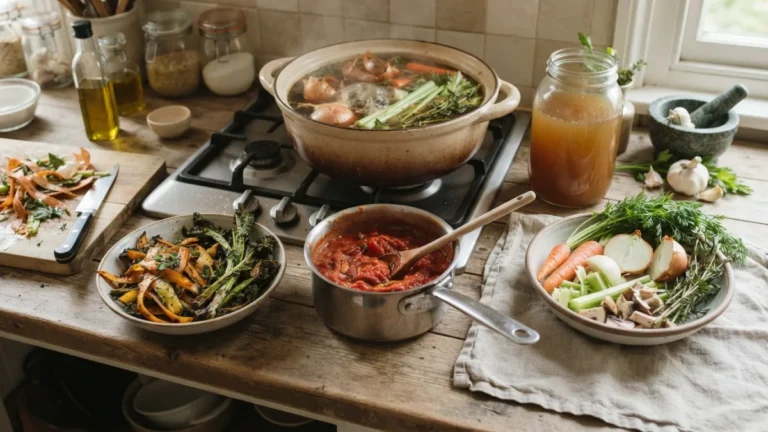
Soup is the classic answer for tired vegetables. Chop an onion and two garlic cloves, then soften them in olive oil. Add about four cups of chopped carrots, celery, potatoes, zucchini, or cabbage, plus enough stock or water to cover. Simmer for 20 to 25 minutes until everything is tender. Blend it for a smooth soup, or leave it chunky. Finish with salt, pepper, and a squeeze of lemon or a splash of vinegar to wake up the flavor. Add beans or rice if you want a heartier bowl. This connects closely with another common issue — see One-Pot Low-Waste Meals: Simple Recipes That Use Up Leftovers for more on that.
Recipe 4: Wilted Greens Pesto
Soft spinach, tired kale, and even carrot tops make a bright, tasty pesto. Blend about two cups of greens with a handful of nuts, one garlic clove, a spoonful of grated hard cheese, lemon juice, salt, and enough olive oil to make a spreadable sauce. Taste it and adjust. If the greens are slightly bitter, add a bit more cheese or lemon. Stir it through pasta, spread it on toast, or spoon it over roasted vegetables. Keep it in a jar in the fridge with a thin layer of oil on top.
Recipe 5: Cracked Tomato Sauce
Split, soft, or scarred tomatoes are ideal for sauce, because cooking breaks them down anyway. Cut away any bad spots, then chop the rest. Warm olive oil in a pan, add sliced garlic, and pour in the tomatoes with a good pinch of salt. Simmer for about 30 minutes, stirring now and then, until thick and glossy. Add basil, oregano, or a pinch of chili if you like. Use it on pasta, pizza, or eggs, or freeze it in small containers for busy nights.
Recipe 6: Fridge-Cleanout Frittata
A frittata is a forgiving dish that welcomes odds and ends. Cook chopped onions and any leftover vegetables, such as peppers, mushrooms, zucchini, or greens, in an oven-safe pan until soft. Beat six eggs with a little salt and pepper, then pour them over the vegetables. Scatter on some cheese. Cook on low heat for a few minutes until the edges set, then finish in a hot oven or under the grill until the top is golden. Slice it into wedges. It tastes great hot, warm, or cold, so it also works as lunch the next day.
Bruised Apple Dessert Ideas That Hide the Dents
An apple that fell from the bag or sat too long in the drawer still has plenty of sweetness inside. Cut out the bruised parts and use the rest. These bruised apple dessert ideas rely on heat and a little spice, which soften the fruit and make small flaws disappear. Both recipes work with soft, mealy apples that are not great for eating raw.
Recipe 7: Easy Baked Apple Crumble
Heat your oven to 180°C (350°F). Slice four or five apples and toss them with cinnamon and a spoonful of sugar or honey. Spread them in a baking dish. For the topping, rub together a cup of oats, half a cup of flour, a quarter cup of sugar, and about four tablespoons of cold butter until crumbly. Sprinkle it over the fruit and bake for 35 to 40 minutes, until the top is golden and the apples bubble. Serve warm with yogurt or ice cream.
Recipe 8: Quick Stovetop Applesauce
Applesauce might be the easiest recipe in this list. Chop the apples into chunks, trimming any bruises. Leave the peel on if you like, since it adds color and fiber. Put the pieces in a pot with a few tablespoons of water and a pinch of cinnamon. Cover and cook over medium-low heat for 15 to 20 minutes, stirring now and then, until very soft. Mash with a fork for a rustic sauce or blend until smooth. Taste before adding any sugar, because ripe apples are often sweet enough on their own. You might also find our article on Fridge Organization: 7 Easy Zones to Cut Food Waste helpful here.
Freeze Surplus Fruit Before It Goes Soft
If you cannot cook right away, the freezer is your best friend. You can freeze surplus fruit when it is ripe but not yet spoiled, then use it weeks later. A simple trick keeps the pieces from sticking together: spread them on a tray in a single layer, freeze until firm, then move them into a bag or container. Label it with the date so nothing gets lost at the back. These two ideas make frozen fruit useful, not forgotten.
Recipe 9: Grab-and-Blend Smoothie Packs
Fill freezer bags with portions of chopped fruit, such as soft peaches, berries, mango, and the odd banana. Add a handful of spinach if you like. Each bag should hold enough for one smoothie. When you are ready, tip a pack into the blender with milk, yogurt, or juice and blend until smooth. Because the fruit is already frozen, you do not need ice. This habit turns random leftovers into a ready-made breakfast and saves you from buying a fresh batch every few days.
Recipe 10: Five-Minute Chia Fruit Jam
Soft berries, plums, or peaches make a quick jam without the long cooking. Put two cups of chopped fruit in a small pan and warm it over medium heat until it breaks down. Mash it lightly. Stir in one to two tablespoons of chia seeds and a spoonful of honey, then cook for a couple more minutes. Let it cool, and it thickens as the seeds absorb liquid. Spoon it into a clean jar and keep it in the fridge. Eat it within a few days on toast, oats, or yogurt.
Simple Habits to Store Fresh Produce Longer
The best way to cook less ugly produce is to slow down the aging process in the first place. A few small habits help you store fresh produce longer without any special gear. Most of them take seconds, and they protect both your food and your money.
- Keep bananas away from other fruit, since they give off a gas that speeds up ripening.
- Wash berries just before eating, not when you bring them home, because extra moisture invites mold.
- Store herbs and leafy greens with a little moisture control, such as a paper towel in a container.
- Keep potatoes and onions in a cool, dark place, and store them apart from each other.
- Leave tomatoes on the counter until ripe, then use them quickly.
Is an Imperfect Produce Delivery Box Worth Trying?
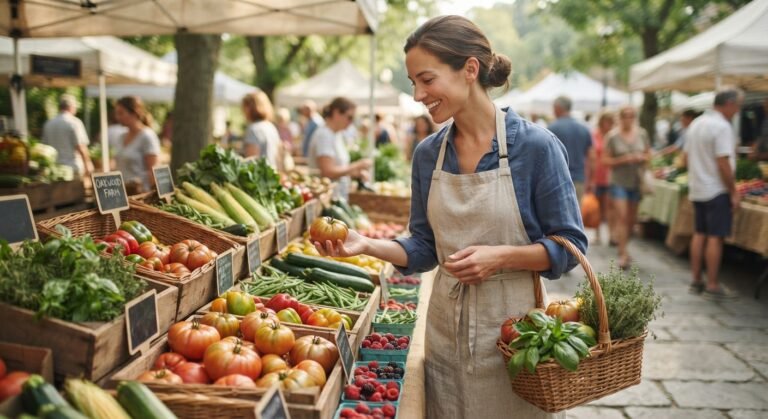
An imperfect produce delivery box is one way to buy odd-shaped fruit and vegetables that might not make it onto supermarket shelves. Some services also sell surplus items that growers could not place elsewhere. Availability, prices, and quality differ a lot by region and company, so compare a few options before you sign up. Look for flexible plans that let you skip a week or choose your items. A box can make ugly produce feel normal, but only if you plan meals around it and use everything before it spoils.
Reduce Food Waste at Home With One Weekly Habit
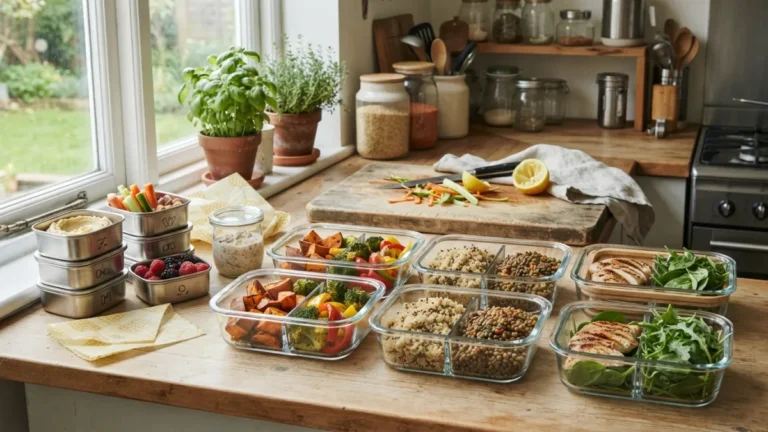
You do not have to change your whole routine to reduce food waste at home. Pick one night a week as a “use-it-up” meal, and build it from whatever is soft, spotty, or forgotten in the fridge. Soup, frittata, and sauce are perfect for this. Check the fridge before you shop, move older items to the front, and freeze anything you will not cook in time. Within a few weeks, the habit becomes automatic, and your bin gets lighter. For a related walkthrough, check out Reducing Food Waste: 7 Essential Tips for Shared Kitchens.
Ugly produce does not need to be hidden or apologized for. It needs a plan. Start with one recipe from this list, maybe the banana pancakes or a pot of soup, and see how it goes. Each rescued apple, tomato, or banana saves money, saves effort, and keeps good food out of the trash. Once you try it, you may find that the bumpy, bruised, and wilted foods are the ones you end up enjoying most.
FAQ: Cooking With Ugly Produce
Is ugly produce safe to eat?
Usually yes, if the flaw is only cosmetic, such as an odd shape, a scar, or a small bruise. Cut away damaged spots on firm items. Throw out anything slimy, moldy (especially soft fruit), or foul-smelling. Check FoodSafety.gov if you are unsure.
Does ugly produce taste different?
Most of the time, it tastes the same as perfect-looking produce. Overripe fruit is often sweeter, while wilted vegetables lose crunch but keep their flavor. Cooking is the easiest way to hide any texture changes.
What can I make with wilted vegetables?
Soup, frittata, pesto, stir-fry, and sauce all work well. Chop the vegetables, cook them until tender, and add salt, herbs, and a little acid like lemon juice to brighten the taste.
Can I freeze fruit that is starting to go soft?
Yes, as long as it is not moldy or rotten. Cut the fruit into pieces, freeze them on a tray, then move them to a bag. Use the frozen fruit in smoothies, baking, or quick jam.
How can I stop produce from getting ugly so fast?
Buy only what you will use, store items correctly, and keep ethylene-producing fruit like bananas away from other produce. Check your fridge often and cook the softest items first.