Low Waste Meal Prep: 7 Simple Tips for a Perfect Week
You open the fridge on Thursday and find wilted greens, a half-used onion, and three containers you forgot about. That familiar sense of guilt hits, because you know you will throw most of it away. low waste meal prep changes that pattern by helping you buy only what you need, cook with purpose, and actually eat what you make. Instead of starting the week with big ambitions and ending it with a full trash bin, you start with a clear plan that respects your time, your budget, and the food itself. This approach is not about perfection or buying expensive gear. It is about small, repeatable habits that make your kitchen run more smoothly, day after day.
Most food waste at home does not come from major cooking failures. It comes from small, everyday decisions: buying too much, forgetting what you have, or cooking portions that do not match your real life. A busy schedule makes it easy to overbuy on Sunday and order takeout by Wednesday, leaving fresh ingredients to spoil. When you bring a little structure to your week, you break that cycle. Good meal planning gives you a realistic map of what you will eat, when you will eat it, and how leftovers fit in. You do not need a strict diet or a complicated system. You just need to look at your calendar, check your pantry, and build a flexible menu that works with your energy levels, not against them. If you want to dig deeper, our guide on One-Pot Low-Waste Meals: Simple Recipes That Use Up Leftovers covers this in more detail.
Why low waste meal prep Is Worth the Effort
Choosing to waste less food helps your household in very practical ways. You spend less money when you use what you buy, and you save time when you are not making extra trips to the store to replace spoiled items. There is also a bigger picture. Food that ends up in the trash creates pressure on landfills and wastes the water and energy used to grow and transport it. The U.S. Environmental Protection Agency offers helpful guidance on reducing wasted food at home that shows how small household actions add up. low waste meal prep connects those daily choices to a larger habit. When you plan portions carefully and store food well, you keep ingredients at their best for longer and give yourself a better chance to enjoy them.
low waste meal prep: 7 Simple Tips for a Perfect Week
1. Shop Your Kitchen First
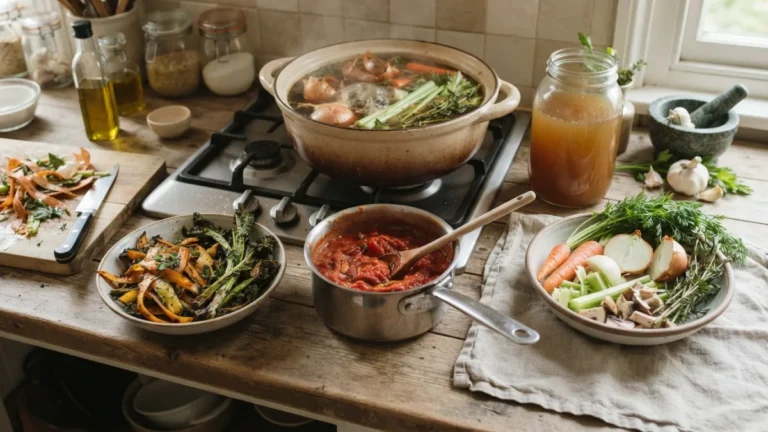
Before you write a shopping list, take five minutes to see what you already have. Check the fridge, freezer, and pantry shelf by shelf. You will often find half a bag of lentils, a jar of salsa, or frozen vegetables that can anchor a meal. This simple check is the core of a zero waste kitchen because it prevents you from buying duplicates and helps you use items before they expire. low waste meal prep always starts with this inventory, not with a store aisle. Make a quick list of what needs to be used first and build your menu around those ingredients. If you have carrots that are getting soft, plan a soup or roast. If you have cooked rice in the freezer, turn it into fried rice. You save money and you start the week with less clutter.
2. Build Meals Around Overlapping Ingredients
One of the smartest food waste tips is to choose ingredients that can appear in more than one dish. If you buy a bunch of cilantro for tacos, plan a second meal that also uses it, like a grain bowl or a soup. The same logic works for proteins, grains, and vegetables. A roast chicken can become chicken salad, and leftover roasted sweet potatoes can go into breakfast hash. This kind of meal planning reduces the chance that a single item will sit unused until it spoils. It also makes shopping simpler and cooking faster. low waste meal prep does not mean eating the same lunch every day. It means designing a menu where parts work together. Write your plan on paper or in a notes app and look for those links. When ingredients support each other, you throw away less and enjoy more variety. This connects closely with another common issue — see Zero-Waste Baking: What to Do with Extra Dough, Egg Whites, and Kitchen “Scraps” for more on that.
3. Get Portion Planning Right Before You Cook
Cooking too much is a common reason food gets wasted, even when intentions are good. Portion planning helps you match what you cook to what you will actually eat. Start by checking your week. How many lunches do you need at home? Will you eat out on Friday? How hungry is your family after late activities? Use those answers to decide how many servings to make. A simple way is to count needed portions first, then scale recipes to match. For example, if you need four lunches, cook four, not eight. You can also use smaller pots and pans to keep batches realistic. For more ideas on keeping food out of the trash, see these resources on food loss and waste from the USDA. low waste meal prep works best when your portions fit your life, not an ideal version of it. When you cook the right amount, leftovers stay exciting instead of becoming a chore.
4. Cook Once, Use Twice
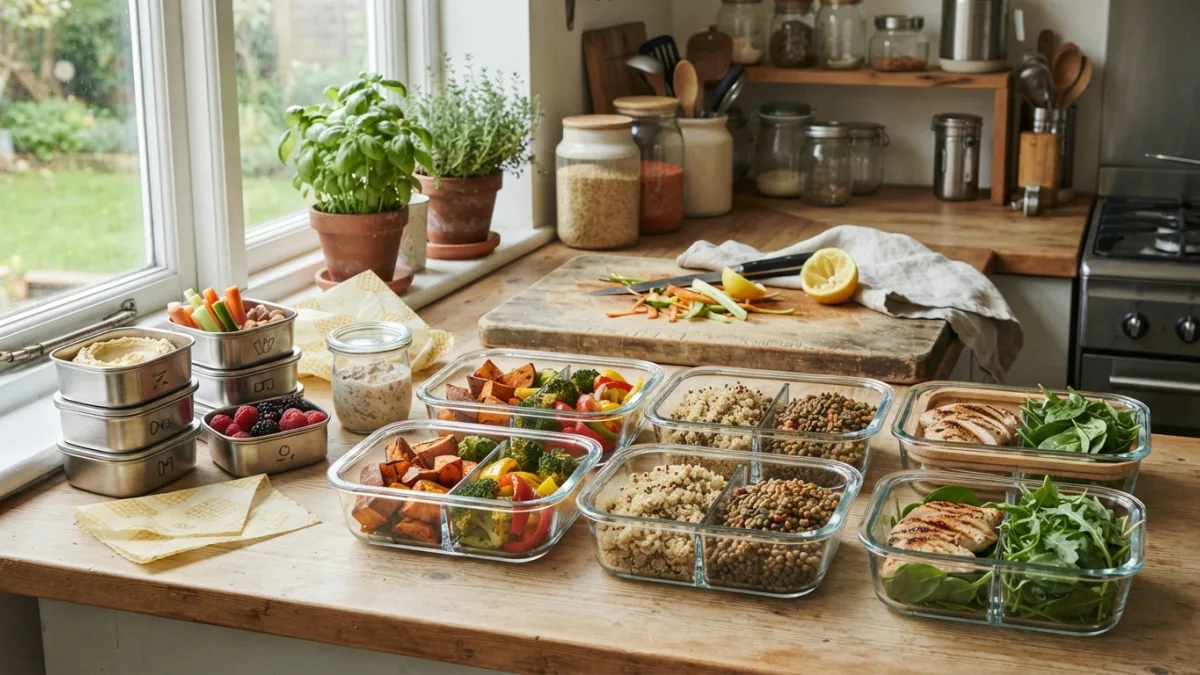
You do not have to cook a completely different meal every night to eat well. A better strategy is to prepare versatile bases that can change shape during the week. Cook a big pot of quinoa, roast a tray of mixed vegetables, or simmer a simple bean stew. Then use those bases in different ways. Quinoa can be a warm side dish on Monday and a cold salad with lemon and herbs on Wednesday. Roasted vegetables can fill wraps, top pasta, or blend into soup. This method keeps cooking interesting and prevents flavor fatigue, which often leads to waste. low waste meal prep leans on this flexibility. You save energy by using the oven once, and you save ingredients by giving them more than one job. Keep seasonings simple at first, then add fresh sauces or spices later so each meal feels new.
5. Choose Reusable Containers That Actually Work for You
The containers you use make a real difference in whether food stays fresh and gets eaten. Look for reusable containers that seal tightly, stack neatly, and are easy to see through so you do not forget what is inside. Glass containers last a long time, do not stain, and can go from fridge to oven, while sturdy BPA-free plastic is lighter for carrying lunches. Stainless steel is another strong option for dry foods and snacks. Choose a few sizes that match your typical portions instead of one giant set you never use. Wash and dry them fully before storing to avoid odors. low waste meal prep is easier when your containers fit your fridge, your bag, and your routine. When the right container is clean and ready, you are more likely to pack that lunch and skip single-use packaging. You might also find our article on Reusable Jar System: 7 Easy Steps for Bulk Food Storage helpful here.
6. Label, Date, and Store With Care
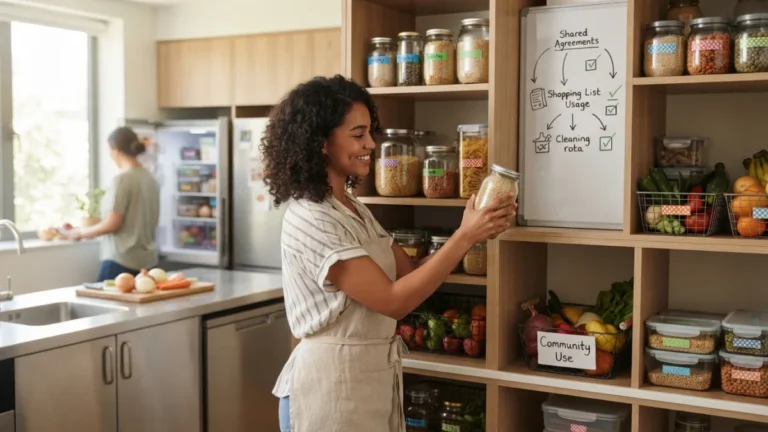
Even the best plan falls apart if you cannot find what you made. A simple labeling habit solves that. Use a piece of masking tape or a dry-erase marker to write what is inside and when you made it. Place newer items behind older ones so you reach for the oldest first. This first-in, first-out rotation is a classic food waste tip used in professional kitchens, and it works just as well at home. Store foods where they keep best. Keep herbs in water like flowers, keep bread frozen if you will not eat it in two days, and let hot food cool slightly before sealing to avoid condensation. low waste meal prep depends on visibility and order. Try these habits:
- Keep a small inventory list on the fridge and cross items off as you use them.
- Store cut vegetables in water to keep them crisp for an extra day or two.
- Freeze sauces and grains in single portions for quick future meals.
7. Give Leftovers a Second Life
Leftovers do not have to be a repeat of yesterday’s dinner. Think of them as ingredients for something new. Stale bread becomes croutons or breadcrumbs, soft vegetables blend into a quick soup, and extra cooked chicken can fill tacos or top a salad. Keep a few flexible recipes in mind that welcome odds and ends, like stir-fries, frittatas, and grain bowls. These dishes are forgiving and let you use small amounts of many things at once. Add a fresh element, like a squeeze of citrus or a handful of herbs, to brighten the flavors. low waste meal prep shines here because you planned for this moment. You already have the building blocks, so you can assemble a satisfying meal in minutes instead of starting from scratch. When you treat leftovers as a starting point, you waste less and cook with more creativity.
Putting It All Together for the Week Ahead
A low-waste week does not require a perfect pantry or hours of free time. It grows from steady, small choices that fit your real life. Start with one or two tips from this list and practice them until they feel natural. Maybe you begin by checking your fridge before shopping, then add portion planning the next week. Over time, these habits build a calmer kitchen where food gets used and meals feel easier. You will notice fewer last-minute grocery runs, less clutter in the fridge, and more confidence when you cook. For a broader look at why this matters, you can explore the overview of food waste and its impacts to see how household efforts connect to larger systems. low waste meal prep is not about doing everything right. It is about doing a few things consistently, so your week runs smoothly and nothing good goes to waste. For a related walkthrough, check out How to Read Food Labels for Sustainable, Ethical Choices.
Frequently Asked Questions
How long can meal prepped food stay fresh in the fridge?
Most cooked meals stay good for three to four days when stored in clean, airtight reusable containers and kept cold. If you prep for a full week, freeze the meals for the later days and move them to the fridge the night before you need them.
What are the best reusable containers for low waste meal prep?
Glass containers with locking lids are great for freshness and reheating, while lightweight BPA-free plastic and stainless steel work well for lunches on the go. Choose clear containers in a few portion sizes so you can see what you have and avoid forgetting it.
How do I avoid getting bored with prepped meals?
Prep neutral bases like grains, beans, and roasted vegetables, then change flavors with different sauces, spices, and fresh toppings. This keeps meals varied without cooking entirely new dishes every day.
Can I do low waste meal prep on a tight budget?
Yes. Start by using what you already have, plan overlapping ingredients, and buy only what your portion plan requires. Cooking the right amount and repurposing leftovers saves money because you throw away less food.
How do I start meal planning if I have never done it before?
Check your calendar for the week, inventory your kitchen, and pick three to four simple meals that share ingredients. Write a short shopping list based only on what you are missing, and keep the plan flexible so you can adjust as the week goes.