How to Make Secondhand Shopping Your First Choice (Without Feeling Deprived)
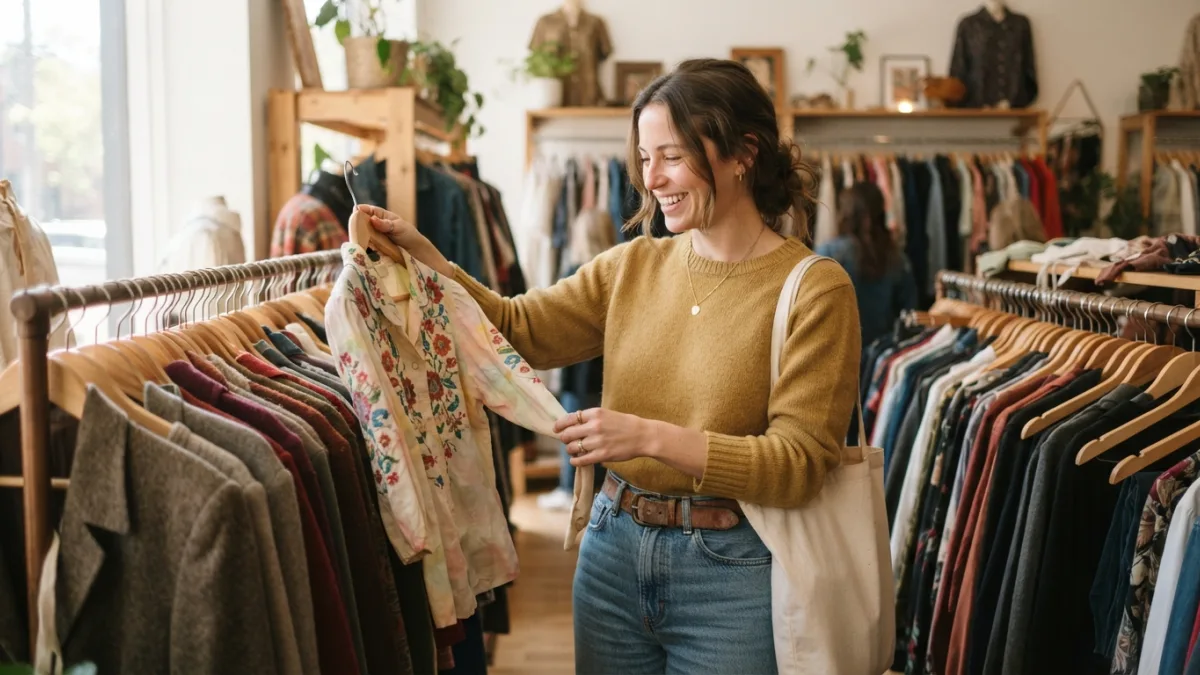
There’s a moment every secondhand shopper knows well: you’re flipping through a rack at a thrift store, expecting nothing, and suddenly you spot it — a barely-worn leather jacket, a designer blazer, a vintage dress that looks like it was made for you. Secondhand shopping used to carry a stigma, something people did out of necessity rather than choice. That’s changed dramatically. Today, buying used clothes and household goods is a smart, stylish, and environmentally responsible habit that more people are choosing on purpose, not as a last resort. The real trick isn’t convincing yourself to try it once. It’s building habits that make secondhand shopping your default, so you never feel like you’re missing out on something better. This guide breaks down exactly how to do that.
Why Secondhand Shopping Deserves a Spot at the Top of Your List
Fast fashion has trained us to think newer is always better, but that logic falls apart once you start paying attention to quality. Many secondhand items were made in an era when clothing was built to last, using sturdier fabrics and better stitching than what you’ll find on today’s discount racks. Beyond quality, there’s the financial upside: you can often find the same brands you’d buy new for a fraction of the price. Then there’s the environmental angle, which matters more each year as textile waste piles up in landfills. Choosing secondhand shopping over buying new reduces demand for new production, which in turn cuts down on water use, carbon emissions, and chemical runoff. None of this requires sacrifice. It just requires a shift in where you look first. If you want to dig deeper, our guide on 10 Sustainable Habits That Take Less Than 5 Minutes covers this in more detail.
Shifting Your Mindset From “Settling” to “Scoring”
The biggest barrier to secondhand shopping isn’t availability or price. It’s the mental script that says used means worse. Flip that script and treat every thrift store visit like a treasure hunt rather than a compromise. Instead of asking “what am I giving up by not buying new,” ask “what am I gaining by finding something unique.” A secondhand find often comes with a story, a slightly different cut, or a texture you won’t see mass-produced anywhere else. People who shop this way regularly stop seeing limitations and start seeing possibilities. It helps to remind yourself that many high-end resale shoppers brag about their finds precisely because uniqueness has become the new status symbol. Rarity, not newness, is what impresses people now.
Building a Secondhand Shopping Strategy That Actually Works
Know Your Best Sources
Not all secondhand outlets are created equal, and knowing where to look saves you time and frustration. Thrift stores run by charities tend to have the widest variety but require more digging. Consignment shops curate more carefully, so prices are higher but quality control is better. Online resale platforms let you search by brand, size, and condition, which is useful if you have something specific in mind. Estate sales and yard sales are underrated for furniture and home goods. Building a mental map of your go-to sources means you’re not wasting weekends wandering aimlessly. Instead, you develop a rhythm, checking your favorite spots regularly so you catch new inventory before anyone else does.
Timing Is Everything
Inventory at thrift stores turns over constantly, often daily, which means the best thrift store finds go to people who show up consistently rather than those who visit once and give up. Many stores restock shelves on specific days after processing donations, and asking staff about their schedule can give you an edge. Shopping right after major seasonal transitions, like the switch from summer to fall, often uncovers barely-used items people cleared out of their closets. Online platforms reward speed too, since good listings get scooped up fast. Setting alerts for specific brands or sizes helps you catch things before they disappear. Patience combined with consistency beats random luck almost every time. This connects closely with another common issue — see Low-Waste Commuting: Walking, Cycling, Public Transport, and Carpooling Tips for more on that.
Thrift Shopping Tips for Finding Quality Over Quantity
Successful thrifting isn’t about buying everything that looks decent. It’s about training your eye to spot quality fast so you don’t waste time or money. Check seams and stitching first, since loose threads or uneven hems often signal poor construction that won’t hold up. Feel the fabric: natural materials like cotton, wool, and linen generally age better than cheap synthetic blends. Look at buttons, zippers, and hardware, because these small details are expensive to replace and often reveal a garment’s original price point. Smell items for mustiness, which can indicate storage issues that are hard to reverse. Finally, try things on whenever possible, since sizing has changed dramatically over the decades and a tag size rarely tells the full story anymore.
Making Buying Used Clothes Feel Fresh and Personal
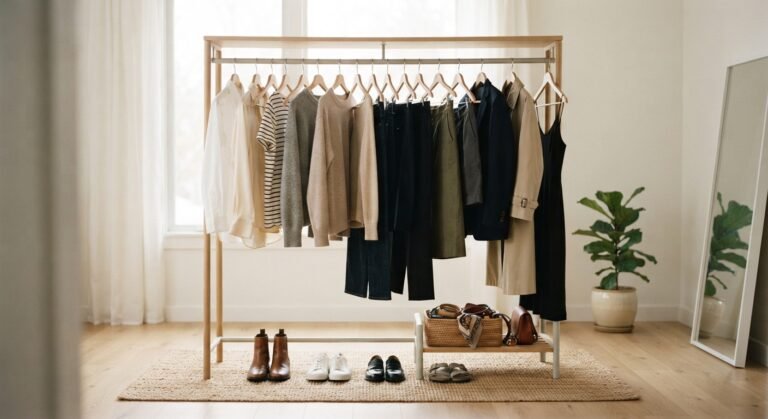
One reason people hesitate to fully commit to buying used clothes is the worry that secondhand items will feel outdated or ill-fitting. A few small adjustments solve this quickly. Simple tailoring, like hemming pants or taking in a waist, transforms an okay find into something that looks custom-made. Swapping out buttons or adding a belt can modernize an older piece without much effort. Washing everything thoroughly before wearing it, using a fabric refresher if needed, also helps items feel truly yours rather than borrowed. Mixing secondhand pieces with items you already own keeps your style cohesive instead of looking like a costume. Over time, this combination approach becomes so natural that you stop distinguishing between what was bought new and what was thrifted.
The Sustainable Fashion Payoff
Making sustainable fashion choices doesn’t require overhauling your entire wardrobe overnight. Small, consistent decisions add up faster than most people expect. Choosing one secondhand item over a new purchase each month already reduces your personal contribution to textile waste significantly. Supporting secondhand markets also sends a signal to the fashion industry that consumers value longevity and reuse over constant novelty. Many shoppers find that once they start prioritizing quality and story over trend-chasing, their overall consumption naturally slows down. This isn’t about guilt or restriction. It’s about recognizing that the clothes already in circulation can meet most of your needs, and that discovering them can be genuinely enjoyable rather than a chore you tolerate for ethical reasons. You might also find our article on 30-Day Eco Challenge for Beginners: Tiny Daily Habits That Add Up helpful here.
When to Still Buy New (And How to Do It Better)
Committing to secondhand shopping doesn’t mean swearing off new purchases entirely, and pretending otherwise sets you up for frustration. Certain items make sense to buy new, including undergarments, swimwear, and specialized athletic gear where fit and hygiene matter most. Shoes can also be tricky secondhand since they mold to the previous owner’s feet over time. For these exceptions, focus on buying fewer, better-made pieces designed to last rather than cheap versions you’ll replace within a year. This hybrid approach, secondhand for most things and thoughtful new purchases for the rest, tends to feel more sustainable long-term than an all-or-nothing rule that eventually breaks under real-life pressure.
Turning Eco-Friendly Shopping Habits Into a Lifestyle
The goal isn’t a single secondhand purchase you feel proud of once. It’s building eco-friendly shopping habits sturdy enough to survive impulse trips to the mall or late-night online browsing. Start by removing fast fashion apps from your phone’s home screen, replacing them with resale platforms instead. Set a rule for yourself, like checking secondhand options first before buying anything new, and give yourself a week before making non-essential purchases. Tell friends and family about your approach, since social accountability makes habits stick. Celebrate your finds publicly if that motivates you, whether through photos, conversations, or simply wearing them with pride. Over time, secondhand shopping stops feeling like an alternative choice and simply becomes how you shop.
Frequently Asked Questions
Is secondhand shopping actually cheaper than buying new clothes?
In most cases, yes. Thrift and consignment prices are typically a fraction of retail, even for well-known brands. The savings are biggest on higher-quality items that would otherwise cost significantly more new. For a related walkthrough, check out Sustainable Living on a Budget: Where to Start.
How do I know if a secondhand item is good quality?
Check the stitching, fabric, and hardware closely. Natural fibers, tight seams, and sturdy zippers or buttons usually indicate a well-made piece that will hold up over time.
What’s the best way to find specific items secondhand?
Online resale platforms let you search by brand, size, and condition, which is faster than browsing physical racks. Setting alerts for specific searches helps you catch new listings quickly.
Should I wash secondhand clothes before wearing them?
Always. Washing removes dust, odors, and any residue from previous storage, and it helps the item feel genuinely fresh and truly your own before you wear it.
Can secondhand shopping really make a difference environmentally?
Yes. Every secondhand purchase reduces demand for new production, which lowers water use, emissions, and textile waste. Small individual choices add up when enough people make them consistently.