How to Talk to Family About Living More Sustainably
Thanksgiving dinner probably isn’t the place you imagined debating composting bins or solar panels, but for many of us, family gatherings have become exactly that. If you’ve ever tried to talk to family about living sustainably and watched the conversation turn tense within minutes, you’re not alone. The topic can feel loaded, especially when generations disagree about what “doing your part” even means. Some relatives see reusable straws as common sense, while others view any mention of climate change as a lecture in disguise. The good news is that these conversations don’t have to end in eye rolls or slammed doors. With the right approach, timing, and tone, you can turn an awkward topic into a shared project that actually brings your family closer together, rather than pulling it apart.
Why These Conversations Feel So Hard
Talking about sustainability at home often stirs up more emotion than people expect. It’s rarely just about recycling bins or grocery bags. For older generations, suggestions to change long-held habits can feel like criticism of how they raised their kids or ran their households for decades. For younger family members, watching relatives ignore environmental concerns can feel personal, almost like a rejection of their future. Add in political associations that have attached themselves to words like “climate” or “green,” and suddenly a simple suggestion to switch light bulbs turns into a proxy war for bigger ideological differences. Recognizing this emotional layer before you start talking makes a real difference. You’re not just discussing habits; you’re touching identity, generational pride, and sometimes even guilt, so patience matters more than being right. If you want to dig deeper, our guide on Sustainable Living on a Budget: Where to Start covers this in more detail.
Start With Curiosity, Not a Lecture
One of the fastest ways to shut down a conversation is to walk in sounding like you already have all the answers. Instead, try asking questions. What did your parents or grandparents do growing up that already counted as sustainable, even if they never called it that? Chances are, older relatives grew up mending clothes, growing vegetables, or saving leftovers long before “zero waste” became a trending phrase. Pointing this out respectfully can shift the entire tone of the discussion. Rather than framing sustainable living as something new they need to learn, you’re acknowledging it as something they already understand, just under a different name. This approach makes family conversations about environment feel like a shared history lesson instead of a modern lecture aimed at correcting outdated behavior.
How to Talk to Family About Living Sustainably Without Starting a Fight
Timing and setting matter just as much as the words you choose. Bringing up composting during a stressful holiday dinner, in front of extended relatives, rarely goes well. Instead, look for calmer, one-on-one moments, maybe while cooking together, driving somewhere, or doing yard work. These low-pressure settings make people less defensive and more open to genuine dialogue. It also helps to lead with observations about your own life rather than pointing out what others should change. Saying “I’ve been trying to cut down on plastic in my kitchen” invites conversation, while “You use way too much plastic” invites conflict. Small wording shifts like this often decide whether a discussion turns into a productive exchange of sustainable living tips or a defensive standoff nobody enjoys.
Focus on Shared Values, Not Just the Environment
Not everyone connects with sustainability through climate statistics or scientific studies, and that’s perfectly fine. Many people respond much more strongly to values they already hold dear, like saving money, protecting family health, or leaving something meaningful behind for grandchildren. Reducing food waste, for example, can be framed around stretching a grocery budget further rather than saving the planet in the abstract. Choosing safer cleaning products can be discussed in terms of protecting kids or pets from harsh chemicals, not just reducing environmental harm. When you connect sustainability to values your family already prioritizes, the conversation becomes less abstract and far more persuasive. People rarely change habits because they’re told they should; they change when they see how it fits into what they already care about most. This connects closely with another common issue — see 10 Sustainable Habits That Take Less Than 5 Minutes for more on that.
Bring Practical Ideas, Not Just Big Ideals
Grand statements about saving the planet can feel overwhelming, especially to relatives who are busy managing jobs, bills, and daily responsibilities. Practical, specific suggestions tend to land much better than sweeping declarations. Instead of saying “we all need to live more sustainably,” try offering one small, doable idea at a time. This keeps the conversation grounded and avoids making anyone feel judged for not doing everything at once.
- Switching to reusable shopping bags for weekly grocery runs
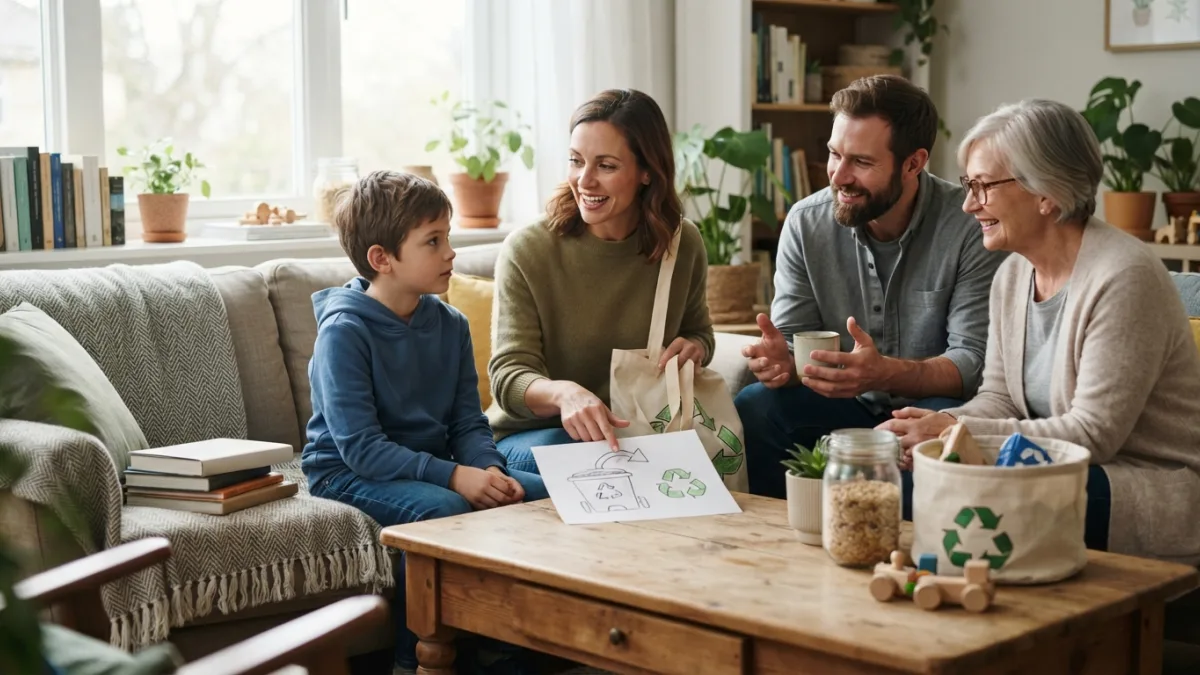
- Setting up a simple recycling system that’s easy for everyone to follow
- Trying one meatless dinner a week as a family experiment
- Unplugging chargers and unused electronics to lower energy bills
- Donating unused clothes instead of throwing them away
These small, eco-friendly habits feel manageable rather than intimidating, and success with one often builds confidence to try another.
Handling Skepticism Without Losing Your Cool
At some point, someone in the family will likely push back, questioning whether one household’s choices really matter in the grand scheme of things. Rather than getting defensive, acknowledge the point honestly. It’s true that no single family can solve climate change alone, and pretending otherwise can make the whole conversation feel dishonest. Instead, shift the focus to what individual actions do accomplish: saving money, reducing clutter, teaching kids good habits, and building routines that add up over time within your own household. You can also gently point out that widespread change often starts with normalized behavior, not perfection. When people see reducing household waste as a practical family habit rather than a moral test, skepticism tends to soften, and the conversation becomes far less confrontational than either side expected. You might also find our article on How to Build a Capsule Wardrobe (Sustainable Style Guide) helpful here.
Involve Different Generations in Different Ways
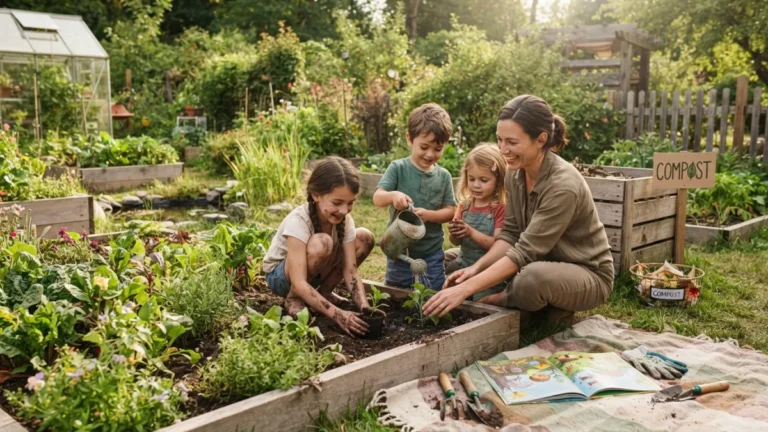
A one-size-fits-all approach rarely works across a multigenerational household, so it helps to tailor conversations by age and interest. Grandparents may respond well to nostalgia, remembering how little waste existed in their own childhoods. Parents juggling work and kids often care most about convenience and cost savings, so ideas that simplify routines tend to resonate. Teenagers and young adults, meanwhile, are frequently already motivated by environmental concerns from school or social media, and may need less convincing but more support turning interest into action at home. Younger children respond best to hands-on activities, like sorting recycling or growing something in a small garden. By adjusting your language and examples to match each generation’s priorities, you turn a single big debate into several smaller, more successful conversations that build toward the same shared goal.
Making It a Team Project Instead of a Personal Crusade
Sustainability sticks best when it feels like something the whole family builds together, rather than a set of rules one person enforces. Instead of positioning yourself as the household’s environmental police, invite everyone to help choose which changes to try first. Maybe your parents pick the recycling system, your siblings choose a weekly meal swap, and your kids design a simple chore chart for composting. Letting people have ownership over the parts they choose dramatically increases the odds they’ll stick with them. It also removes the sense that sustainable living is something being imposed from outside. Framing it as a family project, complete with small wins to celebrate, transforms a potentially divisive topic into a source of shared pride, similar to any other home improvement or budgeting goal your family might tackle together.
What to Do When Someone Simply Won’t Budge
Not every relative will come around, and that’s an important reality to accept early on. Some people change habits slowly, some resist out of stubbornness, and a few may never fully embrace green lifestyle changes no matter how you present them. In these cases, it helps to protect the relationship over winning the argument. Continue modeling sustainable choices in your own life without repeatedly bringing it up, since consistent behavior often influences people more than persistent persuasion ever does. Avoid framing disagreements as a measure of how much someone loves the family or cares about the future, since that kind of pressure usually backfires. Sometimes the most effective long-term strategy is simply staying patient, letting curiosity build naturally over time, and trusting that visible, steady example speaks louder than any single conversation ever could. For a related walkthrough, check out How to Reduce Food Waste at Home (Practical Guide).
Keeping the Conversation Going Over Time
Sustainability isn’t a single conversation you finish and check off a list; it’s an ongoing relationship, much like discussing finances or health. Revisiting the topic occasionally, without turning every family event into an environmental debate, keeps momentum alive without causing fatigue. Sharing small wins, like a lower electricity bill or a successful vegetable garden, keeps the conversation positive rather than preachy. Celebrating progress, even minor progress, encourages family members to stay engaged instead of tuning out. It also helps to stay flexible, since new information, changing circumstances, and shifting family dynamics can all open doors that weren’t there before. The goal isn’t perfection overnight, but steady, respectful dialogue that treats sustainable living as a shared, evolving family value rather than a one-time argument that has to be won or lost.
Frequently Asked Questions
How do I start a conversation about sustainability without sounding preachy?
Focus on your own experiences and small changes rather than pointing out what others are doing wrong. Sharing personal habits invites curiosity, while criticism tends to trigger defensiveness.
What if my family thinks climate change isn’t real?
Shift the focus toward practical benefits like saving money, reducing clutter, or improving health, since these often resonate regardless of someone’s views on climate science.
How can I get older relatives interested in sustainable habits?
Connect new ideas to habits they may have grown up with, like reusing items or avoiding waste, so it feels familiar rather than trendy or unfamiliar.
What’s the best way to involve kids in these conversations?
Give them simple, hands-on tasks like sorting recyclables or helping with a small garden, which teaches habits naturally without turning it into a lecture.
Is it okay if my family doesn’t agree on everything?
Yes, complete agreement isn’t necessary. Small, consistent changes from different family members can add up over time, even if everyone approaches sustainability differently.