Sustainable Self Care Rituals: 7 Easy Ways to Relax at Home
The quietest kind of luxury right now isn’t a spa membership or a shelf of shiny bottles — it’s a slow evening at home that doesn’t cost the planet anything. Sustainable self care rituals have moved from niche to normal, and for good reason: they’re cheaper, calmer, and far less wasteful than the old “buy something to feel better” approach. You don’t need a bamboo bathroom or a garden full of lavender to start. What you need is a handful of small habits you’ll actually repeat. Below are seven easy ways to relax at home that respect your time, your budget, and the environment — plus practical tips for making them stick past the first enthusiastic week.
Why Eco-Friendly Self-Care Is Worth Your Attention
Traditional wellness culture sells relaxation as a shopping list. Single-use sheet masks, plastic bath bombs wrapped in cellophane, scented products you use twice and forget. The waste adds up quietly. Sustainable self care rituals flip that logic: instead of buying more, you use less and pay closer attention. There’s a psychological bonus, too — rituals built around simple, repeatable actions tend to feel more grounding than ones that depend on a new purchase. Eco-friendly self-care also tends to be gentler on your skin and your wallet, because it leans on basic ingredients and reusable tools. You’re not giving anything up. You’re just removing the packaging and keeping the part that actually helps you unwind. If you want to dig deeper, our guide on Sustainable Living on a Budget: Where to Start covers this in more detail.
7 Sustainable Self Care Rituals to Try at Home
1. Build a Low-Waste Bath or Shower Ritual
Start where most people already relax: the bathroom. Swap plastic-bottled products for solid shampoo and conditioner bars, a bar of unscented soap, and a refillable pump for body wash. Add natural bath products you can measure out yourself — Epsom salts, oatmeal, a spoonful of oil, dried herbs from a paper bag. Keep them in glass jars on an open shelf so the ritual looks inviting, not clinical. Shorter, warmer showers save water and energy, and a single candle does more for your mood than five products ever will. If your water bills matter, a low-flow showerhead pays for itself. These low waste relaxation ideas cost almost nothing to maintain once you’ve set them up.
2. Switch to Zero Waste Beauty Basics
Zero waste beauty sounds intimidating until you realize it usually means fewer items, not different ones. Replace cotton rounds with washable cloth pads. Choose a safety razor with replaceable blades instead of disposables. Buy refills where brands offer them, and finish what you own before replacing it — “use it up” is the most sustainable rule there is. When you do shop, look past vague marketing words and check for real certifications or ingredient transparency; the U.S. Environmental Protection Agency’s Safer Choice program is a useful reference point for what safer formulas actually look like. Among all sustainable self care rituals, this one delivers the fastest visible change to your bathroom bin.
3. Make a Slow Skincare Ritual From the Kitchen
You don’t need a ten-step routine. You need five quiet minutes. Warm a clean cloth under the tap, press it to your face, and take three slow breaths before you cleanse — that single pause turns a chore into a ritual. For treatments, your kitchen already holds plenty: plain yogurt, honey, mashed avocado, cooled green tea as a toner. Make small amounts, use them immediately, and skip the preservative problem entirely. Patch-test anything new, and keep it simple if your skin is sensitive. This is eco-friendly self-care at its most affordable, and it’s a natural fit alongside the other sustainable self care rituals in your evening — no packaging, no shipping, no waste beyond a banana peel.
4. Create a Digital Sunset With Real Light
Screens are the enemy of winding down. Pick a time — 9 p.m., 10 p.m., whatever fits — and put your phone in another room. Then replace that blue glow with something warmer: a beeswax or soy candle, a salt lamp, a single low lamp instead of the overhead light. The shift signals to your body that the day is closing. Public health guidance on healthy sleep habits from the CDC consistently points to a consistent, screen-free wind-down as one of the simplest ways to sleep better. It costs nothing, produces no waste, and pairs beautifully with every other ritual on this list. Most people notice a difference within a week. This connects closely with another common issue — see How to Build a Capsule Wardrobe (Sustainable Style Guide) for more on that.
5. Brew a Herbal Tea Ritual (and Grow Some of It)
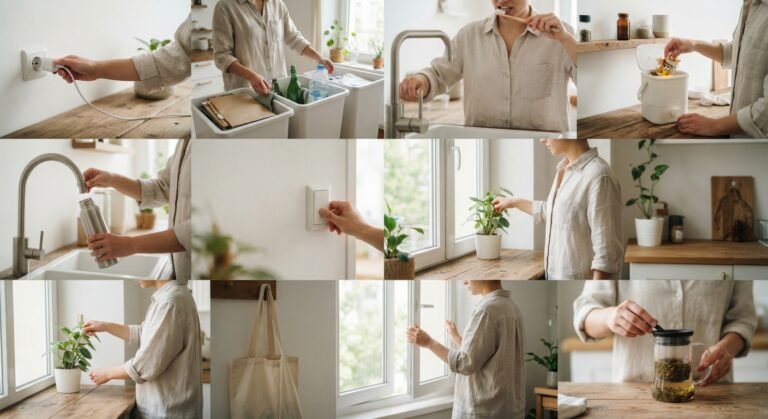
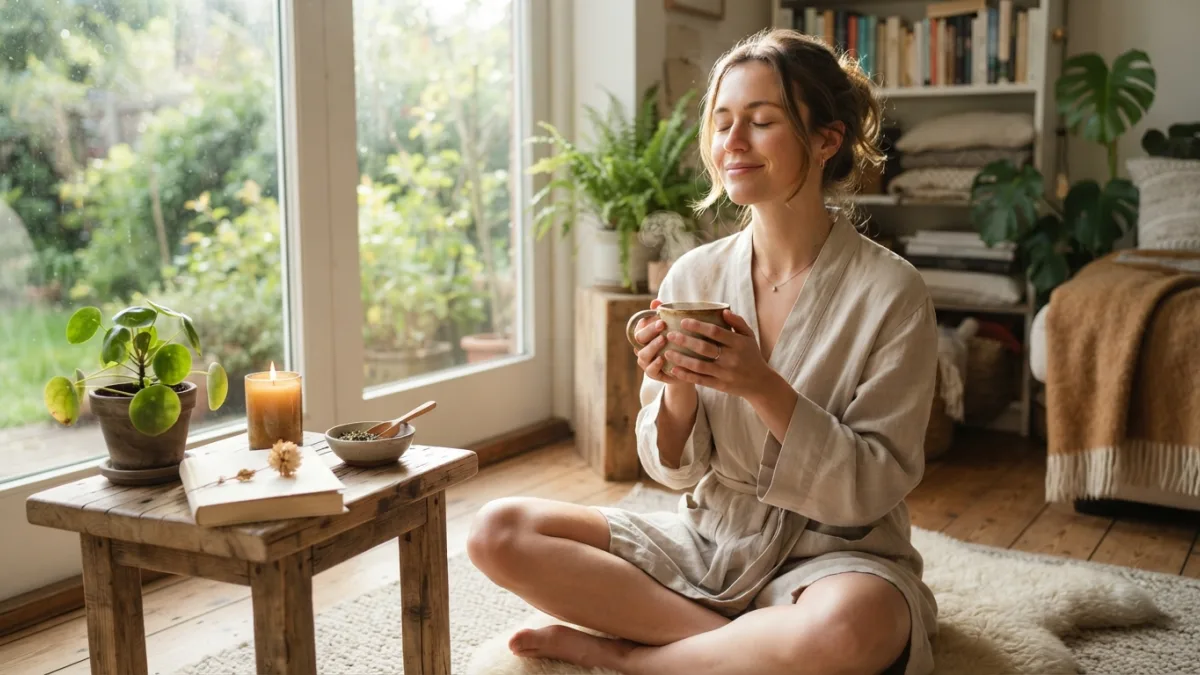
Loose-leaf tea in a reusable infuser skips the plastic that hides inside many tea bags, and it usually tastes better. Chamomile, peppermint, lemon balm, rooibos — pick two or three you genuinely enjoy and keep them where you can see them. If you have a windowsill, grow mint or lemon balm yourself; both are nearly impossible to kill and give you fresh leaves for months. The act of boiling water, steeping, and waiting is the point. That three-minute pause is a ritual in itself. Compost the used leaves, and you’ve closed the loop. Small, repeatable, and cheap — exactly what a sustainable wellness routine should be.
6. Move and Stretch Without Buying New Gear
Gentle movement calms the nervous system better than scrolling ever will, and it needs almost nothing. Ten minutes of stretching on a towel works. If you want a mat, buy one made from natural rubber or cork, or buy secondhand — used yoga mats and blocks turn up constantly on resale sites. Follow a free video, or just move the way your body asks you to. Wear what you already own; there’s no dress code in your living room. Many people find these sustainable self care rituals easier to keep than a gym membership, precisely because there’s no commute, no fee, and no equipment to maintain. Consistency beats intensity every single time.
7. Take Your Rest Outside — Even Just to the Balcony
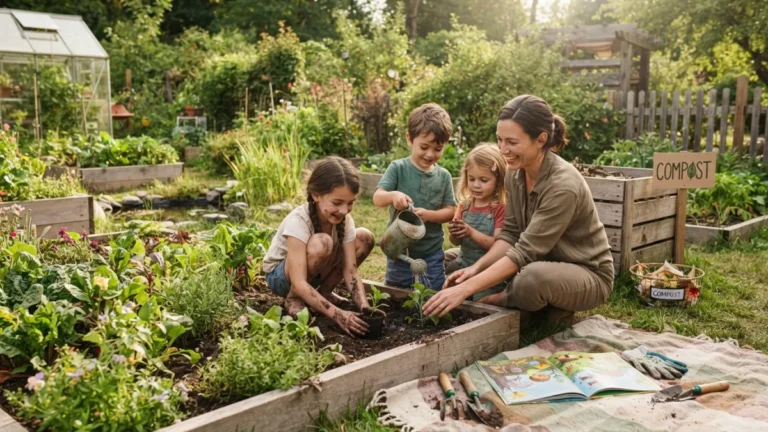
Time in green space is one of the most reliable low-cost mood boosters available, and you don’t need a forest. A balcony, a back step, a park bench two streets away — all of it counts. Sit without your phone for ten minutes and notice what you hear. The practice, sometimes called forest bathing or nature therapy, is simply attention without an agenda. Tend a few pots, water your plants slowly, or drink your morning coffee outdoors. Zero packaging, zero cost, zero waste. It’s the most effortless entry point into eco-friendly self-care, and it works in almost any climate if you dress for it.
Comparing Your Options: DIY, Refill, or Solid Products
Not every swap suits every household. If you’re short on time, DIY isn’t realistic; if you’re short on cash, refill stations may be out of reach. Here’s an honest comparison to help you choose where to start, rather than trying to change everything at once. You might also find our article on 10 Sustainable Habits That Take Less Than 5 Minutes helpful here.
| Approach | Best for | Typical cost | Effort level | Waste reduction |
|---|---|---|---|---|
| DIY from pantry ingredients | Face masks, bath soaks, scrubs | Very low | Medium — make fresh each time | Highest |
| Refill shops and refill pouches | Body wash, lotion, cleaning products | Medium | Low — occasional trip or delivery | High |
| Solid bars (shampoo, soap, conditioner) | Everyday showering, travel | Low to medium | Very low | High |
| Conventional bottled products | Specific medical or skin needs | Varies | None | Lowest |
How to Make These Rituals Actually Stick
Pick one. That’s the whole strategy. New habits fail when we try to overhaul everything on a Sunday night and then feel defeated by Wednesday. Attach your chosen ritual to something you already do — tea after dinner, stretching before bed, a candle when you close the laptop. Keep the tools visible, because hidden things get forgotten. Give it two weeks before you judge whether it’s working. Once one habit runs on autopilot, add another. Building sustainable self care rituals this way takes longer, but the routine survives busy weeks, travel, and bad moods. A sustainable wellness routine you keep for years beats a perfect one you abandon in March.
Watch Out for Greenwashing
The wellness industry noticed the word “sustainable” and printed it on everything. Be skeptical of products wrapped in three layers of packaging that call themselves natural, or brands that use leafy green labels without saying anything specific. Real claims are measurable: recycled content percentages, refill options, third-party certifications, clear ingredient lists. Vague claims are marketing. And remember that the greenest product is often the one you don’t buy — your existing towel, your current moisturizer, the mug already in your cupboard. Genuine sustainable self care rituals rarely require a shopping trip. If an article, an ad, or an influencer tells you relaxation starts with a purchase, treat that as a red flag, not a recommendation.
A Calmer Routine, a Lighter Footprint
None of this has to be dramatic. A warm bath with salts from a paper bag, a phone left in another room, ten minutes of stretching, a mug of mint tea you grew on the windowsill — these are ordinary things, and that’s their strength. Sustainable self care rituals work because they’re repeatable, not because they’re impressive. Start with the one that sounds most appealing tonight, not the one that sounds most virtuous. Over a few months, those small choices reshape your evenings and quietly shrink your household waste. Rest shouldn’t cost the earth, and once you’ve felt how good the simple version feels, the expensive version stops looking like an upgrade.
Frequently Asked Questions
What exactly counts as a sustainable self-care ritual?
Any relaxing habit that creates little or no waste and doesn’t rely on constant new purchases. That includes low-waste bathing, DIY face masks, herbal tea breaks, screen-free wind-downs, gentle movement, and time outdoors. The test is simple: could you repeat it weekly for a year without filling a bin or emptying your wallet? If yes, it qualifies. For a related walkthrough, check out Low-Waste Commuting: Walking, Cycling, Public Transport, and Carpooling Tips.
Are natural bath products really better for the environment?
Often, but not automatically. Loose salts, oats, and oils bought in bulk or paper packaging generate far less plastic waste than bath bombs in shrink wrap. Still, “natural” isn’t a regulated term, so check packaging and ingredient lists rather than trusting the word alone. Buying less overall matters more than any single product swap.
Is zero waste beauty expensive to start?
The upfront cost can be higher — a safety razor or set of cloth pads costs more than a pack of disposables. But these items last years, so the cost per use drops sharply. Start with one swap when a product runs out, rather than replacing everything at once. That approach spreads the cost and avoids wasting what you already own.
How long should a relaxation ritual last to be effective?
Shorter than most people assume. Five to ten focused minutes is enough to shift your mood, especially if it happens at the same time each day. Consistency matters more than length. A nightly ten-minute wind-down usually does more for your stress levels than a two-hour session once a month.
Can I build a sustainable wellness routine in a small apartment?
Absolutely. Most low waste relaxation ideas need very little space — a shower, a kettle, a patch of floor, a window. Solid bars take up less room than bottles, a few herbs grow happily on a sill, and a balcony or nearby park covers the outdoor element. Small homes are arguably easier, because clutter shows up faster and keeps you honest.