Zero-Waste Moving Day: Packing, Unpacking, and Decluttering Without Trash Bags
The average American move generates enough cardboard, bubble wrap, and packing tape to fill a small dumpster, and most of it ends up in a landfill within days. A zero-waste moving day flips that script entirely, swapping disposable packing materials for reusable ones and turning the chaos of relocation into an opportunity to simplify your life. It sounds like a lot of extra effort, but once you see how much money and stress it saves, the trash-free approach starts to feel like common sense rather than a sacrifice.
Why Ditching Trash Bags Actually Makes Moving Easier
People assume that skipping plastic bags and foam peanuts will slow them down, but the opposite tends to happen. When you plan your packing around reusable containers instead of grabbing whatever disposable material is closest, you’re forced to think ahead, which naturally makes the whole process more organized. You know exactly what’s in each bin because you’ve labeled it clearly, rather than digging through a mountain of identical black bags to find your phone charger. This shift also cuts costs since you’re not constantly buying new boxes, tape, and bubble wrap for a one-time use. Many of the supplies you already own, like blankets, duffel bags, and laundry baskets, can carry just as much weight as anything from a moving supply store. If you want to dig deeper, our guide on Zero-Waste Morning Routine: 12 Everyday Swaps Before 9 a.m. covers this in more detail.
Start With Sustainable Decluttering Before You Pack a Single Box
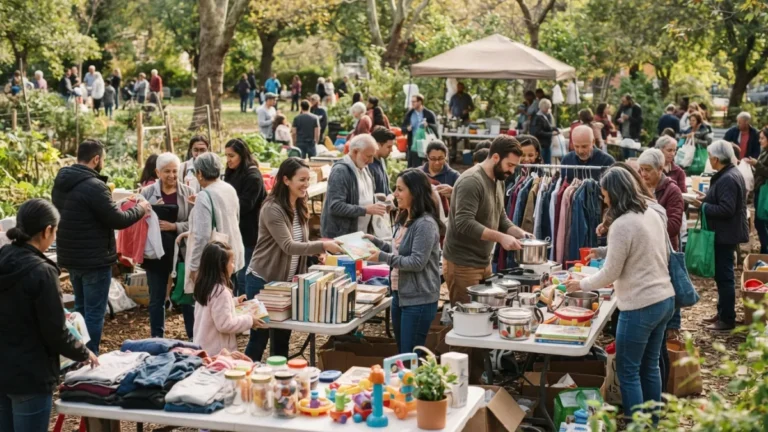
The best way to have less waste on moving day is to have less stuff to move in the first place. Sustainable decluttering means going through your belongings weeks in advance and being honest about what you’ll actually use again. Instead of tossing unwanted items into a bin destined for the curb, sort everything into categories that keep materials in circulation. This step alone can cut your load by a third or more, which means fewer boxes, less tape, and a lighter bill if you’re hiring movers by weight or volume. It also gives you time to find good homes for things rather than making rushed decisions the night before the truck arrives.
Where to Send Your Unwanted Items
- Local donation centers or thrift stores for clothing, kitchenware, and furniture in decent condition
- Buy Nothing groups or neighborhood Facebook groups for items too worn for donation but still functional
- Freecycle or Craigslist free sections for bulky furniture you can’t transport anyway
- Textile recycling bins for clothing and linens that are too damaged to donate
- Electronics recycling drop-offs for old cables, chargers, and devices
Reusable Moving Boxes Beat Cardboard Every Time
Cardboard boxes seem like the obvious choice because they’re everywhere, but they’re also one of the biggest sources of moving-day waste. Reusable moving boxes, whether rented from a company or borrowed from friends who’ve moved recently, hold up better under weight and don’t collapse if they get slightly damp. Companies in many cities now rent sturdy plastic crates that get delivered to your door and picked up after you’ve unpacked, which means you never have to deal with breaking down and disposing of a pile of cardboard. If renting isn’t available where you live, ask local grocery stores or liquor shops for their used boxes, since these are often sturdier than standard moving boxes and would otherwise be thrown away or recycled anyway.
Plastic-Free Packing Supplies That Actually Protect Your Stuff
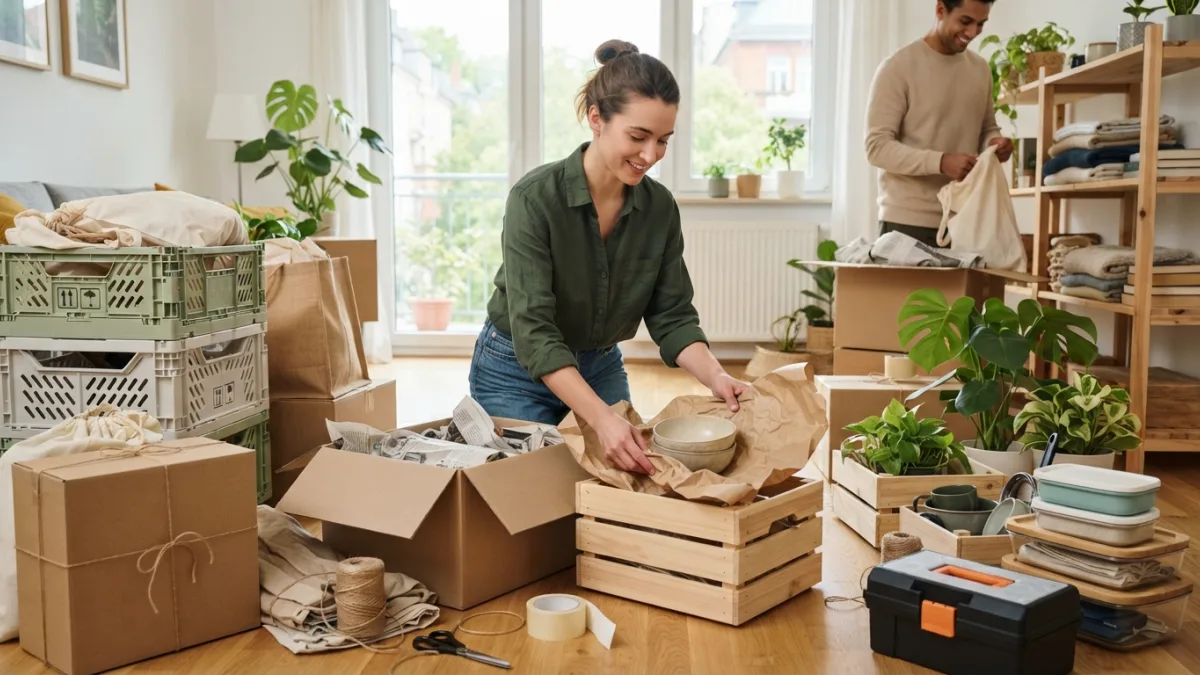
Bubble wrap and packing peanuts feel like the only options for protecting fragile items, but plastic-free packing supplies work just as well and often perform better. Towels, dish cloths, and bed linens can wrap dishes and glassware with more cushioning than a thin layer of plastic ever provided. Socks make surprisingly good padding for stemware and small breakables, and you were packing the socks anyway. For larger fragile items, blankets and pillows you already own can line boxes and absorb shock during transport. If you need extra padding, look for packing paper made from recycled newsprint instead of glossy new paper, since it breaks down easily afterward and doesn’t leave ink residue on your belongings the way old newspaper sometimes does. This connects closely with another common issue — see 10 Things I Wish I Knew Before Going Zero-Waste for more on that.
Simple Swaps for Common Packing Materials
| Traditional Material | Zero-Waste Alternative |
|---|---|
| Bubble wrap | Towels, blankets, or clothing |
| Packing peanuts | Crumpled recycled paper or shredded cardboard |
| Plastic tape | Paper tape or rope for tying boxes shut |
| Cardboard boxes | Rented plastic crates or borrowed boxes |
| Plastic garbage bags for clothes | Suitcases, duffel bags, or laundry baskets |
Labeling Without Sticky Plastic Tags
Most people reach for adhesive labels or plastic tags to mark boxes, but a simple marker works just as well directly on cardboard or on a piece of masking tape for reusable crates. Color-coding by room with a washable marker saves you from buying single-use label sheets, and it’s actually faster since you’re not peeling backing paper off dozens of stickers. If you’re using rented plastic bins, a dry-erase marker lets you write directly on the surface and wipe it clean before returning them, so nothing gets thrown away at all. This small habit shift is one of the easiest eco-friendly moving tips to adopt because it costs nothing extra and takes no additional time.
Packing the Kitchen Without a Mountain of Plastic
The kitchen is usually the messiest part of any move, full of breakables and awkward shapes that seem to demand plastic wrap. Instead, nest pots and pans inside one another with a dish towel between each layer, and use your existing tea towels to wrap plates standing on their edges like records in a crate. Glasses and mugs can go inside each other with a sock or cloth napkin as a buffer. For pantry items, transfer loose foods into reusable containers you already own rather than moving half-full bags that might spill, and consider using this move as a chance to actually use up spices and canned goods you’ve been ignoring for months.
Unpacking With the Same Waste-Free Mindset
The unpacking phase is where a lot of people undo all their good work, tearing into boxes and creating a fresh pile of trash from tape, labels, and protective paper. Slow down and unpack deliberately: save any paper padding for your next move or offer it to a neighbor who’s packing up soon. Break down cardboard boxes flat and either return them to the store you got them from, list them online for someone else’s move, or recycle them properly if they’re too worn to reuse. If you rented crates, this is simply the point where you schedule a pickup, and the entire container goes back into circulation for the next family instead of sitting in a landfill for decades. You might also find our article on Zero-Waste Swaps for Beginners: Where to Start helpful here.
Handling the Stuff That Doesn’t Fit Your New Space
Even with careful planning, you’ll likely discover after unpacking that some items just don’t work in your new home. Resist the urge to toss these straight into a trash bag out of exhaustion. Set aside a designated area for a follow-up donation run once you’ve settled in, and give yourself a two-week deadline so it doesn’t turn into a permanent pile in the garage. This approach fits naturally into a broader zero waste lifestyle, where the goal isn’t perfection but a consistent habit of pausing before throwing something away. A little patience here prevents the classic mistake of creating a new source of household waste right when you’re trying to start fresh.
Small Habits That Make the Biggest Difference
None of this requires you to be a zero-waste expert or to feel guilty if a piece of tape or a plastic label slips into your process. The goal of a zero-waste moving day is progress, not perfection, and even cutting your disposable packing materials by half is a meaningful improvement over a conventional move. Start by tackling one room with reusable supplies, see how it feels, and expand from there. Most people find that once they experience how much smoother an organized, reusable-material move feels compared to the usual scramble for boxes and tape, they never want to go back to the old way of doing things.
Frequently Asked Questions
What is a zero-waste moving day?
It’s an approach to relocating that avoids single-use packing materials like plastic bubble wrap, foam peanuts, and disposable boxes, relying instead on reusable containers, household items, and recyclable materials to reduce landfill waste. For a related walkthrough, check out How to Build a Zero-Waste Kitchen.
Where can I find reusable moving boxes near me?
Search for plastic crate rental services in your city, check local moving supply companies, or ask community groups online since many people are happy to lend or give away sturdy boxes from their own recent moves.
How do I protect fragile items without bubble wrap?
Wrap dishes, glasses, and decorative items in towels, clothing, or bed linens you’re already packing. Socks work well for small breakables, and folded blankets protect larger fragile pieces like mirrors or picture frames.
What should I do with leftover packing materials after unpacking?
Save reusable paper padding and boxes for your next move, offer them to friends or neighbors, list them online for free, or recycle any cardboard that’s too worn to use again.
Is a zero-waste move more expensive than a regular one?
Usually it’s cheaper, since you’re relying on items you already own and borrowed or rented reusable supplies instead of repeatedly buying new boxes, tape, and packing materials for a single use.