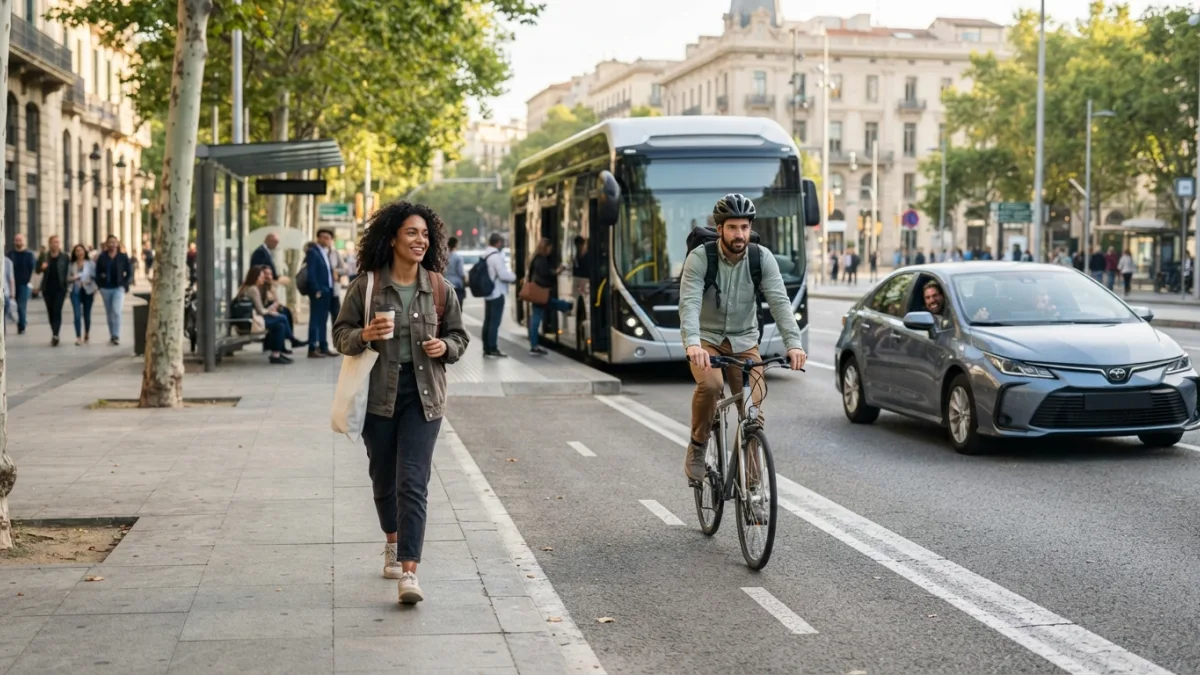
Low-Waste Commuting: Walking, Cycling, Public Transport, and Carpooling Tips
Every morning, millions of people climb into cars alone, sit in traffic, and burn fuel just to get to work or school. Low-waste commuting offers a simple alternative: rethinking how we move through our daily routines so we produce less pollution, use fewer resources, and save money along the way. It doesn’t require a complete lifestyle overhaul. Small shifts, like walking part of your route, sharing a ride, or hopping on a bus instead of driving solo, add up to real change over time. This article breaks down practical, realistic ways to cut waste from your commute, whether you live in a busy city or a quieter suburb with fewer transit options.
Why Low-Waste Commuting Matters
Transportation is one of the biggest contributors to carbon emissions worldwide, and a huge chunk of that comes from everyday commuting. Single-occupancy car trips waste fuel, clog roads, and produce exhaust that affects air quality in cities. Beyond emissions, there’s also the waste tied to car maintenance, tire wear, and the sheer amount of space dedicated to parking lots and highways. Choosing eco-friendly commuting methods doesn’t just help the planet; it often improves your own life too. People who walk or cycle regularly tend to build more physical activity into their day without needing a separate gym session. Those who use public transport often report lower stress since they can read, listen to podcasts, or simply relax instead of gripping a steering wheel in traffic. The benefits stack up quickly once you start looking for them. If you want to dig deeper, our guide on Sustainable Living on a Budget: Where to Start covers this in more detail.
Walking Your Way to a Smaller Footprint
Walking is the simplest form of sustainable transportation there is. It requires no fuel, no fare, and no equipment beyond a decent pair of shoes. For commutes under two miles, walking can genuinely compete with driving once you factor in parking time and traffic lights. It’s also the lowest-impact option available, producing zero emissions and zero waste. If your workplace sits too far to walk the entire distance, consider walking to a transit stop instead of driving there, which still cuts down on car use for part of your trip. Walking regularly also has a way of making a city feel more familiar, since you notice shortcuts, local shops, and green spaces that you’d otherwise miss from behind a windshield.
Practical Walking and Cycling Tips
Getting started with walking or cycling doesn’t take much planning, but a few adjustments make the transition smoother. Here are some walking and cycling tips worth trying:
- Map out a route in advance, prioritizing sidewalks, bike lanes, and well-lit paths.
- Keep a spare set of work clothes at the office if you tend to sweat during your commute.
- Invest in a reliable, comfortable bag or pannier so you’re not straining your back.
- Check the weather forecast and dress in layers, since conditions can shift during your journey.
- Start with short trial runs on weekends to get a feel for timing before committing on a workday.
Cycling as a Low-Waste Commuting Option
Cycling extends the range that walking simply can’t cover, letting you comfortably commute five, ten, or even fifteen miles depending on your fitness level and route. A bike produces no emissions, takes up a fraction of the space a car does, and skips the fuel costs entirely. Many cities have expanded bike lane networks in recent years, making cycling safer and more practical than it used to be. If you’re worried about arriving sweaty or exhausted, an electric bike can help flatten hills and reduce the physical strain while still keeping your commute mostly waste-free. Basic maintenance matters too: keeping tires properly inflated, oiling the chain, and checking brakes regularly will extend your bike’s life and reduce the need to replace parts frequently, which itself cuts down on waste. This connects closely with another common issue — see How to Build a Capsule Wardrobe (Sustainable Style Guide) for more on that.
Public Transport Benefits Worth Considering
Buses, trains, subways, and trams move far more people per mile of fuel used than individual cars do, which is one of the clearest public transport benefits for anyone trying to shrink their environmental footprint. A full bus can take dozens of cars off the road at once, easing congestion and reducing collective emissions. Beyond the environmental angle, public transport frees up time you’d otherwise spend focused on driving. You can catch up on emails, read a book, or simply rest. Costs also tend to be lower than owning and maintaining a car, especially once you factor in gas, insurance, and parking fees. Many transit systems now offer real-time tracking apps, making it easier to plan your trip and avoid long waits at the stop.
Making Public Transit Work for You
If you’re new to relying on buses or trains, a bit of preparation goes a long way toward making the switch stick.
- Download your local transit app to track arrival times and avoid unnecessary waiting.
- Buy a monthly or weekly pass if you commute daily, since it usually works out cheaper than single fares.
- Plan a backup route in case of delays or service changes.
- Bring a reusable water bottle and snacks to avoid single-use packaging during longer rides.
- Pair transit with walking or a folding bike for the last stretch to your destination.
Carpooling Tips for Sharing the Ride
When walking, cycling, or public transport aren’t realistic for your route, carpooling is a solid middle ground. Sharing a car with coworkers or neighbors cuts fuel use and emissions per person while keeping the flexibility of a private vehicle. It also reduces wear on multiple cars, which means less waste from tires, oil changes, and eventual part replacements. Setting up a carpool takes a bit of coordination, but many workplaces and community boards now have apps or groups specifically for matching commuters heading the same direction. A few carpooling tips can make the arrangement smoother: agree on a fair system for splitting gas costs, set clear pickup times and locations, and have a backup plan for days when someone is out sick or working late. Rotating who drives each week also spreads out the mileage and cost evenly among everyone involved. You might also find our article on 10 Sustainable Habits That Take Less Than 5 Minutes helpful here.
Comparing Your Low-Waste Commuting Options
Not every option suits every commute, so it helps to see how they stack up side by side. The table below offers a general comparison based on typical distance, cost, and environmental impact, though your personal situation will vary depending on where you live and what’s available nearby.
| Method | Best Distance | Typical Cost | Environmental Impact |
|---|---|---|---|
| Walking | Under 2 miles | Free | Lowest |
| Cycling | 2 to 15 miles | Low (bike upkeep) | Very low |
| Public Transport | Any distance, city-dependent | Moderate (fares or passes) | Low per passenger |
| Carpooling | Any distance | Shared fuel and maintenance | Moderate, lower than solo driving |
Combining Methods for a Truly Low-Waste Commute
You don’t have to pick just one option and stick with it forever. Many people find that mixing methods works better than relying on a single choice every single day. You might cycle to a train station, ride transit into the city center, then walk the last few blocks to your office. This kind of multimodal approach, sometimes called trip chaining, spreads out the benefits and gives you flexibility when weather or schedule changes make one option less appealing. It also builds in backup plans naturally, so a canceled bus doesn’t ruin your whole day. Keeping a folding bike, a transit pass, and a pair of walking shoes on hand gives you the tools to adapt on the fly, which is often the most realistic version of sustainable transportation for people with unpredictable routines.
Overcoming Common Obstacles
Switching commuting habits isn’t always smooth, and it helps to plan for the hurdles ahead of time. Bad weather, unsafe walking or cycling infrastructure, and limited transit coverage in some areas are all real barriers people face. Rather than giving up entirely, look for partial solutions: rideshare with a coworker on days when biking feels risky, or use transit for the bulk of your trip and only drive during storms. Employers increasingly support these efforts too, offering bike storage, shower facilities, or subsidized transit passes, so it’s worth asking your workplace what’s available. Building a routine takes a few weeks of trial and error, but most people find that once the new habit sticks, going back to solo driving every day feels unnecessary and, frankly, less enjoyable than the alternatives they’ve discovered. For a related walkthrough, check out 30-Day Eco Challenge for Beginners: Tiny Daily Habits That Add Up.
Low-waste commuting isn’t about perfection or eliminating your car overnight. It’s about making small, consistent choices that reduce your environmental footprint while often improving your health, finances, and daily mood. Whether that means walking two mornings a week, joining a carpool with neighbors, or finally trying the bus route you’ve been curious about, every shift counts. Start small, notice what works for your schedule and your city’s infrastructure, and build from there. Over months and years, these small adjustments turn into habits that benefit both you and the community around you.
Frequently Asked Questions
What exactly does low-waste commuting mean?
It refers to choosing transportation methods that reduce emissions, fuel use, and unnecessary waste compared to driving alone in a car. This includes walking, cycling, public transport, and carpooling.
Is cycling really safe for daily commuting?
In cities with dedicated bike lanes, cycling is generally safe and increasingly common. Wearing a helmet, using lights at night, and following traffic rules significantly reduce risk.
How do I find carpool partners near me?
Check with your employer for internal carpool boards, ask neighbors or coworkers directly, or use dedicated ridesharing apps designed for regular commutes rather than one-off rides.
Does public transport really save money compared to driving?
In most cases, yes. Once you factor in fuel, insurance, parking, and maintenance costs, a monthly transit pass usually costs significantly less than daily solo driving.
What if my area doesn’t have good public transport or bike infrastructure?
Start with what’s available, even partial solutions like carpooling or walking to a nearby transit stop help. Advocating for better local infrastructure can also drive long-term change.