10 Things I Wish I Knew Before Going Zero-Waste
The first time I saw a photo of someone’s entire year of trash fitting inside a single mason jar, I felt a strange mix of inspiration and panic. I wanted that. I wanted to be the person who could hold up a tiny jar and say, “This is all I threw away in twelve months.” So I dove in headfirst, tossed my paper towels, bought a bunch of glass jars, and assumed the rest would fall into place. It didn’t. Zero-waste living turned out to be messier, slower, and far more human than the tidy Instagram grids suggested. Nobody warned me about the awkward grocery store conversations, the guilt spirals, or the sheer amount of research it takes just to buy shampoo. If you’re thinking about starting this journey, or you’re a few months in and wondering why it feels harder than promised, this list is for you. These are the ten things I genuinely wish someone had told me before I started.
1. Zero-Waste Doesn’t Mean Zero Trash
This might be the biggest misconception out there, and it tripped me up for months. The name itself is misleading because true zero waste, as in producing absolutely nothing that ends up in a landfill, is nearly impossible for most people living in modern society. Packaging sneaks in through medications, unexpected purchases, and gifts from well-meaning relatives who have no idea what you’re trying to do. Once I let go of the idea of a perfect, empty trash can, the whole lifestyle became more sustainable for me mentally. The goal shifted from perfection to reduction. Instead of measuring success by an empty bin, I started measuring it by how much less I was buying and throwing away compared to my old habits. That mental shift matters more than any product swap. If you go in expecting perfection, you’ll burn out within a few weeks. Go in expecting progress instead, and you’ll actually stick with it long enough to see real change in your habits and your household waste.
2. Your First Attempts Will Probably Fail
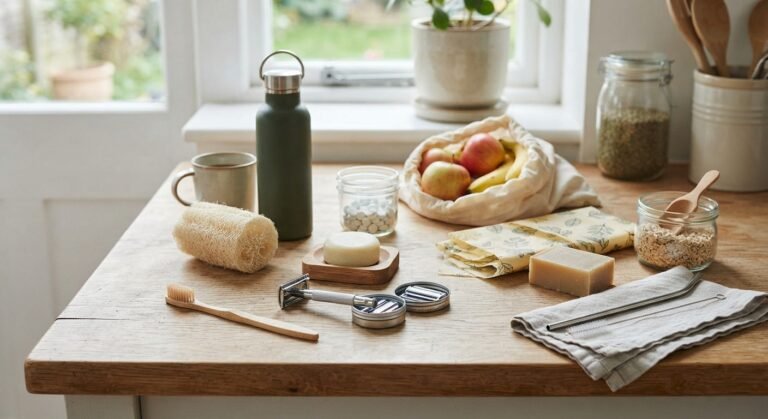
I bought a beautiful bamboo toothbrush, a set of reusable cotton rounds, and a stainless steel razor all in the same week, feeling very proud of myself. Within a month, the toothbrush handle had started to mold near the bristles, I kept forgetting the cotton rounds at home, and I nicked myself twice with the razor because I hadn’t figured out the right angle. None of this is talked about enough in the glossy zero-waste world. Most swaps take a few tries to get right, and some products simply won’t work for your lifestyle no matter how many times you attempt them. I eventually gave up on the safety razor entirely and found a different low-waste option that suited me better. The lesson here is patience. Expect trial and error, expect to waste a little money on things that don’t work out, and don’t treat those failures as proof that this lifestyle isn’t for you. Every zero-waste veteran has a drawer somewhere full of abandoned products they thought would change their life.
3. Bulk Stores Aren’t Everywhere, and That’s Okay
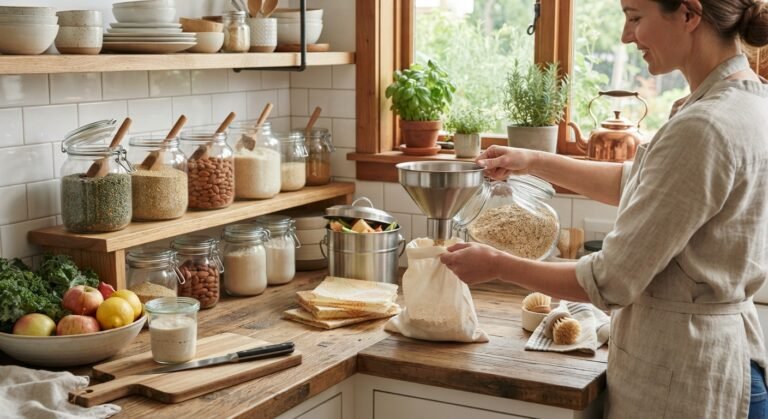
A huge chunk of zero-waste content assumes you have access to a bulk store where you can fill your own jars with grains, spices, and cleaning products. I live nowhere near one of those idyllic refill shops, and for a long time I felt like I was failing before I even started. The truth is that plenty of people build low-waste lives without ever stepping into a bulk store. You can still buy items in the largest package size available, choose glass or metal packaging over plastic when possible, and shop at farmers markets where produce often comes without any packaging at all. Some regular grocery stores now offer small bulk sections even if they aren’t fully zero-waste shops. Don’t let the lack of a perfect refill store stop you from starting. Work with what’s actually available in your area rather than comparing your options to someone else’s city. Waste reduction looks different depending on where you live, and that’s a completely normal part of the process.
4. Composting Changes Everything
Nobody told me how much composting would transform my relationship with trash until I actually started doing it. Food scraps make up a shockingly large portion of household waste, and once you start composting, your regular trash bag suddenly weighs almost nothing. I started with a small countertop bin and a local drop-off program before eventually getting a backyard compost setup. The difference was immediate. Vegetable peels, coffee grounds, eggshells, and even paper towels stopped going into landfill bags and started turning into something useful instead. If you don’t have outdoor space, look into community composting programs, local farms that accept scraps, or services that pick up compost for a small fee. Some cities even offer curbside composting alongside regular trash and recycling pickup. Composting alone won’t make you zero-waste, but it will make a bigger dent in your household waste than almost any other single change you can make. I wish I had started this on day one instead of treating it as an advanced-level step.
5. It Costs More Money Upfront
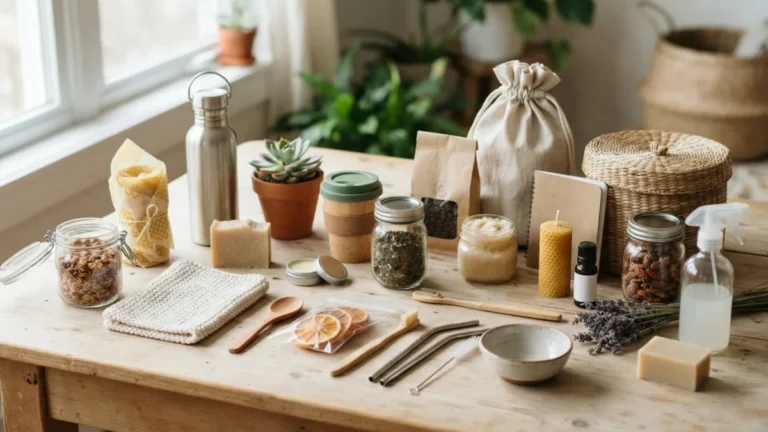
Nobody likes talking about this part, but it needs to be said clearly. Reusable products, from stainless steel containers to cloth napkins to durable water bottles, cost more upfront than their disposable counterparts. I spent a genuinely uncomfortable amount of money in my first two months trying to build a “zero-waste kit” all at once. Looking back, that approach was completely unnecessary and honestly a little wasteful in itself. The smarter path is to replace things gradually as they wear out rather than throwing away perfectly good plastic items just to replace them with new reusable ones. Buy one reusable water bottle, use it until it breaks, then think about the next swap. Secondhand shops and online marketplaces are also great places to find gently used jars, containers, and cloth items for a fraction of the retail price. Over time, the money you save by not buying disposable products adds up and can offset the initial investment. Just don’t expect instant savings, because the upfront costs are real and worth planning for.
6. Social Situations Get Awkward
I did not anticipate how much explaining I would have to do at restaurants, coffee shops, and family gatherings. Asking a barista to fill your own cup, declining a plastic straw, or bringing your own container to a restaurant for leftovers can draw confused looks or even pushback from staff who aren’t used to the request. Some friends and family members took it personally, as if my choices were a silent judgment of theirs, even though that was never my intention. I learned to pick my battles and to explain my reasoning calmly rather than defensively. Over time, most people either got used to it or stopped noticing entirely. A few friends even started copying some of my habits once they saw how simple certain swaps could be. If you’re naturally shy about drawing attention to yourself, this part of the journey might be one of the harder adjustments. Give yourself permission to skip a swap in situations that feel too socially uncomfortable. Consistency matters more than perfection, and one missed opportunity won’t undo your progress.
7. Not All “Eco-Friendly” Products Are Actually Better
The market caught onto the zero-waste trend fast, and now shelves are full of products slapped with green leaves and words like “natural” or “eco” that don’t actually mean much. I bought several products early on simply because the packaging looked sustainable, only to research them later and find out they weren’t much better than what I was already using. This is sometimes called greenwashing, and it’s incredibly common in the beauty and cleaning product industries. Learning to read ingredient lists and check for actual certifications, rather than trusting marketing language, saved me both money and disappointment. A simple bar of soap in paper packaging is often more genuinely low-waste than a plastic bottle labeled “eco-conscious.” Before buying something new because it claims to be sustainable, it helps to ask whether you actually need it at all. The most zero-waste product is usually the one you already own or the one you don’t buy in the first place.
Quick Comparison: Common Swaps and What to Expect
| Traditional Item | Zero-Waste Swap | What to Expect |
|---|---|---|
| Plastic water bottles | Stainless steel or glass bottle | Easy swap, pays for itself quickly |
| Plastic wrap | Beeswax wrap or containers | Works well for some foods, not all |
| Disposable razor | Safety razor | Learning curve, not for everyone |
| Paper towels | Cloth rags | Requires extra laundry loads |
| Bottled shampoo | Shampoo bar | Takes time for hair to adjust |
8. Community Makes a Huge Difference
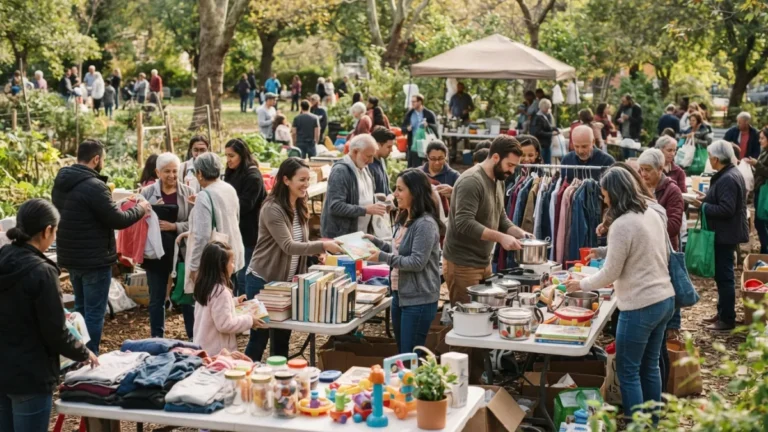
I underestimated how isolating this lifestyle could feel until I found other people doing the same thing. Online forums, local sustainability groups, and even neighborhood swap events gave me a place to ask questions without feeling judged for not having it all figured out. Someone in my area started a local “buy nothing” group where people give away extra jars, containers, and household items instead of throwing them out, and it became one of my favorite resources. Having a community also means having people to share tips with about which local stores offer refills or which products actually work. Trying to figure everything out alone through trial and error is exhausting and slows down your progress. Even one or two friends who share your goals can make the whole process feel lighter and less like a personal sacrifice. If you can’t find a local group, plenty of active online communities are happy to answer beginner questions. Don’t isolate yourself in this journey; it’s genuinely easier and more enjoyable with support.
9. Reducing Matters More Than Recycling
For years I treated recycling as my main environmental effort, tossing things in the blue bin and feeling good about it. Going zero-waste taught me that recycling is actually one of the least effective tools compared to simply buying and consuming less in the first place. Recycling systems vary wildly by city, contamination rates are high, and a lot of what gets thrown into recycling bins ends up in landfills anyway due to sorting issues or market demand for recycled materials. The often-repeated phrase “reduce, reuse, recycle” puts recycling last for a reason: it should be the last resort, not the first solution. Once I started focusing on not buying things I didn’t need, choosing products with less packaging, and reusing what I already owned, my actual environmental impact felt more meaningful than it ever did while I was just recycling diligently. This doesn’t mean recycling is pointless, but it shouldn’t be your main strategy. Shifting my mindset toward reducing consumption first changed how I shopped far more than any recycling habit ever did.
10. Progress Looks Different for Everyone
The final thing I wish I’d known is that comparing your zero-waste journey to someone else’s is a fast track to frustration. Some people have access to bulk stores, flexible budgets, and plenty of free time to research every purchase. Others are juggling jobs, kids, tight budgets, and limited local resources, which means their version of low-waste living will look completely different, and that’s perfectly fine. I spent too much time early on comparing my overflowing recycling bin to someone else’s tiny jar of trash, feeling like I wasn’t doing enough. Real progress might mean composting for the first time, switching to cloth napkins, or simply buying fewer things overall rather than achieving some Instagram-worthy milestone. Give yourself credit for the small wins, because they add up over months and years far more than one perfect week ever could. This lifestyle is a long-term shift in habits, not a competition, and the sooner you accept that, the more sustainable your own effort will become.
Frequently Asked Questions
Is zero-waste living actually achievable for the average person?
Complete zero waste is extremely difficult, but significant waste reduction is realistic for most households. Focus on progress rather than perfection, and small consistent changes will add up over time.
How much money should I expect to spend when starting out?
Costs vary widely depending on what you already own. It’s smarter to replace items gradually as they wear out rather than buying a full set of reusable products all at once, which reduces both cost and waste.
What’s the single best first step for a beginner?
Starting a compost system, even a small countertop bin, tends to make the biggest immediate difference in how much trash your household produces each week.
Do I need a bulk store to go zero-waste?
No. While bulk stores are helpful, plenty of low-waste habits like buying larger package sizes, shopping farmers markets, and reusing containers work fine without one.
How do I handle friends or family who don’t understand my choices?
Explain your reasoning calmly without pushing your habits onto others, and pick your battles in social situations. Most people adjust over time or simply stop noticing.